

European SPA towns known for their healing waters
Let’s get one thing out of the way: longevity travel isn’t about detox teas or expensive wellness retreats. Not here, anyway.
For a quieter kind of traveler, longevity travel simply means choosing places that make you feel better while you’re there. Places that support your sleep, your habits, and your nervous system instead of overwhelming it. The kind of trips where you come home feeling rested rather than needing another vacation.
And you don’t need to fly halfway around the world to find that. Across Europe, there are towns and landscapes where wellness isn’t a trend at all. It’s just part of everyday life, like in the food, the walking culture, the mountain air, the thermal waters, and the slower rhythm of the place.
This is our take on longevity travel in Europe: spa towns, mountain retreats, and quiet destinations where the environment itself encourages you to slow down. The kinds of places where a few days can leave you feeling noticeably better than when you arrived.
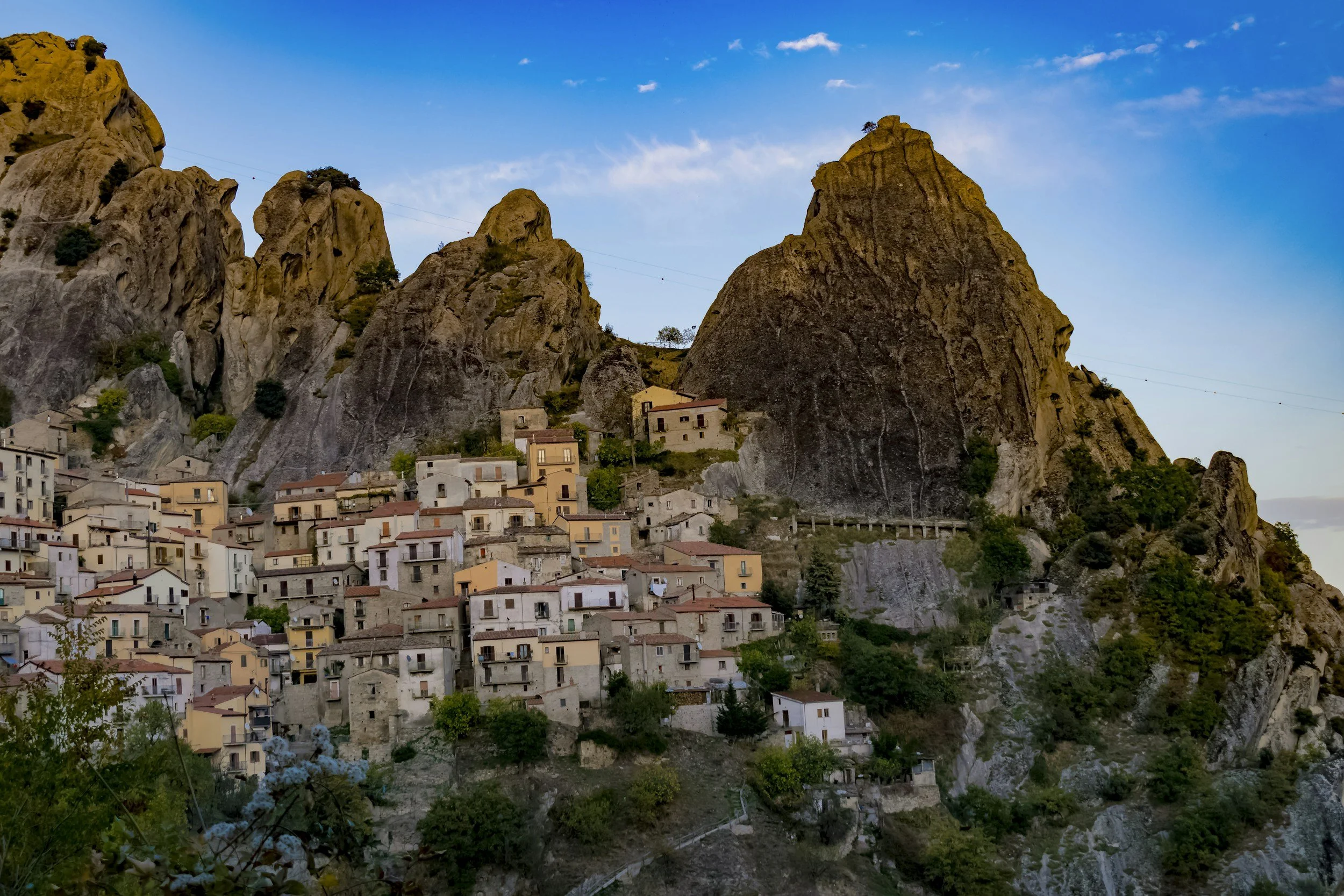
Pietrapertosa at sunset
What is Longevity Travel (for the rest of us)?
Longevity travel might sound like the latest wellness trend, but the idea behind it is actually quite simple. More and more travelers in their 30s and 40s are starting to choose destinations that support their health rather than exhaust them.
Not in a dramatic way. Just in small, practical ways.
Clean mountain air instead of city noise. Long walks instead of packed itineraries. Proper meals made with local ingredients. A full night of sleep because the place you’re staying is genuinely quiet.
In many parts of Europe, this kind of travel has existed for centuries. Historic spa towns, mountain villages, and coastal retreats were built around the idea that fresh air, mineral water, good food, and slower routines could help people feel better.
So if you’ve ever chosen a destination because it felt calm, restorative, or simply good for you, you might already be practicing longevity travel without calling it that.
1. Saalfelden-Leogang, Austria: The Alpine Reset
This lesser-known Austrian region is chef’s kiss if you want the health benefits of alpine living without the glam crowd of Kitzbühel or Salzburg. Think forest bathing, long valley walks, glacial lakes, mineral-rich air, and that crisp kind of silence that makes your brain stop buzzing.
Saalfelden-Leogang is a place that doesn’t ask much of you, so except to slow down, breathe, and actually listen to what your body needs. The high-altitude hiking trails aren’t just beautiful; they naturally improve your oxygen intake and boost circulation, which is perfect if you’ve been stuck behind a screen too long. There are wild rivers running through the valley where locals practice Kneipp hydrotherapy - basically cold water immersion for circulation and nervous system reset, and you don’t need to book a spa day to try it. Just find a quiet stream, roll up your pants, and step in.
Food-wise, you’ll find mountain huts and family-run inns serving slow-cooked stews, dumplings, and freshly baked rye bread made from old recipes: comforting, grounding meals that actually leave you feeling good. And there’s a real emphasis here on proper rest. Locals take sleep seriously, and many places offer sleep-support programs that go beyond blackout curtains: think natural materials, essential oils, and pine-scented rooms that feel relaxing.
Where to stay:
Naturhotel Forsthofgut is the place to check in if you want to feel like you’ve stepped into a wellness cocoon without it being pretentious. The hotel is surrounded by forest and wildflower meadows, and everything (from the food to the design) feels calm, earthy, and well thought-out. Their lakeside sauna area is whisper-quiet (no loud spa music), and the rooms are designed using stone pine, which has been shown to support better sleep and lower heart rate. They even offer sleep-focused packages if that’s what you’re craving.
How to get there:
The easiest way is to fly into Salzburg and rent a car - it’s just about an hour’s drive through mountain roads and scenic villages. If you prefer to take it slow, the ÖBB trains are surprisingly easy to navigate and beautifully scenic. There’s a direct connection from Salzburg or Vienna to Leogang, and the train journey itself feels like part of the trip: wide windows, alpine views, and a noticeable shift in pace as you leave the city behind.
2. Pietrapertosa, Basilicata, Italy: For a Mountain State of Mind
Italy’s wellness story isn’t just Tuscany and Amalfi Coast retreats. In Basilicata (one of Italy’s least visited regions) you’ll find villages like Pietrapertosa that feel like time forgot them (in the best way).
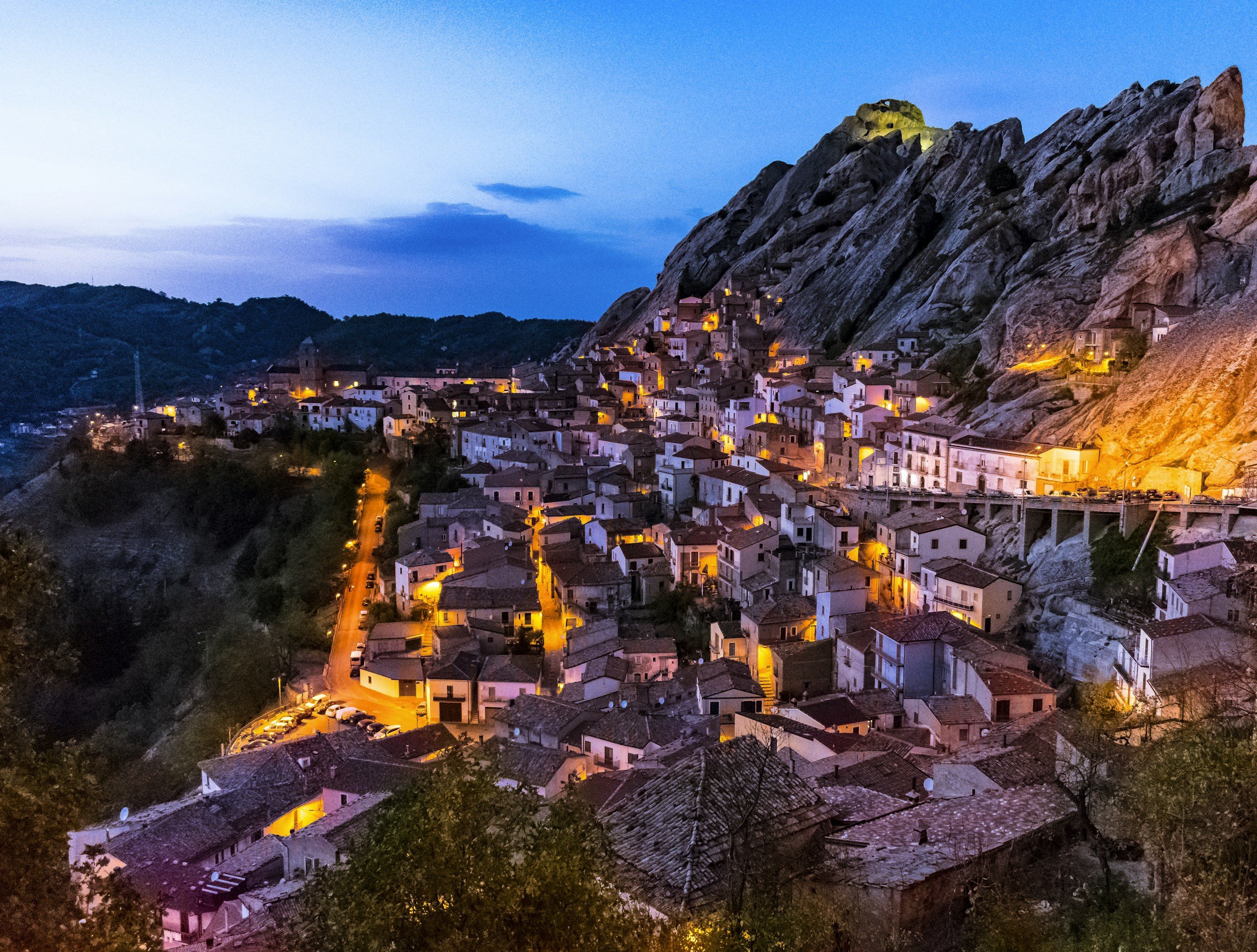
The village sits high in the Lucanian Dolomites, perched on rocky cliffs that immediately make everything feel quieter and slower. Even getting there is part of the reset - winding roads, no rush, and no distractions. There's no nightlife scene, no long list of “must-sees.” Instead, the rhythm of the day gently shifts with the sun. You wake up when the light hits the mountains, and you wind down when the village streets fall silent after dinner. It’s the kind of place where your phone stays in your pocket and your mind finally stops spinning.
Healthy but not boring
The food here is honest and nourishing - exactly what your body craves after too many rushed meals. You’ll find dishes made with chickpeas, farro, wild greens, and herbs locals have been cooking with for generations. Everything is slow-cooked, simply seasoned, and deeply satisfying. It’s not trying to be trendy; it just makes sense: both for the setting and for how you’ll feel after eating.
Where to stay
Le Costellazioni Albergo Diffuso is one of those places that makes you feel like you’re part of the village, not just visiting it. The rooms are scattered across historic stone homes throughout town, which means you’re walking quiet lanes between breakfast and bed, not elevator halls. The interiors are cozy, minimal, and built for rest. It’s perfect if you want something immersive but still comfortable - somewhere that respects the pace of the place.
How to get there
You’ll want to fly into either Bari or Naples, depending on your route, then rent a car—there’s really no way around it. The drive into the mountains takes you along twisting roads with breathtaking views, and the change in scenery is immediate. It’s not the kind of journey you rush through, but one you’ll remember (especially as the village appears, seemingly carved into the cliffs). Make sure to download your map offline: it’s part of the charm, but signal can be spotty up here.
3. Kihnu Island, Estonia: Where Simplicity is Sacred
This Baltic island is often missed, but it holds the kind of peace that feels like therapy. Kihnu is run primarily by women, with centuries-old cultural traditions still alive. People here walk, bike, swim in the sea, and live without rush.
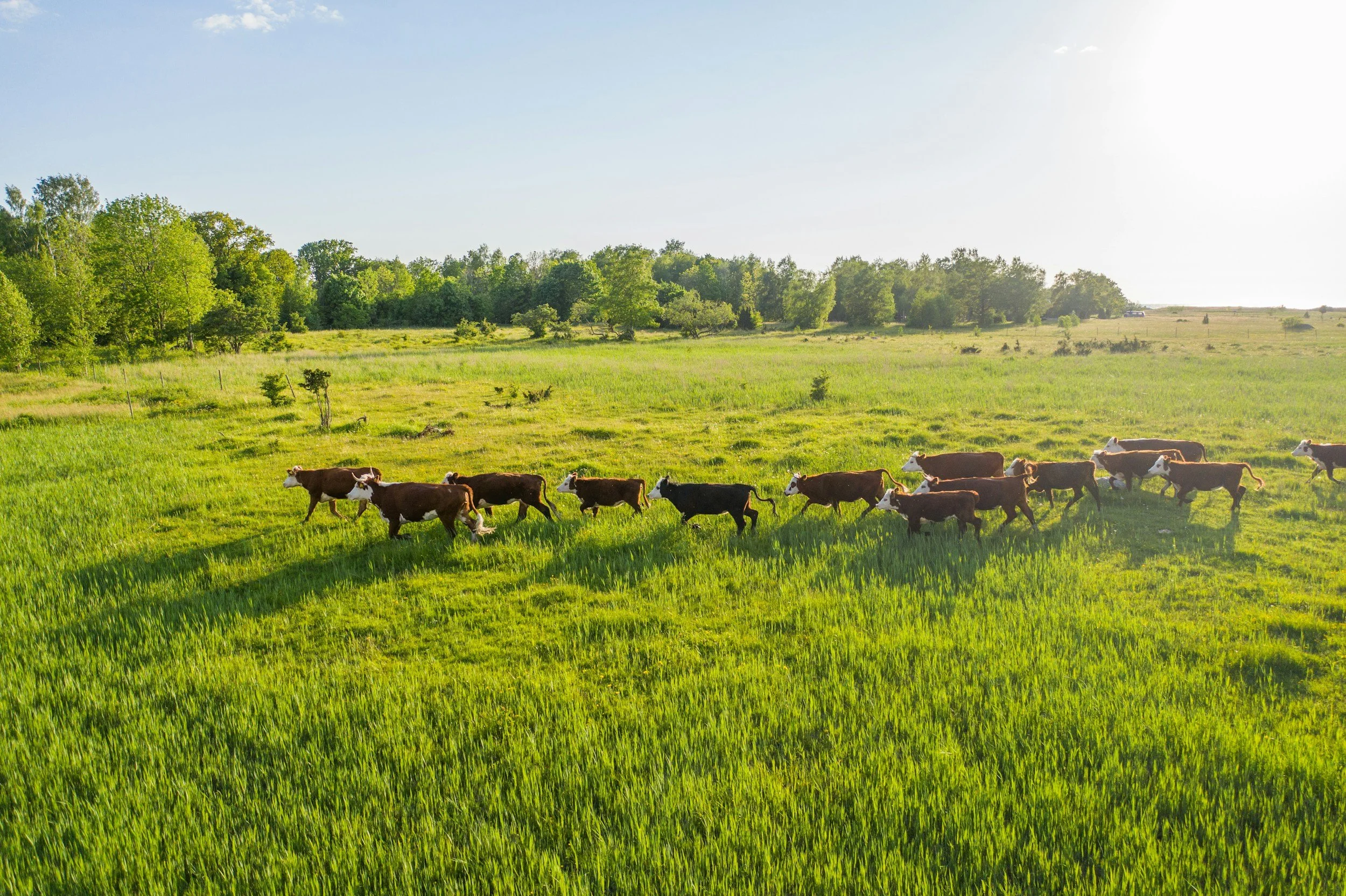
Kihnu isn’t the kind of place you go to check off a list. It’s where you go when you want your nervous system to finally relax. There’s no noise here: just pine forests, the sound of the sea, and stillness that feels rare these days. People move slower. Meals are simple and grounding: fish caught that morning, potatoes pulled from the soil next door, and berry pies made from what’s growing nearby. Everything is real, seasonal, and stripped back in the best way.
You won’t find cars honking or screens flashing. Instead, you’ll bike past meadows and wooden houses, maybe spotting locals in traditional striped skirts still worn proudly by the island’s older women. Life here isn’t curated - it just is.
Where to stay
Kihnu Kaluriküla is a former fishing village turned guesthouse, and it keeps the laid-back, lived-in feeling. Think seaside cabins that feel a little like summer camp - if summer camp had cozy blankets, sea views, and a slower rhythm that made you forget about emails. It’s the kind of place where you’ll sleep hard and wake up with salty air in your lungs.
How to get there
You can fly into Pärnu, Estonia, or fly into Tallinn and take a scenic train ride to Pärnu. From there, hop on a ferry to Kihnu: it’s a short crossing but sets the tone for what’s ahead. Once on the island, biking is the main way to get around.
4. Thermal Villages in Slovenia’s Prekmurje Region: Hot Springs and Hammocks
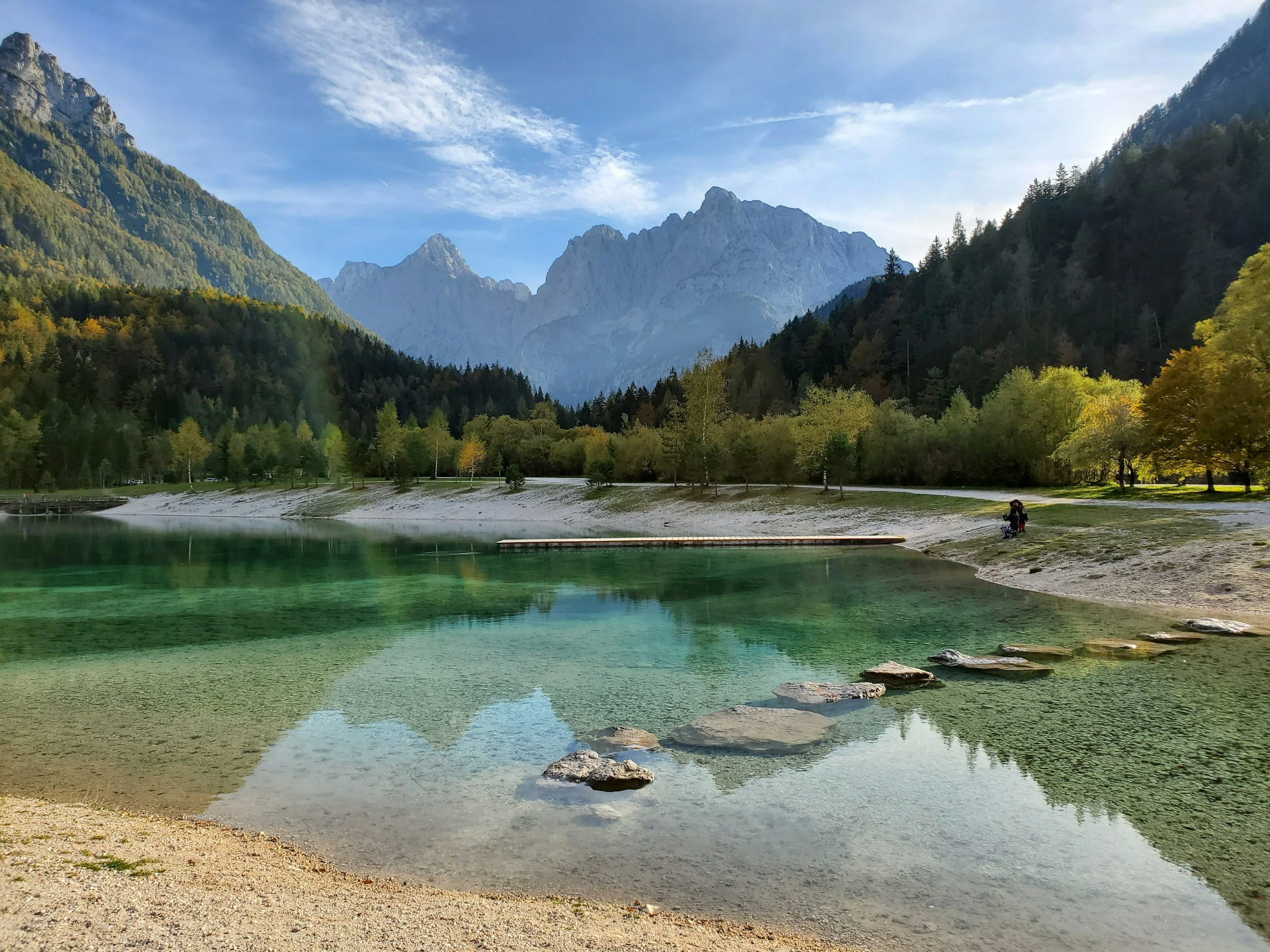
If your idea of self-care doesn’t involve luxury robes and Instagrammable champagne tubs, this part of Slovenia might be exactly what you need. Tucked into the northeast, near the Hungarian border, Prekmurje is all open skies, quiet roads, and steam rising from mineral-rich pools where locals (especially grandmas), come to soak and chat. It’s not flashy, and that’s what makes it perfect.
Instead of wellness influencers, you’ll see regular people doing what they’ve done for generations: slowing down, soaking up the benefits of the waters, and leaving their aches behind. The pace here is gentle. You’ll pass sunflower fields, stork nests perched on chimneys, and long, flat landscapes that instantly quiet your brain. It’s the kind of slow that doesn’t need to be branded.
The thermal waters here are packed with minerals that support joint mobility and digestion - but honestly, it’s more than that. Just being here helps. It’s the slowness, the routine of soaking in warm water and letting your body relax. Add in some local pumpkin seed oil on a salad, homemade bread, and quiet afternoons with nowhere to be - and your whole system starts to settle.
Where to stay
Sončni Gaj Apartments in Moravske Toplice is a great base. It’s family-run, low-key, and only a short walk from the Terme 3000 thermal pools. Most apartments have kitchenettes, which is perfect if you like shopping at the local farmers' market and cooking for yourself. Nothing fancy, just clean, calm, and thoughtful: exactly what this region is about.
How to get there
Fly into Ljubljana, then take a train or rent a car and head east to Murska Sobota. From there, it’s just a quick drive to the thermal towns of Moravske Toplice, Lendava, or Banovci. The journey itself is peaceful, with flat green fields and very little traffic. If you’re already in Austria or Hungary, it’s an easy cross-border trip too.
5 Charming Villages in Southern France you’ve (probably) Never Heard Of
These villages offer more than just pretty views: they’re full of cozy cafés where you can sit and watch life go by, boutique shops with unique finds, and local experiences that give you a true taste of what everyday life in France is really like.
5. Agios Germanos, Prespa Lakes, Northern Greece: Quiet, Wild, and Soul-Filling
Prespa is not the Greece you’ve seen on postcards. Tucked in the mountains near the Albanian and North Macedonian borders, it’s one of Europe’s most untouched ecosystems. You’ll find floating reed islands, 300+ species of birds, and villages where life is still beautifully analog.
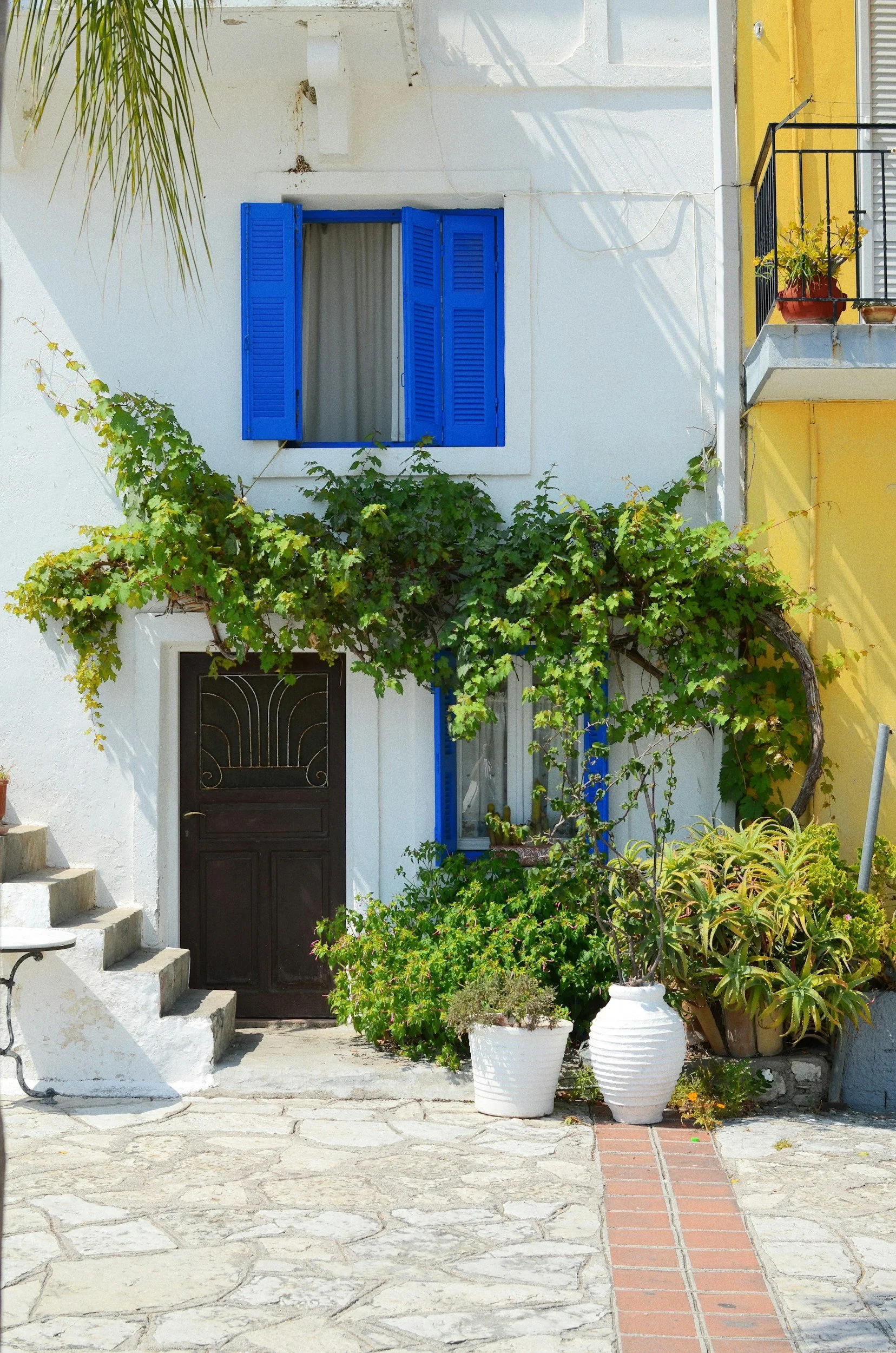
Tucked away near the Prespa Lakes in northern Greece, Agios Germanos is the kind of place that resets you without even trying. The air is clean and crisp, the lakes are still, and the pace of life is so slow it almost forces you to breathe deeper. No rush, just space to move through the day however you feel.
What makes this little village special isn’t just the landscape (though it's beautiful) - it’s the feeling of being far from everything noisy. You’ll spend your time walking easy trails through the forest, swimming in fresh mountain lakes, and eating food that comes straight from the land or water nearby. People here grow what they eat, and cook like they’ve got all day.
Everything here supports slowing down… long walks, clean air, natural swimming spots, and food that’s as real as it gets. There’s calmness in Agios Germanos that naturally promotes deep rest. You won’t find big spas or structured retreats: just nature, home-cooked meals, and space to move at your own pace.
Where to stay
Stay at Agios Germanos Guesthouse, a family-run stone guesthouse that feels instantly grounding. The rooms are simple but cozy, and you’ll be welcomed like family. Expect big pots of slow-cooked beans, homemade pies with herbs from the garden, and local lake fish served in a way that feels like comfort food from a slower time.
How to get there
Fly into Thessaloniki, then rent a car - it’s about a 2.5 to 3-hour drive through peaceful countryside and forested hills. The road winds past lakes and small monasteries, and by the time you reach Agios Germanos, it already feels like your nervous system has started to exhale. This is one of those journeys where the getting there is part of the experience.
Why a Quiet Weekend Away Might Be Exactly What You Need
When everything feels like too much (your to-do list, your notifications, the noise of daily life) it’s usually a sign that your body and mind are asking for something different. You don’t need to spend thousands on a fancy wellness retreat to feel better. Sometimes what you really need is something simpler: space to breathe, real rest, time outside, and food that’s made with care. In many parts of Europe, longevity travel has existed for centuries.
It’s easy to ignore burnout until it catches up with you. But taking a quiet weekend away (somewhere without pressure to do or be anything) is one of the most underrated ways to reset. It gives you a chance to catch your breath, eat well, move at your own pace, and actually enjoy your surroundings instead of rushing through them.
This is what longevity travel is about. It’s not about extremes or quick fixes. It’s about small, steady choices that support your nervous system and help you feel well. It’s choosing a calm guesthouse over a packed resort. A slow morning walk instead of a packed itinerary.
Places like the Swiss Jura mountains are a good example of this kind of travel. Forest trails, quiet villages, and long days outdoors make it surprisingly easy to reset there.
So if you’re feeling like you just want to switch off for a while - listen to that. Take the quiet trip. Go somewhere that lets you fully exhale. It doesn’t have to be far or fancy. Just choose somewhere that lets you rest, move gently, and come home feeling like yourself again.