
5 digital detox retreats in Europe for a proper reset
Feeling like your brain is running on notifications and your eyes are glued to a screen? You’re not alone. More travelers are actively looking for digital detox retreats in Europe - places where the signal fades, mornings begin slowly, and nature becomes the main thing on the agenda.
The good news is that you don’t need to disappear into the wilderness to reset. Across Europe there are islands, mountain valleys, and quiet lakes where life naturally moves at a slower pace. Think morning swims in a hidden cove, long walks through forests, or evenings on a terrace where the only sound is the wind moving through the trees.
Best Digital Detox Retreats in Europe
If you're looking for places in Europe where disconnecting feels natural, these destinations stand out:
Menorca, Spain – quiet coves, coastal trails, and rural fincas without Wi-Fi
Faroe Islands – remote North Atlantic landscapes with patchy phone signal
Lake Bohinj, Slovenia – a calm alpine lake inside Triglav National Park
Hidden villages of Lake Como, Italy – small lakeside towns far from tourist crowds
South Tyrolean Dolomites – mountain rifugios and quiet alpine trails
These five destinations are perfect if you want to unplug without giving up comfort. From Mediterranean islands with sleepy coves to Alpine valleys where the nights fall silent, here are some of the best places in Europe to pause, recharge, and give yourself the gift of presence.
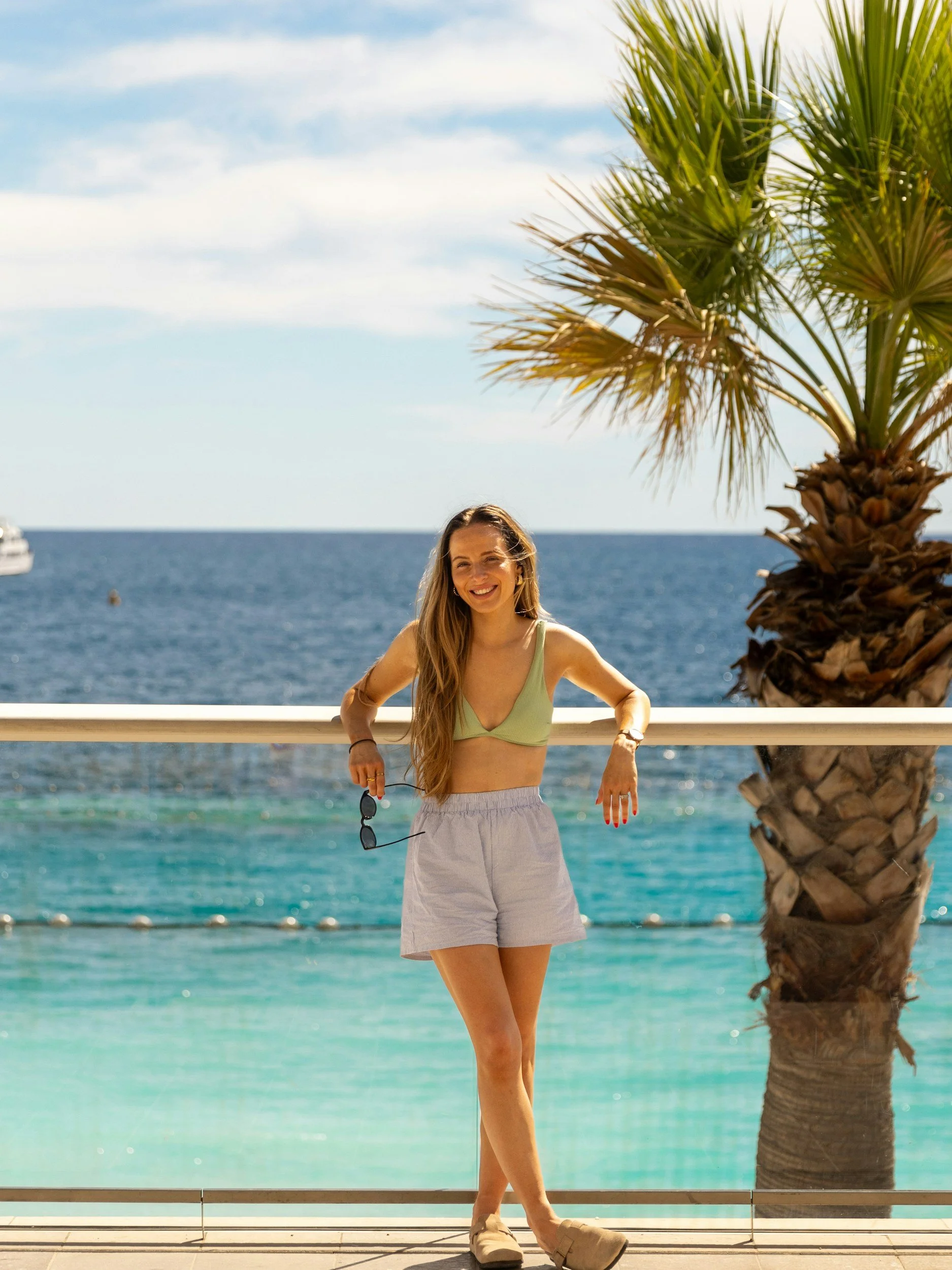
Menorca Digital Detox – A Slower, Quieter Balearic Escape
Let’s be honest… when someone mentions the Balearic Islands, it’s easy to picture loud beach clubs, big hotels, and dance floors going until dawn. But Menorca? Menorca is different. It’s softer and slower. It somehow flies under the radar even though it’s just as beautiful as its flashier neighbors, making it feel like a secret that nobody’s in a rush to share.
Many visitors stay in rural agroturismos in the countryside around Alaior or Es Mercadal, where old farmhouses have been converted into small guest stays surrounded by olive trees and stone walls.
Here, mornings begin with a sleepy swim in a quiet cove, your feet padding across warm sand before the rest of the world stirs. Afternoons unfold slowly, whether you’re following a trail along the coast, stopping for a café con leche at a village terrace, or just losing track of time. Evenings melt into golden light - the kind that drapes the hills and harbor in color and leaves you feeling like you have nowhere else to be and nowhere else you’d rather be.
That’s exactly why Menorca is so good for a proper digital detox. The whole island seems to say, “You can stop now.” The villages are small and friendly, with whitewashed houses and sleepy squares. Many of the beaches take a little effort to reach (which means they’re often empty even in summer) and rural fincas still dot the hillsides, some without Wi‑Fi or TVs at all. Days here move to a different rhythm, one filled with birdsong, a gentle breeze, and the simple luxury of being offline.
What to do here:
Walk a peaceful stretch of the Camí de Cavalls - the ancient trail that winds its way around the island. The path from Cala Mitjana to Cala Trebalúger is a favorite for a reason: it takes you through pine forest before spilling out onto a perfect, quiet cove where the water looks like glass.
The Camí de Cavalls trail runs for 185 kilometers around the entire island, originally used to defend the coastline centuries ago.
Find a shaded terrace in Ciutadella in the late afternoon and order a chilled glass of Menorcan gin. Watch the light shift across the old stone buildings and enjoy the quiet hum of people going about their evening - there’s no stress, so take your time.
And if you can, visit Binibeca Vell first thing in the morning. The narrow, whitewashed lanes feel like a dream before the day‑trippers arrive, so you can wander at your own pace and let the silence settle in.
If Mediterranean slow travel appeals to you, the rugged villages of the Mani Peninsula in southern Greece offer another beautiful place to unplug, where stone tower houses overlook quiet coves and long lunches stretch into the afternoon.
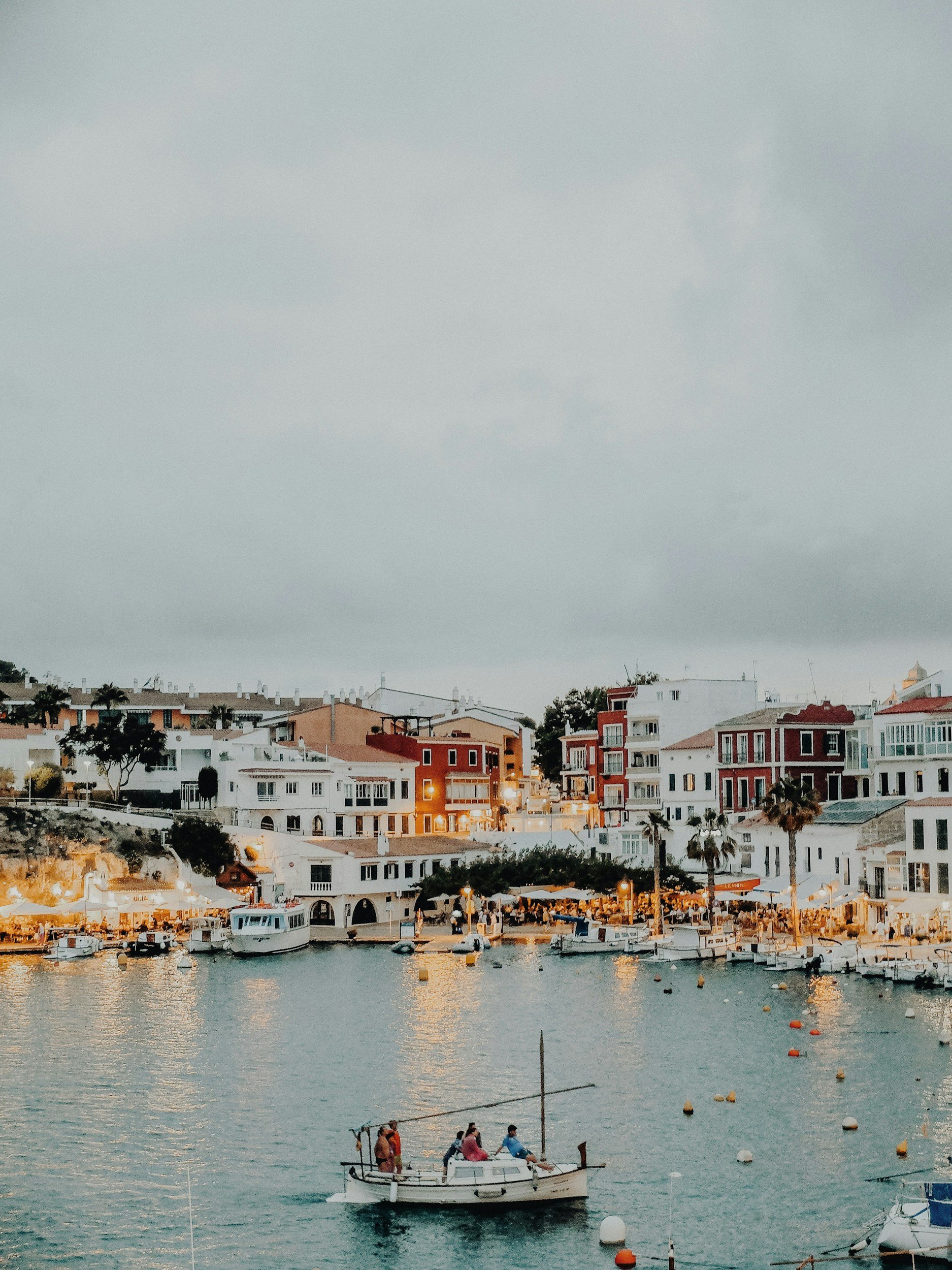
The Faroe Islands – Remote Digital Detox Retreat at the Edge of Europe
If your idea of recharging is standing on windswept cliffs, breathing in salty air, and not seeing a single bar on your phone, the Faroe Islands will feel like a dream.
This remote string of islands between Norway and Iceland doesn’t really care about travel trends or curated experiences. It’s raw and a little wild! All steep green hills, seabirds spiraling overhead, and waterfalls tumbling straight into the ocean. Coming here feels like stepping into a world that’s moved at its own pace for centuries.
And that’s exactly what makes it perfect if you want to travel more mindfully. There’s nowhere to hide from the landscape - it’s all around you, asking you to slow down and just pay attention. Villages like Gjógv or Saksun feel cozy and far away from everything, and many places don’t even have cell service. The guesthouses here are simple, built for warm evenings after a day spent outdoors, and bedtime usually comes early because, honestly, there’s nowhere else you need to be.
A few tips if you go:
Pick a quiet base… Gjógv and Saksun are tiny, but they give you trails straight out of your door and hardly another soul in sight. Gjógv is known for its dramatic natural harbor carved into the cliffs, while Saksun sits beside a tidal lagoon surrounded by steep grass-covered mountains.
Bring waterproof clothes and a good thermos. Some of the best moments come from sitting on a bench with a hot drink, just watching the light shift across the ocean and cliffs.
And whatever you do, don’t overschedule. Pick one hike, one café, one little village to explore - then leave the rest of the day open. Let the weather and your mood decide what happens next. That’s when the Faroes really work their magic.
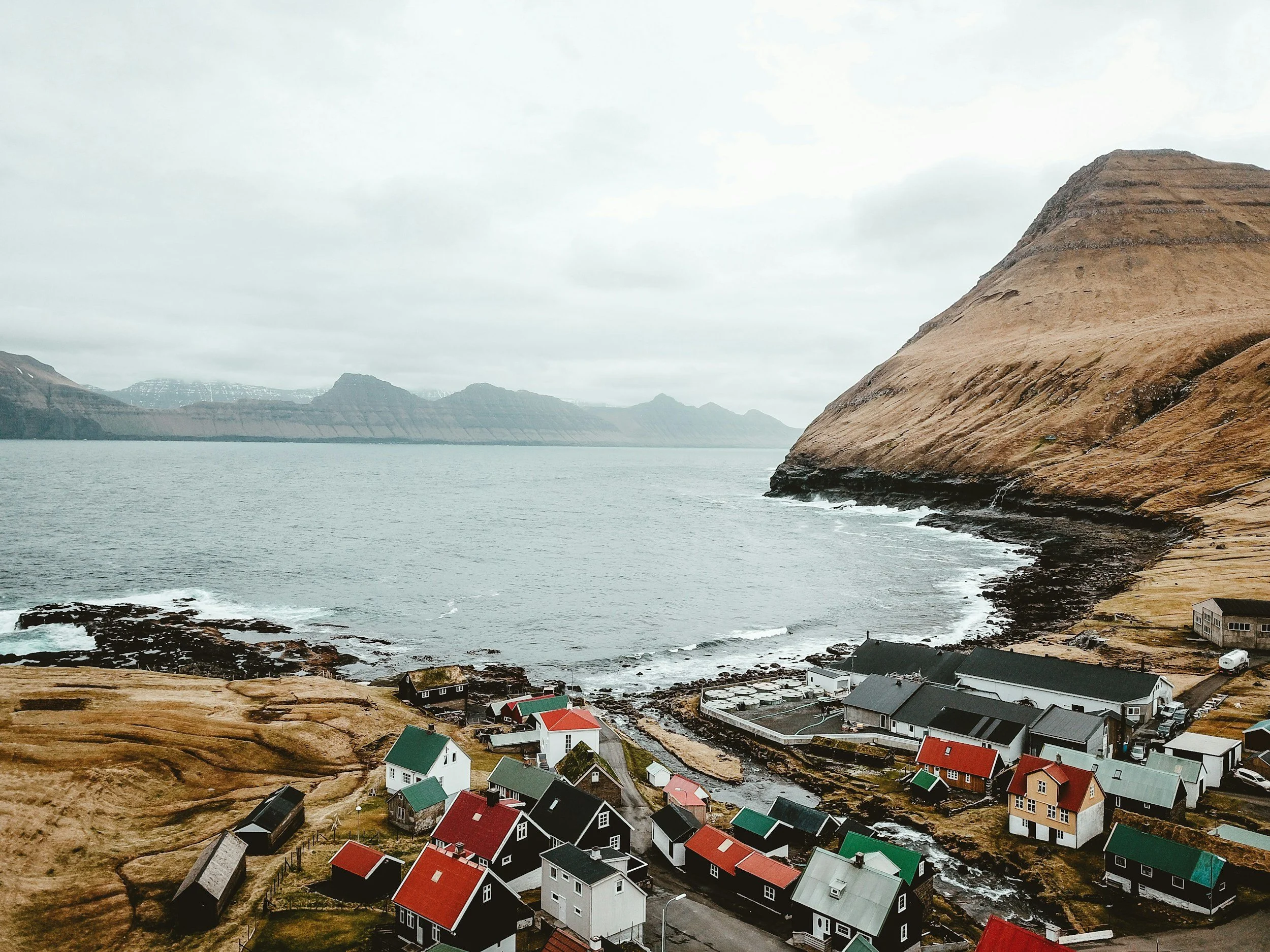
Lake Bohinj, Slovenia – A Screen-Free Alternative to Crowded Lake Bled
Lake Bled might get all the postcards, but Lake Bohinj is the one that you’ll really love from the first moment.
Just half an hour down the road from its famous neighbor, Bohinj feels like you’ve stepped into a different time. It’s tucked into a quiet corner of Triglav National Park, surrounded by wildflower meadows, steep hillsides, and big, moody skies. The lake itself is incredibly clear (cold, deep, and almost glowing on a bright morning) with none of the crowds or noise you’d expect.
At 526 meters above sea level, Lake Bohinj is Slovenia’s largest natural lake and sits entirely within Triglav National Park, the country’s only national park.
Early morning swims from the small beach near Ribčev Laz are one of the quietest moments you can have here.
That’s exactly what makes it such a perfect place to unplug. There are no big hotels, no fleets of tour buses, and hardly any Wi-Fi to tempt you. Instead you’ll find forest paths that lead to little lookouts, wooden cottages tucked into the trees, and long stretches of shore where you can lay your towel down, listen to the water, and forget what time it is.
And if you feel like moving, there are plenty of gentle ways to do it. Hire a kayak and skim across the lake early, before the day warms up - you’ll probably have the whole place to yourself. Or lace up your boots and follow the trail through Mostnica Gorge, stopping every few minutes just because you can.
When you do want a place to stay, look for a guesthouse in Stara Fužina. It’s one of those villages that still runs on its own slow time - you’ll see cows being led back from pasture at dusk and small gardens spilling with vegetables. It’s simple, welcoming, and the kind of place where you can take a deep breath and feel yourself slow right down.
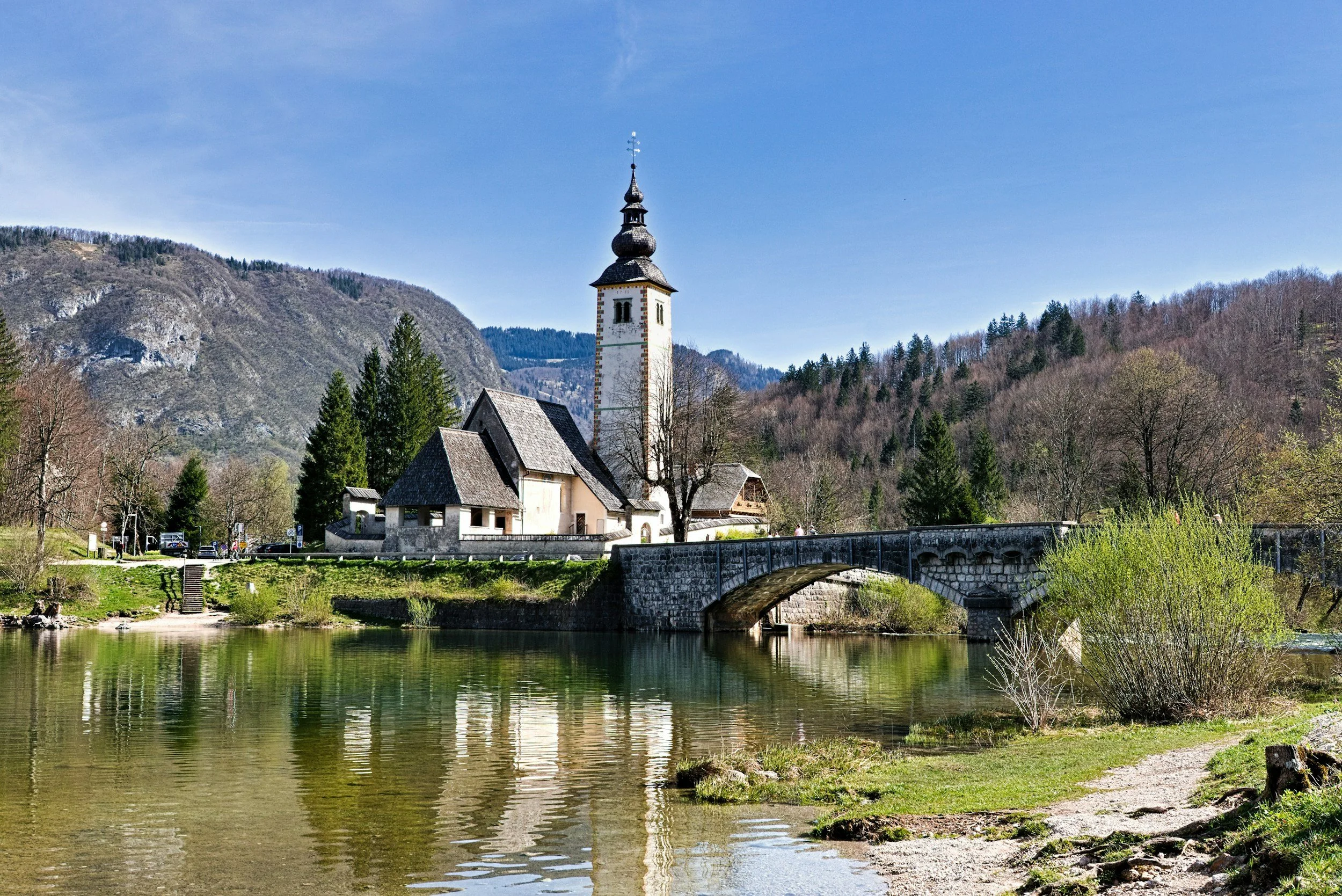
Quiet Villages Around Lake Como for a Digital Detox
Lake Como is hardly a secret. But what most people miss are the tiny, untouched villages tucked into the hillsides just beyond the famous lakeshore.
If you want to see another side of Como, skip Bellagio and Como town altogether. Base yourself in a place like Torno, Nesso, or Rezzonico - little spots where the days move slowly, church bells set the pace, and old men play cards at the water’s edge while swallows loop overhead.
Nesso is especially known for the dramatic Orrido di Nesso waterfall, where a stone bridge overlooks the cascading water.
Rezzonico, further north on the lake’s quieter western shore, feels almost unchanged for centuries.
That’s why it’s so perfect if you’re looking to slow down and switch off. Here, you won’t be dodging crowds or ticking off sights. Instead you’ll sip espresso in a quiet square, wander cobbled alleys with nobody else around, and sleep better than you have in years. It feels like stepping into a version of Italy that still belongs to itself.
And if you do want to stretch your legs, there’s plenty to explore. Follow the Strada Regia, an old mule trail that winds its way between sleepy villages high above the lake. Or jump on the tiny hand-cranked ferry to Ossuccio and visit the medieval church surrounded by olive trees! That’s one of those places that feels like it hasn’t changed in centuries.
At the end of the day, settle into a simple stone house or agriturismo, help pick herbs in the garden if you like, and read by the open window as the lake glimmers in the dark. It’s a slower, gentler kind of Como - one you’ll probably want to come back to.
If you enjoy exploring the lake at a slower pace, you might also like this guide to Italian lake towns you can visit without a car - perfect if you want to wander between small villages, lakeside cafés, and quiet harbors by train and ferry.
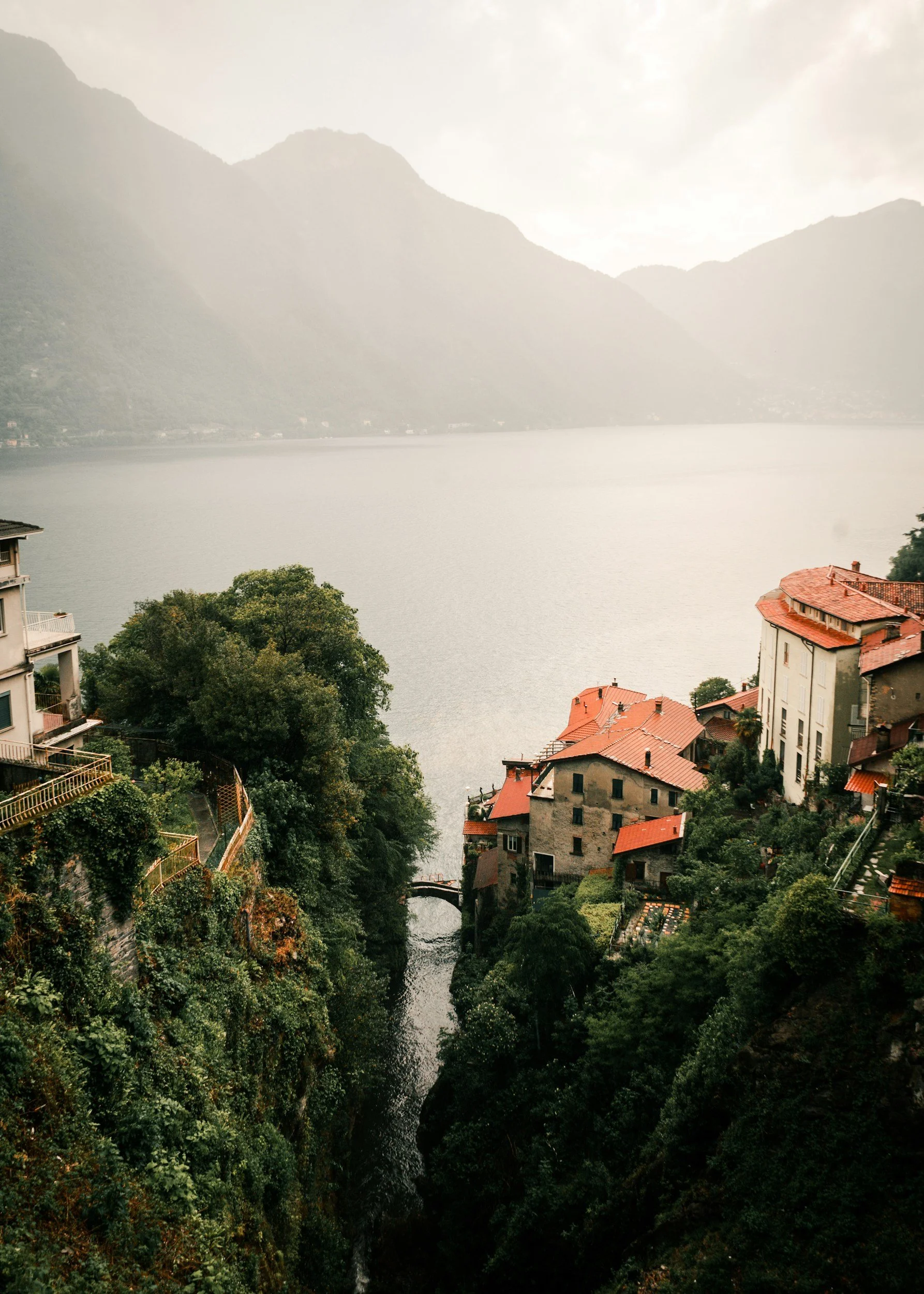
Nesso
South Tyrolean Dolomites – Alpine Trails and Off-Grid Mountain Stays
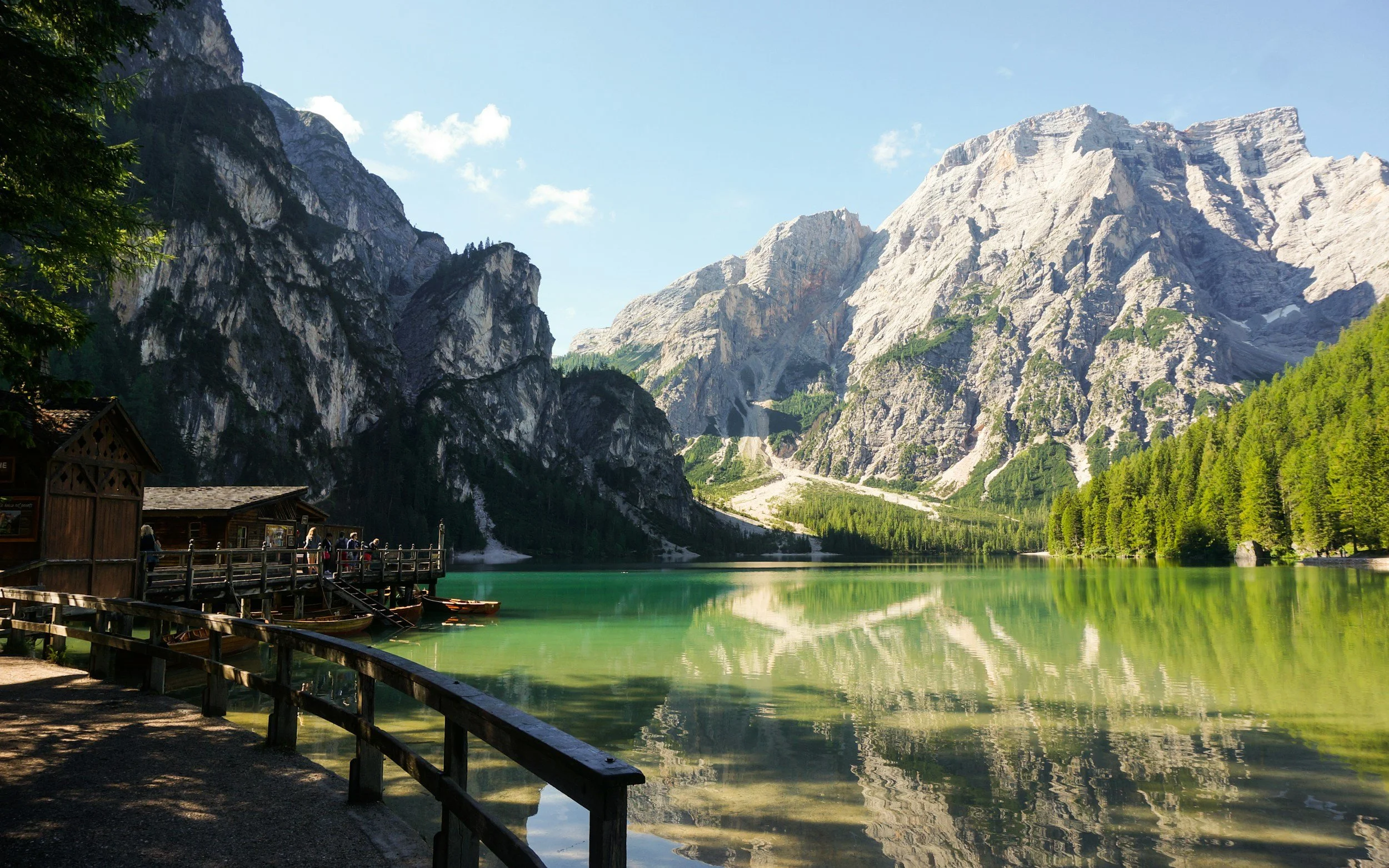
Everyone’s heard of the Dolomites, but when you stay on the South Tyrolean side (in valleys like Val di Funes, Alpe di Siusi, or up around San Martino di Castrozza) it feels like you’ve found a quieter, softer version of the mountains. The trails wind past jagged limestone peaks and flower-filled meadows, and the light on those big skies feels almost unreal.
Valleys like Val di Funes are famous for their views of the jagged Geisler peaks, one of the most recognizable mountain silhouettes in the Dolomites.
Many hikers follow the Adolf Munkel Trail, a gentle path beneath the peaks that offers some of the most spectacular scenery in the region.
What you’ll love here though, is the pace. Nothing here is rushed. Days are shaped by the landscape with long walks, lingering lunches, and the kind of deep, quiet nights you rarely get anywhere else.
If you want to do it a little differently, try booking a simple rifugio up in the hills. Spend the evening without phone service, scribbling in a journal or just watching marmots scamper outside. Or set off on the Adolf Munkel Trail beneath the Geisler peaks, where every turn reveals new views and wooden benches appear just when you feel like a break.
And don’t skip the malgas! The small dairy farms tucked into the hills, where you can taste handmade cheese and smoky polenta under the trees, often with hardly another visitor around. Even in summer, you’ll find these pockets of quiet that make you feel like you have the whole place to yourself.
If the Dolomites speak to you, this slow travel guide to the Italian Dolomites shares a few more peaceful valleys, scenic routes, and mountain villages worth exploring at a slower pace.
Planning Your Digital Detox Trip in Europe
One of the advantages of these destinations is that they’re surprisingly accessible while still feeling remote.
Ljubljana airport is about 45 minutes from Lake Bohinj, while Menorca has direct flights from many European cities. Menorca and Lake Como are a short flight or train ride from major cities, while Lake Bohinj is just an hour from Ljubljana. Even the South Tyrolean Dolomites connect easily to Munich, Innsbruck, or Verona. The Faroe Islands take a little more effort, but that’s exactly what makes them so rewarding.
When you arrive, the key is to let go of schedules. Put the phone away, choose one hike, one swim, or one village stroll a day, and let the rest unfold slowly. Whether it’s sitting on a shaded terrace in Ciutadella, watching the light shift on Faroese cliffs, or tasting fresh cheese at a mountain malga, these are the quiet anchors that make a trip memorable.
A digital detox in Europe doesn’t mean giving everything up - it means giving yourself room to breathe again. And in places like these, presence comes naturally.
You Might Also Like
If you’re planning a digital detox, these guides offer more inspiration for quiet, restorative escapes in Europe:
The Secret to Slow Travel in Northern Iceland: Peace, Quiet, and Nature
Remote fjords, geothermal pools, and long quiet days—Northern Iceland is perfect for travelers seeking stillness and raw beauty.A Slow Wellness Escape in the Swiss Jura: Finding Peace in Remote Mountain Retreats
Discover small, soulful retreats in the Jura mountains—ideal for travelers craving deep rest, alpine air, and time away from screens.Recharge Your Batteries: The 6 Best European Destinations for a Spring Reset
From coastal walks to countryside wellness stays, this guide highlights places to refresh both mind and body during spring travel.
FAQ: How to Plan a Digital Detox Trip in Europe
What is a digital detox retreat?
A digital detox retreat is a stay or trip where you intentionally disconnect from screens and Wi-Fi. In Europe, this often means remote villages, mountain huts, or eco-hotels that encourage slow living and connection to nature.
What are the best digital detox retreats in Europe?
Some of the best include:
Menorca, Spain for quiet coves and slow island living.
The Faroe Islands for raw landscapes with no cell service.
Lake Bohinj, Slovenia for peaceful hiking and lake swims.
Hidden corners of Lake Como, Italy for small villages away from crowds.
South Tyrolean Dolomites for Alpine trails and farm-to-table mountain stays.
Do I need to go completely off-grid for a digital detox in Europe?
Not at all. Many travelers choose destinations with limited Wi-Fi or naturally slow rhythms. You can still have comfort and cozy stays - the goal is to reduce digital noise, not punish yourself.
Are digital detox trips solo-travel friendly?
Yes. In fact, many solo travelers find digital detox getaways especially powerful. Places like Leipzig guesthouses, Dolomite rifugios, or Menorcan fincas are safe, welcoming, and designed for reflection.
How long should a digital detox trip last?
Even a weekend away can help you reset, though four to seven days is ideal for a deeper rest. Many of these destinations are perfect for short breaks, easily reached by train or regional flights.
Want more quiet places and slow travel stories like this?
Sign up for our newsletter - we’ll send you soulful travel inspiration that doesn’t overwhelm your inbox.