I'd happily trade an afternoon in Malmö for a few hours in Ystad, especially if I were in the mood for old streets, a proper fika and a long lunch somewhere with a bit of history. The direct train takes about 50 minutes, and once you arrive, almost everything worth doing on this particular outing is within walking distance. Four to five hours is plenty, so you can enjoy the town and still be back in Malmö by late afternoon.
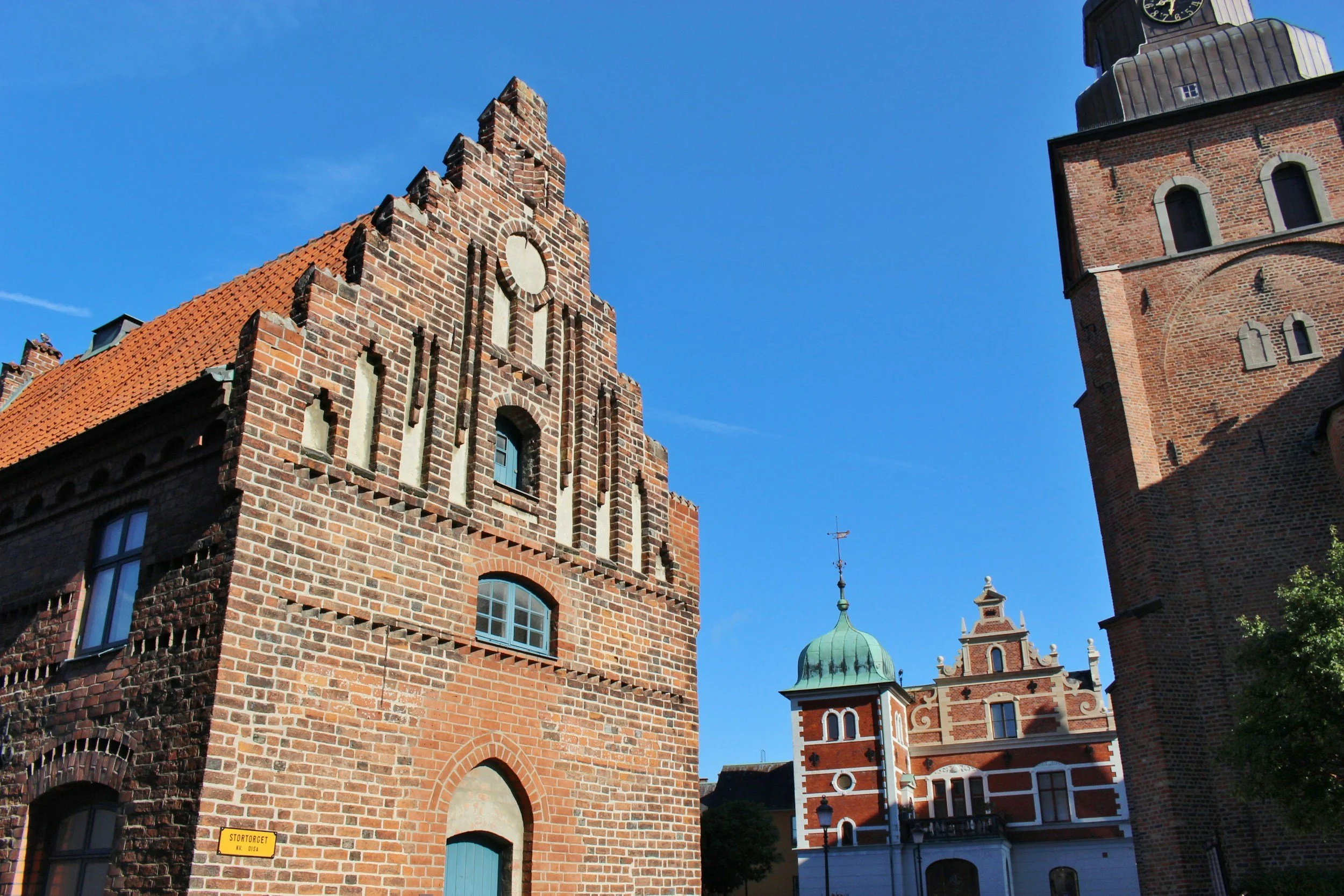
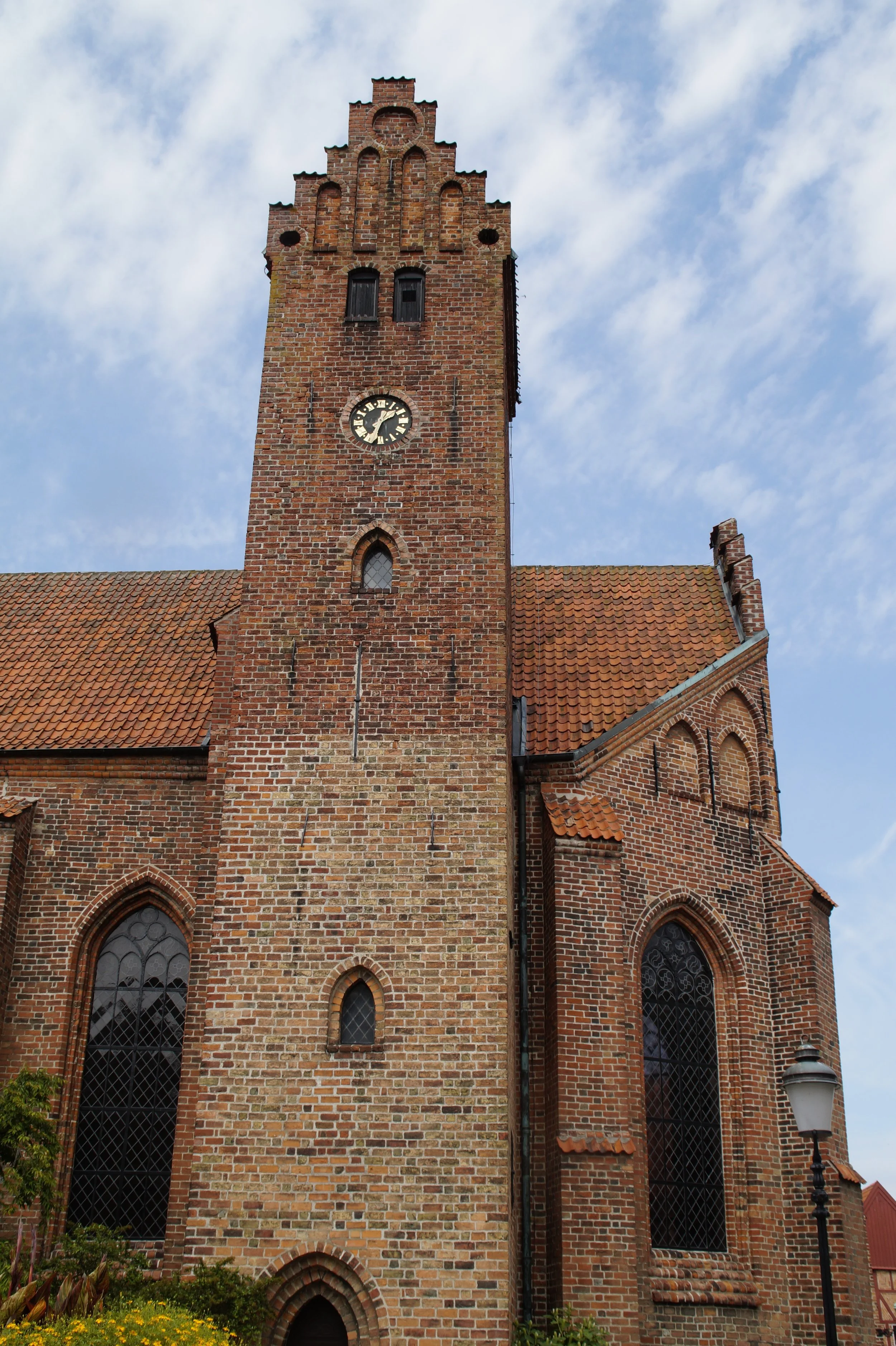
What makes Ystad appealing is that you can spend most of your visit among some of Skåne's loveliest old buildings without needing much of a plan. I'd start with coffee and cake at Café Lurblåsaren on Stortorget, overlooking Sankta Maria Church. The café takes its name from Ystad's tower watchman, who still sounds his horn from the church tower after dark. It's one of those little local traditions that makes a place more interesting once you know about it.
From there, I'd wander along Lilla Västergatan, with its low half-timbered houses and cobbled street, before visiting the town's old Franciscan abbey. Founded in 1267, it's now a museum, with gardens worth a look too. And rather than heading straight back to the station afterwards, I'd make my way across town to Per Helsas gård, a former merchant's courtyard where you can sit down for lunch surrounded by buildings dating back several centuries.
I think Ystad makes particular sense if you're staying in Malmö but would like to experience a smaller Swedish town without hiring a car or spending hours travelling. Saturday is probably the easiest day to follow this route, especially if you want to visit the abbey and have lunch in the courtyard. And although Ystad has a strong connection to the Wallander novels, I'd choose it for the old streets, cafés and local history even if I'd never read a single one.
Fika by the church, then Lilla Västergatan
Ystad is easy to find your way around, so there's no need to plan every turn. From the station, follow Hamngatan into town until you reach Stortorget. The square is where I'd stop for coffee before exploring the older streets, partly because it's a convenient starting point, but also because there's something rather nice about beginning a Swedish day trip with a proper fika instead of immediately heading off sightseeing.
At Café Lurblåsaren, I'd order a coffee and see what looks good in the pastry counter. The café sits at Stortorget 3, facing the square, with Sankta Maria's church tower nearby. Its name comes from Ystad's tornväktare, the tower watchman who still sounds his copper horn from the church after dark. It's a rather wonderful tradition when you think about it, especially in a town where so many of the surrounding buildings have been standing for centuries.
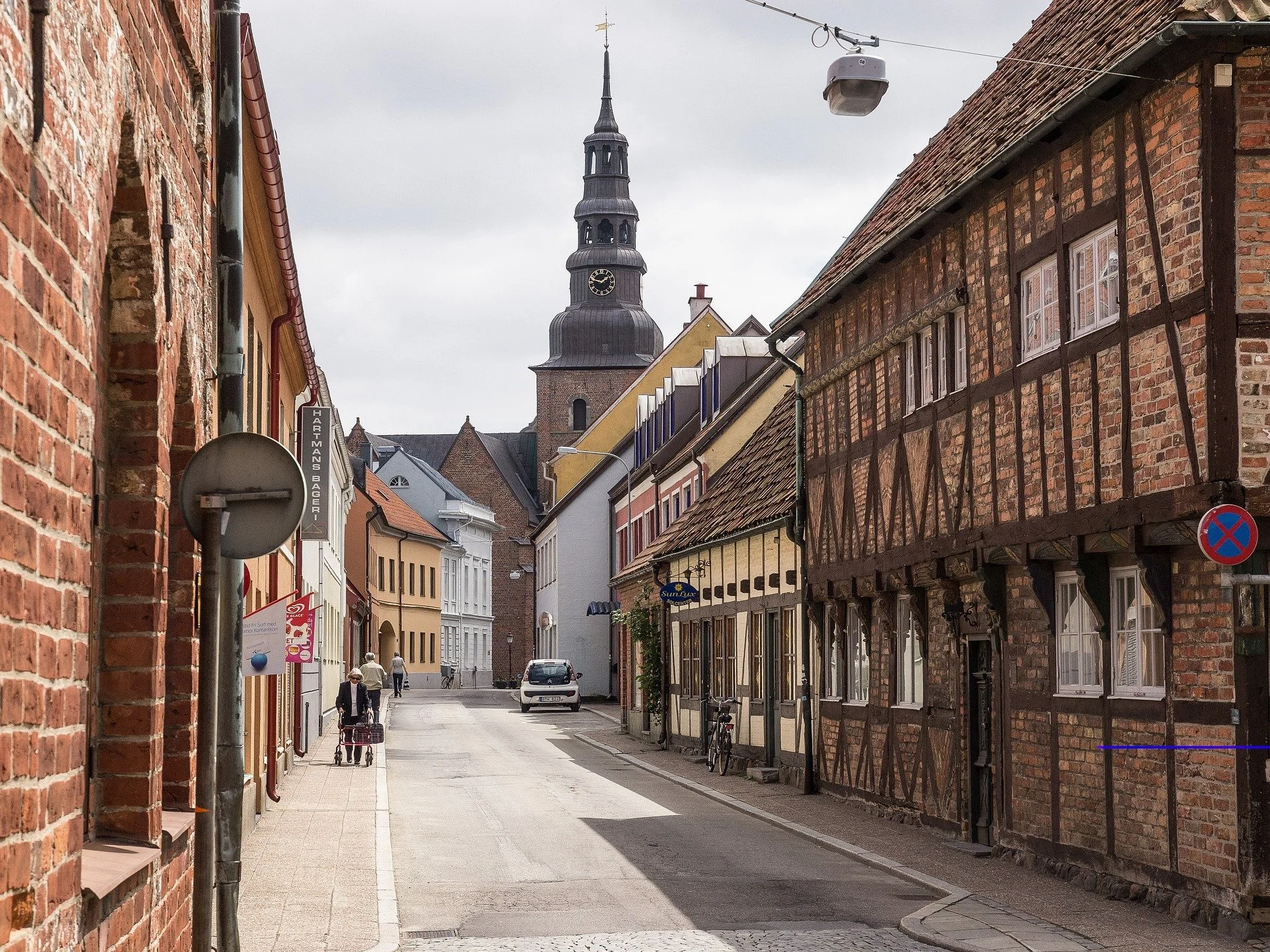
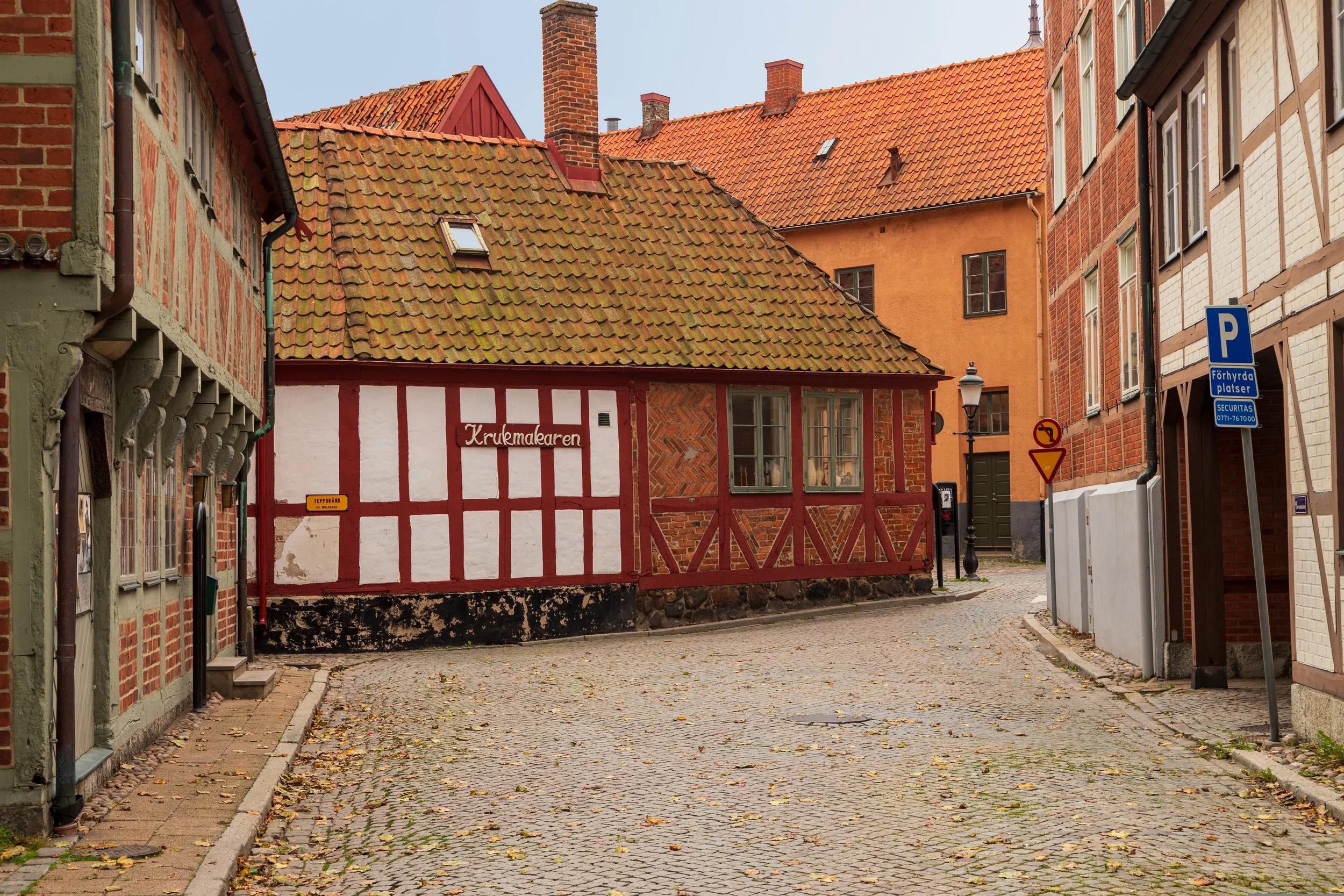
Once you've finished your coffee, head west towards Lilla Västergatan. You don't have to walk far from the square before the streets become smaller and the houses noticeably lower. Lilla Västergatan is particularly attractive, with its cobblestones, old timber-framed houses and façades that sit almost directly against the street. Some of the buildings have painted plaster between the exposed wooden beams, while others are simpler, with small windows and tiled roofs.
Lilla Västergatan is only a short street, but there's plenty to look at along the way. The houses have their own little differences, from the timber-framed façades to the old doors, small windows and tiled roofs. It's one of Ystad's most photographed streets, although it's also a residential neighbourhood, so do be considerate if you're stopping to take pictures.
Once you've had a look around, head back towards the centre along Stora Västergatan, or take one of the neighbouring lanes if something catches your eye. I wouldn't worry about following an exact route here. The streets are close together, and it's easy to find your way towards the abbey when you're ready.
From here, continue towards S:t Petri kyrkoplan for the abbey. If you'd rather avoid the cobbles or keep the walk shorter, you can skip Lilla Västergatan and go straight from Stortorget instead. You'll still have time for the museum and the older merchant buildings on the eastern side of town.
If Swedish cafés are one of your favourite parts of travelling, you might also enjoy my guide to Gothenburg's quieter cafés and cozy neighbourhoods. I've included places I'd choose for a coffee, something good to eat and a little time to myself.
Give the old abbey the one museum stop
A short walk from the older streets brings you to Klostret i Ystad, a former Franciscan abbey founded in 1267. It's one of the places I'd make time for even on a fairly short visit to Ystad, partly because so much of its history is tied to the building itself. You can spend the morning admiring the old houses around town, then come here and see something that has been part of Ystad for more than 750 years.
The surviving red-brick buildings once belonged to a Franciscan religious community, and today the complex houses Ystad's town history museum. I think that's what makes the visit particularly appealing. Rather than walking through a modern museum filled with objects from the past, you're exploring part of the town's history while standing inside it. The exhibitions cover different aspects of Ystad's past, alongside temporary displays, but I'd be just as interested in the building and its architecture.
One thing worth planning around is the opening time. The museum normally doesn't open until 12:00, so there's little point arriving first thing in the morning. The walk through the old town and a stop for fika fit rather nicely before it. I'd allow around 45 minutes to an hour inside, depending on the exhibitions. Adult admission is 50 SEK, and the museum is cashless. If you're visiting on a Friday between September and March, admission is normally free.
Before leaving, have a look around the abbey gardens. There's a herb garden, a kitchen garden and an orchard, inspired by the sort of gardens the Franciscan friars would have used centuries ago. I find that side of the abbey particularly interesting, as it gives you a glimpse of everyday life here beyond the religious buildings themselves.
You'll also find a rose garden with an unusual wheel-shaped layout. It's a more modern addition, and I'd definitely make time for it if the roses are in bloom during your visit. The gardens are worth a short wander in other seasons too, particularly with the old brick buildings surrounding them, although they're naturally more interesting when everything is growing.
The gardens can also be visited outside the museum's regular opening hours, which is handy if you arrive early or happen to visit on a Monday when the museum is normally closed. Just bear in mind that seeing the grounds isn't quite the same as going inside the old abbey. For a first visit to Ystad, I'd try to choose a day when you can enjoy both.
Walk past the old merchant houses for lunch
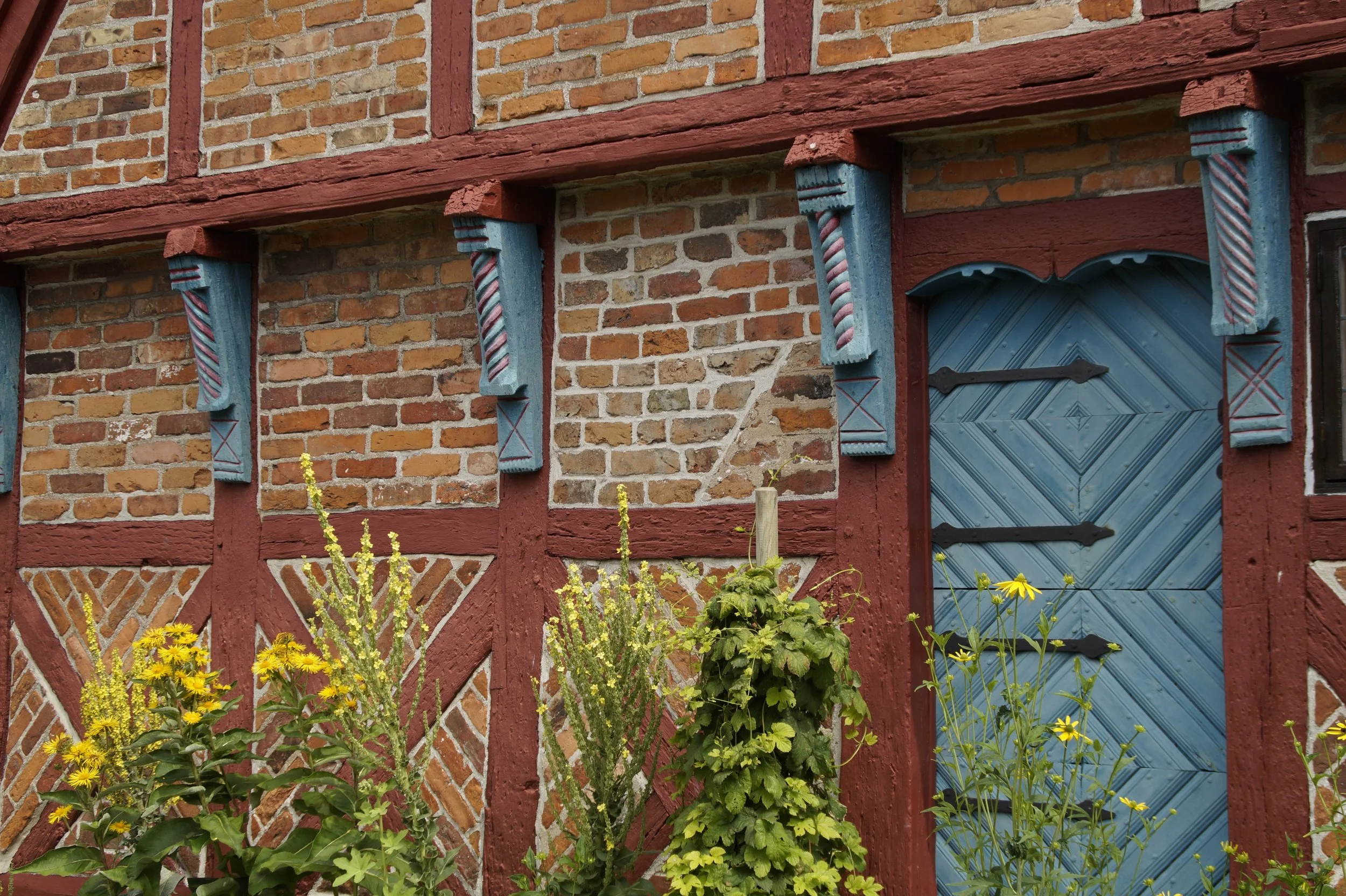
After the abbey, head towards Stora Östergatan and make your way east to Pilgränd. Before you start looking for somewhere to eat, there's a building here worth stopping for. Pilgrändshuset dates from around 1500, and you can still see how the upper floor projects out over the one below. Look at the red brick between the wooden beams and the way the two parts of the building fit together. It originally combined a home with storage space, so you're looking at a building that was designed for everyday life and trade more than 500 years ago!
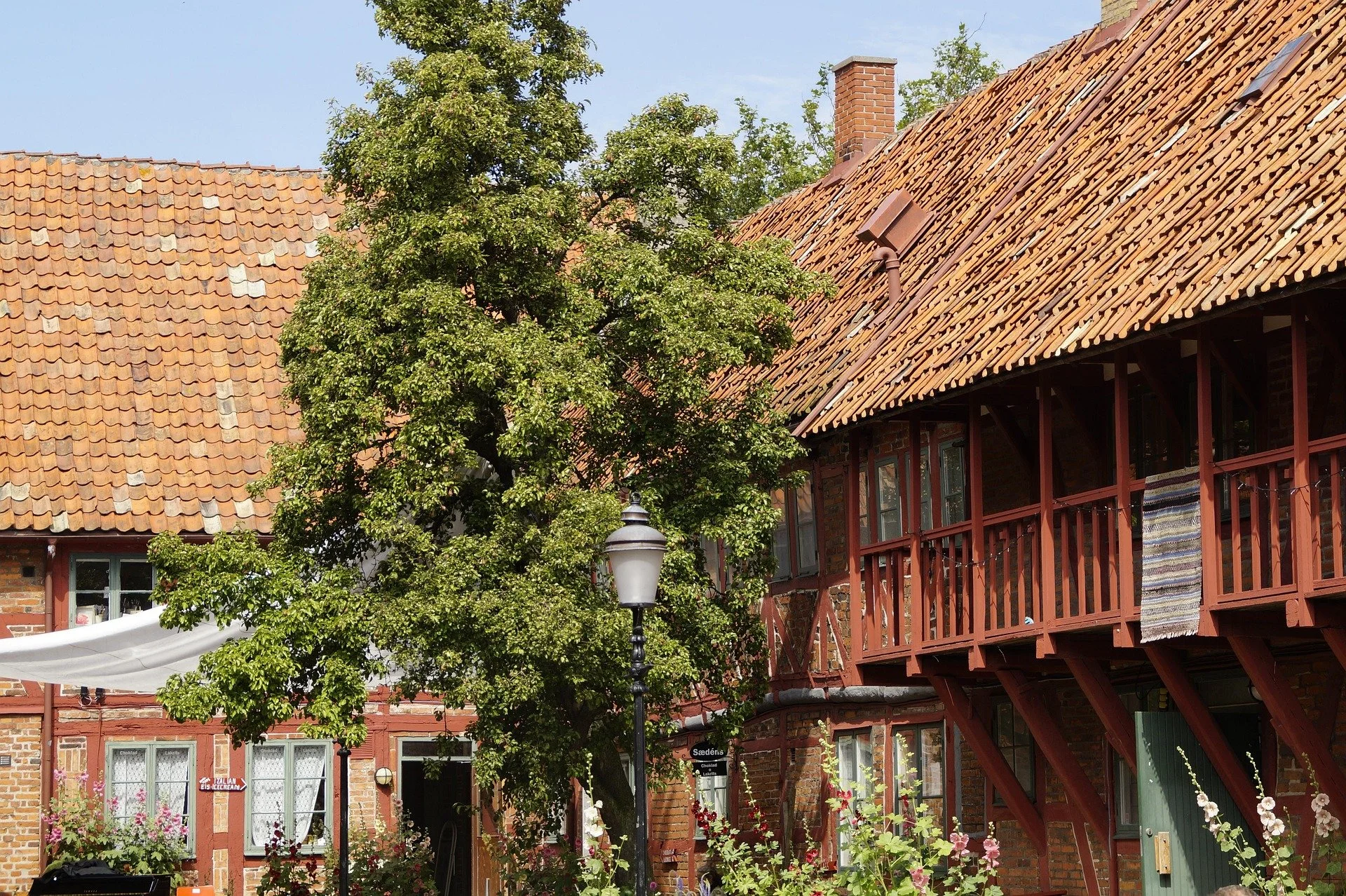
A little further along, you'll come to Per Helsas gård, where I'd plan to have lunch. This former merchant's courtyard is one of my favourite details about the Ystad route, because you can actually eat inside a place that has been part of the town's trading history for centuries. The half-timbered buildings surrounding the courtyard weren't all built at once. The oldest surviving section is thought to date from the late 1600s, with other parts added over the following two centuries. It's worth looking around at the different rooflines and timber-framed façades before heading inside.
Grändens Mat, at Besökaregränd 3, is the restaurant I'd choose here. After a morning of coffee, cake and walking, their räkmacka sounds just about right. It's an open prawn sandwich on dark bread, topped with egg, cucumber and a dill and lemon cream. A good Swedish prawn sandwich is often enough for lunch on its own, and I'd be quite happy ordering that rather than having a heavier meal.
The restaurant serves lunch from Monday to Saturday, normally until around 15:00 or 15:30 depending on the day. I'd aim for a table at about 13:00 or 13:30, which works well after the abbey's noon opening. And although the courtyard is particularly attractive during the warmer months, you don't need an outdoor table to enjoy the old surroundings.
Visiting on a Sunday? Grändens Mat is normally closed, so I'd change the order slightly and have lunch back at Stortorget instead. Le Cardinal, at number 15, opens from noon on Sundays and serves a range of fish, meat, pasta and pizza dishes. It's more of a straightforward restaurant choice than a historic courtyard experience, but it's conveniently placed after the abbey. You can still walk past Pilgrändshuset and Per Helsas gård afterwards to see the buildings from outside before returning to the station.
If you're spending more time in southern Sweden, Lund is another easy town to explore by train. It has a rather different feel from Ystad, with its cathedral, university buildings and bookshops. I've included Lund in my guide to small towns you can visit from Copenhagen by train.
How to get to Ystad and when to visit
The easiest way to reach Ystad is by train, and I'd definitely choose that over hiring a car if you're staying in Malmö. Direct Pågatåg trains take around 50 minutes from Malmö Central, and the station in Ystad is close enough to the old town that you can start exploring almost as soon as you arrive.
You can check departures and buy tickets through Skånetrafiken. Search for Malmö C to Ystad, although it's worth checking Triangeln or Hyllie if you're staying closer to either station. Some services continue to Simrishamn, so that's the destination you might see on the departure board. I'd also compare the available single and 24-hour tickets before buying, particularly if you're planning to return to Malmö the same afternoon.
There's no particular advantage to catching the earliest train. I'd aim to arrive in Ystad around 10:30 or 11:00, which gives you time for coffee and a wander through the older streets before the abbey opens at noon. You can then have lunch and make your way back towards the station without feeling that you've spent the entire day travelling.
I'd choose Friday or Saturday for this day trip, as you'll have the best chance of finding the cafés, restaurants and other places you want to visit open. Friday is especially worth considering between September and March, when admission to Klostret is free. If you're visiting in winter, I'd also plan to arrive in the morning. That way, you can enjoy the old streets while it's still light and spend the colder part of the afternoon indoors.
Sunday can be a lovely day to explore Ystad too, although I'd check the opening hours of anywhere you're hoping to eat. Some smaller businesses may be closed, and Grändens Mat doesn't open on Sundays. Monday would be my last choice, mainly because Klostret is normally closed. You can still wander around the old town and visit the abbey gardens, but I think the museum is worth including if you're making the journey from Malmö.
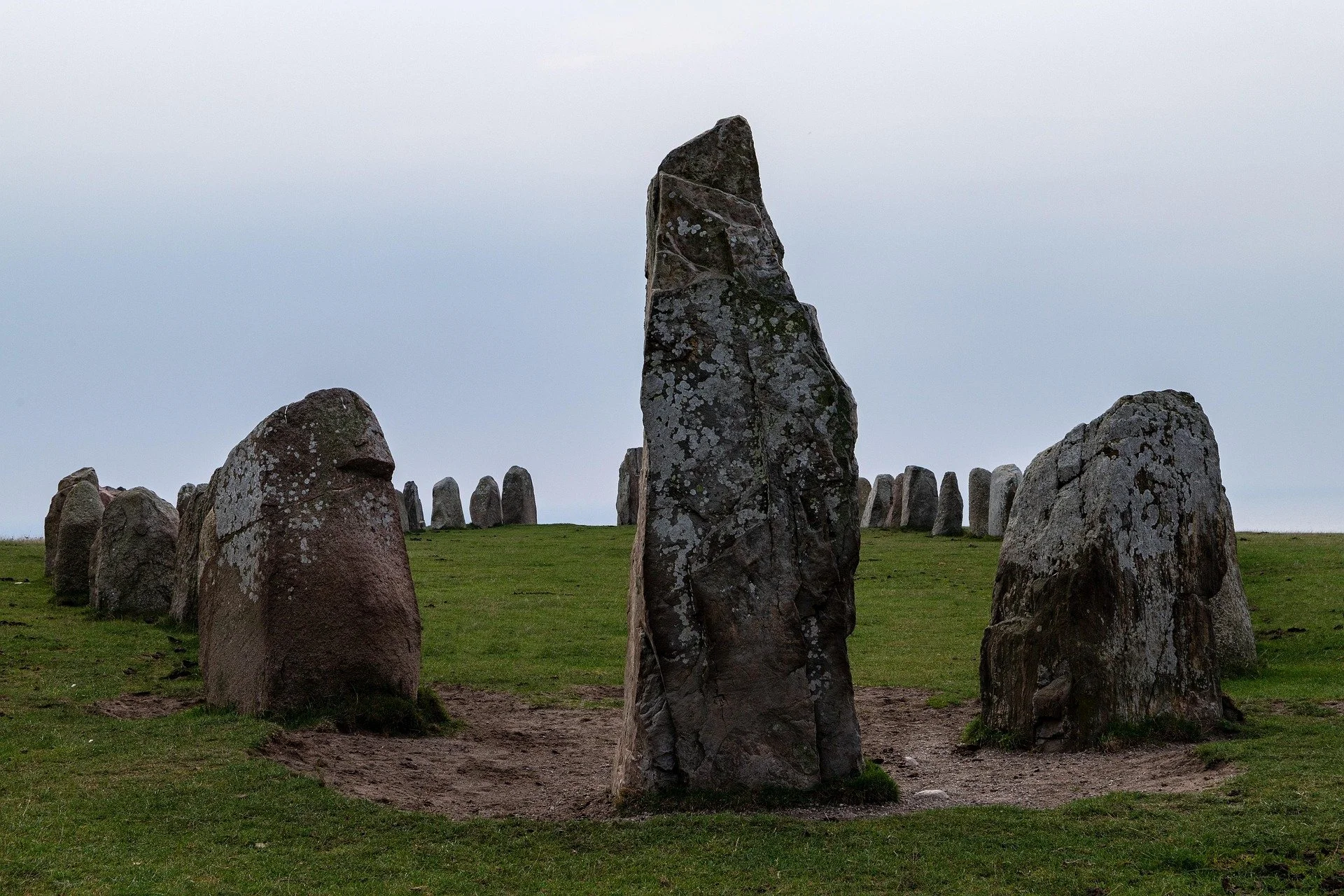
I'd save Ales stenar and the Österlen coast for another day rather than trying to squeeze them into your visit to Ystad. Ales stenar is near the fishing village of Kåseberga, so you'll need to arrange transport beyond the town centre, and the coastal villages are better enjoyed when you have time to explore a little further.
For this trip, I'd stick to Ystad itself. There’s enough to enjoy between the old streets, cafés and historic buildings, and I think it's rather nice to have an afternoon where you can simply catch the train back to Malmö whenever you're ready.
A little extra for Wallander fans
Ystad is also Kurt Wallander's hometown, at least in the world of Henning Mankell's crime novels. If you've read the books or watched the television adaptations, it's quite fun to realise that many of the streets and cafés are real places you can visit. You might even recognise a few locations as you're walking through town.
One place I'd consider swapping into the morning is Fridolfs Konditori on Lingsgatan, a café closely associated with Wallander. The tourist office even mentions a special Wallander pastry, although I'd check what's available on the day rather than counting on finding one. It's an easy way to add a little literary connection to your visit without changing your plans too much.
If you'd like to explore further, Visit Ystad has a self-guided Wallander walk that you can follow at your own pace. There's also the Ystad Studios Visitor Center for anyone more interested in the television productions and their sets. It's outside the old town, so I'd only make the trip there if Wallander is one of your main reasons for visiting. Opening days vary, so check before setting off.