
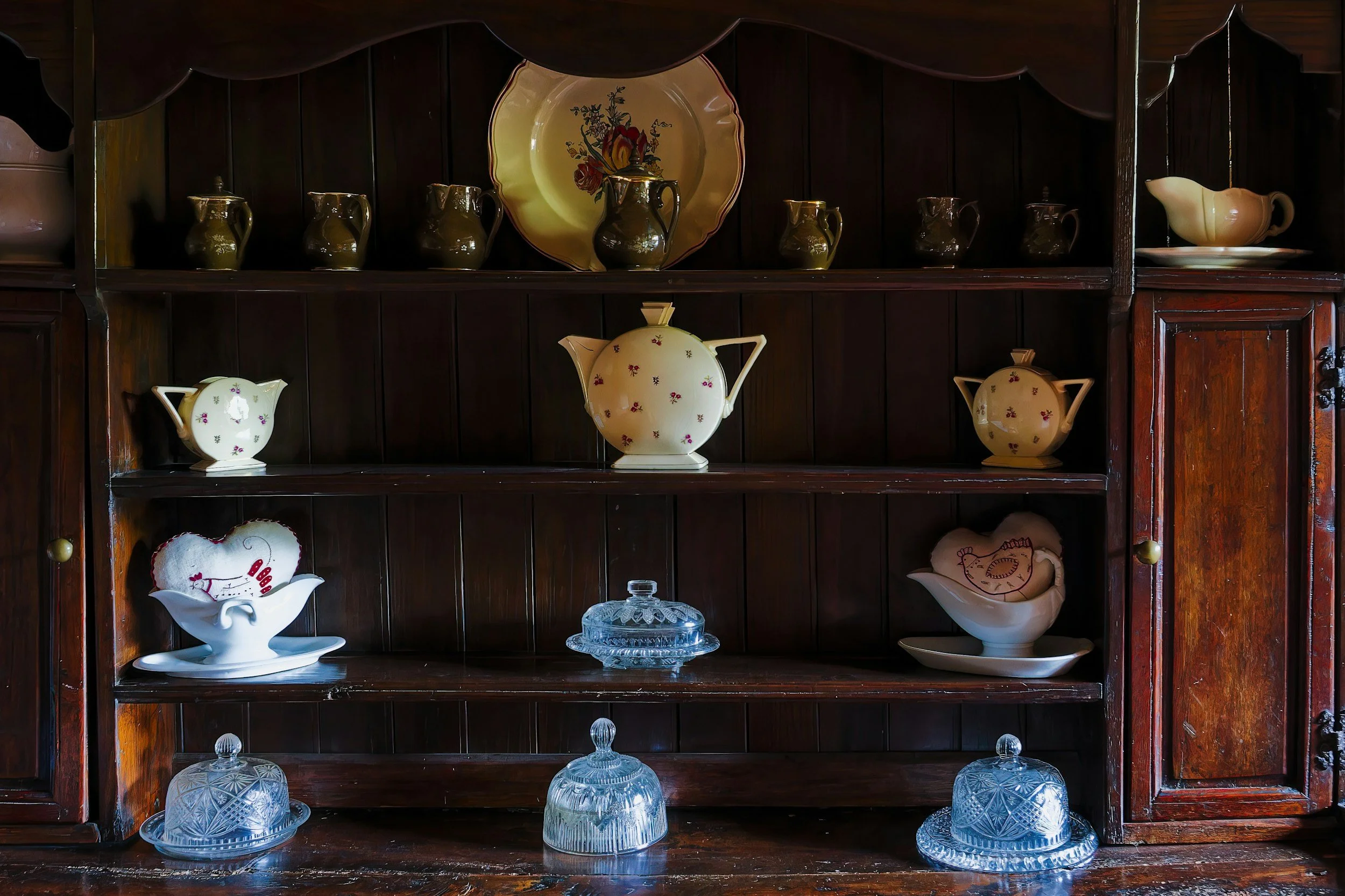
I'd be quite happy to visit Limoges just to find a beautiful coffee cup or a plate for my kitchen. Something made locally, perhaps with an unusual pattern or a small imperfection that makes it a little more interesting. At Porcelaine Lachaniette, they actually take porcelain pieces rejected by larger manufacturers and decorate them by hand. It's the sort of shop I'd make time for, even without a particular purchase in mind.
But there's a lot more to Limoges than browsing porcelain shops. This French city has been making porcelain since the eighteenth century, and you can still see quite a bit of that history. The Musée national Adrien Dubouché has everything from old manufacturing equipment to elaborate dinner services, while the Four des Casseaux is a huge brick kiln dating from 1884 that you can step inside. Bernardaud also opens its historic workshops for guided visits, which I'd consider if you're curious about how porcelain is actually made.
I'd choose a Saturday for a porcelain-focused visit to Limoges. You'll have more choice when it comes to workshops and independent shops, and there's time to stop for lunch at the covered market, where even the exterior is decorated with porcelain tiles. One full day is enough to see the main places, although staying overnight would make the trip more enjoyable if you're coming from Paris.
And you don't need to know anything about porcelain before you arrive. I think that's part of what makes Limoges appealing. You might start the day wondering what could possibly make one white plate so different from another, then find yourself comparing hand-painted designs, old factory marks and the cups you'd actually want to drink your morning coffee from.
How to get to Limoges and where to stay
Limoges is fairly straightforward to reach by train, especially from Paris. Direct Intercités services leave from Paris Austerlitz and arrive at Limoges-Bénédictins in around 3½ hours. It's a comfortable option if you're travelling without a car, although I wouldn't recommend squeezing Limoges into a day trip from Paris. That's a lot of time on the train when you'll want several hours for the museum, a little shopping and a proper lunch.
I'd aim to arrive on Friday evening and keep Saturday free for exploring. Alternatively, you could travel down on Saturday morning and stay until Sunday afternoon, saving the Musée national Adrien Dubouché for your second day. The museum opens on Sundays, while several of the specialist porcelain shops and workshops don't, so the order makes quite a difference.
You'll arrive at Limoges-Bénédictins, which is quite an impressive station in its own right. Its large dome and tall clock tower are worth noticing before you head into town. The Musée national Adrien Dubouché is about 1.5 kilometres away, and you can walk into the centre or take a local bus towards Place Winston Churchill.
For accommodation, I'd stay somewhere around Place de la Motte or between the Halles Centrales and the historic Cité quarter. You'll be close to the covered market, restaurants and the older streets around the centre, with Porcelaine Lachaniette on Boulevard Louis Blanc within easy reach. Some of the workshops and factory shops are farther out, but you can still plan a porcelain-focused weekend without hiring a car.
If you'd like to visit Bernardaud's historic workshops, I'd check the tour availability before booking your train. Visits take place at set times, and it's worth making sure there's an English-language tour that fits your plans.
And if you have a few extra days in this part of France, Limoges also makes a useful starting point for exploring the countryside. I've included some lovely smaller places in my guide to quiet villages in Auvergne and Limousin, particularly if you'd like to combine the city with a more rural stay.
Start at the Musée national Adrien Dubouché
I'd start your porcelain day at the Musée national Adrien Dubouché, partly because it's a lovely way to understand what you're going to see in the shops later. After looking at the museum's elaborate dinner services, you might find yourself paying much more attention to the shape of a cup or the decoration around the edge of a plate.
The museum has a large collection of ceramics from around the world, but you don't need to work your way through every room. I'd head first to the techniques mezzanine, where the focus is on how porcelain was actually made. There's a machine designed by Paul Faure in the 1860s specifically for shaping plates, along with old tools from factories around Limoges. Some still show signs of use, which I find much more interesting than a perfectly restored piece of equipment. They're small reminders of the people who spent their working days making these objects.
The story of Limoges porcelain began with a discovery just south of the city. In 1768, kaolin, the fine white clay needed to produce hard-paste porcelain, was found near Saint-Yrieix-la-Perche. Factories developed across the region, and Limoges gradually became known for porcelain that was as much about decoration as everyday use.
From the mezzanine, make your way to the Limoges porcelain galleries, where the finished pieces are on display. One particularly interesting example from the museum's collection is the Grain de riz dinner service, presented at the Paris World Fair in 1878. It's worth looking for if it's on display, especially after seeing the equipment used to shape much simpler pieces. By the late nineteenth century, manufacturers were producing tableware intended to impress at international exhibitions, and some of the designs are far more elaborate than anything most of us would put on our dinner tables today.
I'd give the museum around 90 minutes to two hours, depending on how much you enjoy ceramics. It's at 8 bis Place Winston Churchill, not far from the old centre, and there's a museum shop with contemporary Limoges porcelain if something catches your eye.
The museum is normally open 10:00–12:30 and 14:00–17:45, and closes on Tuesdays. I'd go in the morning and give yourself plenty of time to explore before heading to the Halles Centrales for lunch. That way, you can keep the afternoon free for a workshop visit or a little porcelain shopping.
Bernardaud or the Four des Casseaux: which should you visit?
There are two very different ways to explore Limoges' porcelain industry beyond the museum. You can visit the historic workshops of Bernardaud, one of the city's best-known porcelain houses, or step inside an enormous brick kiln that was still firing porcelain in the 1950s.
I'd choose one rather than try to fit both into the same afternoon. Bernardaud is the better choice if you're interested in how porcelain is produced and how it's being used by designers today. The Four des Casseaux would be my pick for anyone who enjoys old industrial buildings and wants to explore without joining a guided group…
Bernardaud: a historic porcelain house with a contemporary side
Bernardaud has been making porcelain in Limoges since 1863, and it's still a name you'll come across in beautifully designed tableware today. What's particularly appealing about visiting its historic workshops is getting to see more of the process behind those finished pieces, from the different stages of manufacture to the techniques involved in producing such delicate objects.
The visit is guided, which I think makes sense here. There are quite a few stages in porcelain production that aren't immediately obvious when you're simply looking at a finished cup or plate, and having someone explain them adds considerably more than another room of display cases would.
The tour also includes the Fondation Bernardaud's contemporary ceramics exhibition, and I'd make time for that rather than heading straight to the shop afterwards. It's an interesting contrast to the historic workshops, particularly if your taste leans towards modern ceramics rather than traditional French dinner services. Bernardaud has a long manufacturing history, but its interest in contemporary design is part of what makes the visit worthwhile.
Tours take approximately 1 hour and 15 minutes and should be booked in advance through Bernardaud's official website. Visits are generally offered Monday to Saturday, although the actual times depend on the booking calendar. English-language tours are available, but I'd check for a suitable departure rather than assume every visit is bilingual.
There's also a Bernardaud factory shop on the premises. If you've been admiring the company's tableware during the visit, it's a convenient opportunity to look more closely at the different collections. Just don't assume that everything is discounted or that a particular design will be available.
Four des Casseaux: step inside a nineteenth-century porcelain kiln
The Four des Casseaux is a very different experience, and one I'd be particularly tempted by. Instead of a polished porcelain showroom, you're visiting a former industrial site built around a huge circular brick kiln from 1884.
You can actually walk inside the kiln, which is the main reason I'd come here. It's one thing to read about the thousands of pieces produced by Limoges factories, but quite another to see the size of the structure needed to fire them. The kiln remained in operation until 1959, so this isn't some distant chapter of the city's history. It was still part of working life in Limoges within living memory.
What appeals to me most is that the kiln has been preserved as part of the original factory. You can walk inside the huge brick structure and get a sense of just how much space was needed to fire porcelain before modern equipment took over. Even if you're more interested in old buildings than ceramics, I'd say it's worth a visit.
The museum is at 1 rue Victor Duruy, and you can explore independently without booking an ordinary self-guided visit. Allow around 45 minutes to an hour. It normally opens Monday to Saturday, 10:00–12:30 and 14:00–17:30, with Sundays and public holidays closed. Standard self-guided admission is listed at €4.50.
If you're visiting the kiln, I'd also stop by the Royal Limoges factory shop at 54 rue Victor Duruy, just along the same street. It's a good place to browse traditional Limoges tableware, and since you're already in the area, you can easily combine the two visits.
Where to buy porcelain in Limoges
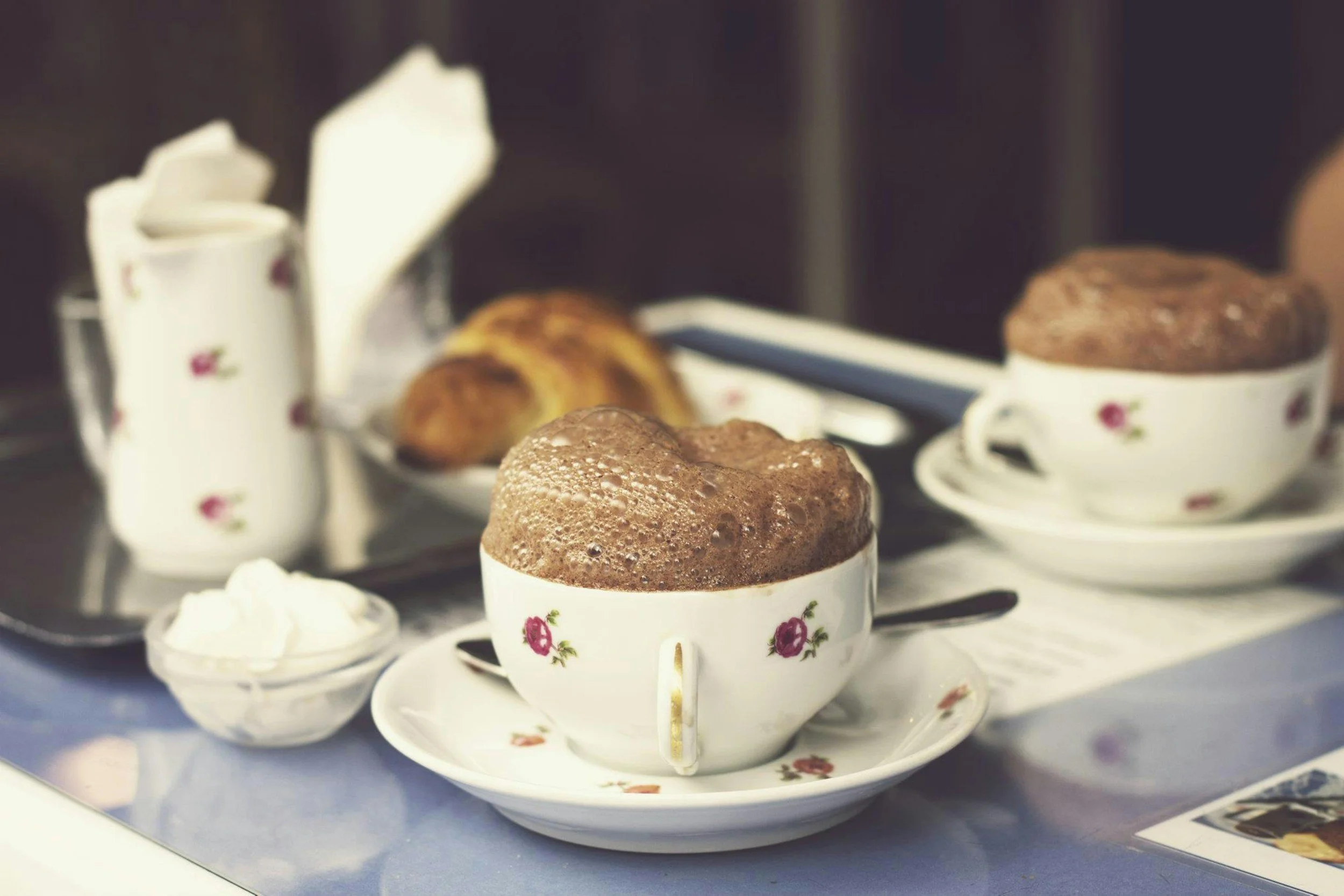
I'd leave a little room in your suitcase before visiting Limoges. Not because you need to come home with a matching dinner service, but because there's a surprising amount of variety once you start looking beyond the traditional white porcelain and delicate floral patterns.
The shops are quite different, too. Some bring together several manufacturers, others sell their own contemporary designs, and a few are attached to the factories themselves. I'd choose two that interest you rather than spend the whole afternoon visiting outlets. There's much more pleasure in browsing properly than rushing around looking for the cheapest plate!
Porcelaine Lachaniette: a good place to start
If I were choosing just one porcelain shop in central Limoges, it would probably be Porcelaine Lachaniette at 27 boulevard Louis Blanc.
The shop sells porcelain from several manufacturers, alongside crystal and silverware, so there's a good opportunity to compare different styles in one place. You might find yourself drawn to something quite traditional, or discover that you prefer a much simpler design once you've seen the pieces together.
But the collection I'd be most curious about is their hand-decorated imparfaits.
Lachaniette uses porcelain that larger manufacturers have set aside because of small imperfections, then adds new decorations by hand. I quite like the thought of giving these pieces a second life, especially when you end up with something a little different from the usual collections.
If something catches your eye, ask what the original imperfection was and whether it affects everyday use. I'd also check how to care for the hand-painted decoration, particularly if you're hoping to use the plate regularly rather than keep it for special occasions.
There's a private porcelain collection at Lachaniette as well, although visits should be arranged separately. For ordinary shopping, you can simply browse the store, which normally opens Monday to Saturday, 10:00–12:00 and 14:00–19:00.
Non Sans Raison: porcelain with a more modern personality
If traditional Limoges porcelain feels a little too formal for your home, have a look at Non Sans Raison.
Non Sans Raison has a much more colourful take on Limoges porcelain, with designs that feel modern and a little less traditional. I particularly like the idea behind its Splash collection, where irregular splashes of colour are painted onto simple porcelain shapes. The hand-painted yellow mug is a good example, and I think it would look lovely mixed in with everyday cups rather than as part of a matching set.
That's what makes the brand interesting to me. You can pick something with a bit of personality without having to rethink all the tableware you already own. The boutique is at 5 impasse d'Isly, right next to the company's workshops, although the workshops themselves aren't necessarily open to visitors.
Royal Limoges: for classic porcelain straight from the manufacturer
The Royal Limoges factory shop is a good choice if you're more interested in traditional porcelain than colourful contemporary pieces.
You'll find it at 54 rue Victor Duruy, on the same street as the Four des Casseaux. That makes it particularly convenient if you've chosen to visit the old kiln.
Royal Limoges is a good place to look if you prefer classic tableware from an established porcelain manufacturer. I'd be drawn to the simpler white pieces, perhaps a serving dish or a beautifully shaped plate that would fit in with what I already have at home. Sometimes the porcelain itself is lovely enough without any elaborate decoration.
It's worth remembering that a factory shop doesn't necessarily mean everything comes with a big discount. I'd go to browse the collections rather than specifically hunt for bargains. The shop is normally open Monday to Saturday, 10:00–18:00, including lunchtime.
Buying Limoges porcelain: a few things worth knowing
One thing I'd pay attention to is where the porcelain was actually made. Porcelaine de Limoges is a protected geographical indication, with production requirements linked to the Haute-Vienne department. If buying a new piece, look for the relevant origin information and ask whether the porcelain was made and decorated locally. A shop being located in Limoges doesn't automatically mean everything it sells was produced there.
You may also come across older porcelain in antique shops or at the city's monthly flea market. Turn pieces over to look for manufacturers' marks, but don't rely on a stamp alone to establish their age or origin. Check carefully for chips, fine cracks and repairs, particularly around handles and rims.
And if you find something you love, ask the shop to wrap it well for the journey home. Porcelain isn't the most forgiving souvenir to pack, especially when you still have a train or flight ahead of you…
I'd happily spend an hour browsing without buying anything. Seeing the differences between a hand-decorated plate, a contemporary painted mug and a traditional factory-made serving dish is interesting in itself, and you'll probably find that your tastes become much clearer once you've seen the pieces up close.
From the Halles Centrales to the Cité
By lunchtime, I'd be ready to put the porcelain shopping on hold and head for the Halles Centrales on Place de la Motte. It's the city's covered food market, with counters selling cheese, charcuterie, fresh produce and regional specialities, along with places where you can sit down for something to eat. I'd give yourself time to look around before deciding on lunch rather than heading straight for the first available table.
Before heading inside, take a look at the porcelain tiles decorating the outside of the market. There are 328 of them, with illustrations of the food and other goods traditionally sold here. I think it's a lovely detail, and rather fitting that a city famous for its porcelain has even used it to decorate the local food market.
The Halles are generally open Tuesday to Sunday, with traders starting early and closing around 14:00 or 15:00, depending on the day. I'd go in the late morning, when there's still plenty to browse and you can stay for lunch if something catches your eye.
Afterwards, wander through the older streets towards the Cour du Temple, a small courtyard tucked among the buildings of the historic centre. There's a rather curious porcelain connection here, too, although this time you'll need to look down instead of up. Parts of the paving contain fragments of gazettes, the heat-resistant containers once used to protect porcelain inside the kilns. They're easy to overlook, but I think there's something quite appealing about finding pieces of the city's manufacturing history worked into an ordinary courtyard.
A Sunday morning at Les Puces de la Cité
If your visit falls on the second Sunday of the month, I'd make time for Les Puces de la Cité, the antiques and flea market held around Saint-Étienne Cathedral.
The stalls spread through streets including rue de la Cité, rue Haute-Cité and rue de la Cathédrale, bringing together dealers selling old furniture, decorative objects, antiques and vintage pieces for the home. It's the sort of market where I'd happily browse without having anything particular in mind. You might come across an old Limoges plate or cup among the other antiques, but I'd also be interested in the smaller household objects and unusual pieces that have nothing to do with porcelain.
I'd happily spend a Sunday morning browsing the stalls around Saint-Étienne Cathedral, where the market spreads through the old streets of the Cité quarter. It's a nice opportunity to see another part of Limoges, perhaps stopping for a coffee along the way and taking your time looking through the antiques.
Les Puces de la Cité is usually held on the second Sunday of each month, except in August. Dates and locations can occasionally change, so it's worth checking the current market calendar before arranging your visit.
If you're visiting on an ordinary Sunday, I'd still spend some time around the Cité and the cathedral, perhaps after a morning visit to the Halles. The Musée national Adrien Dubouché is also open on Sundays, so you can save the museum for the afternoon if you've used Saturday for the workshops and shops.