Where to stay in Emilia-Romagna when you’re travelling by train
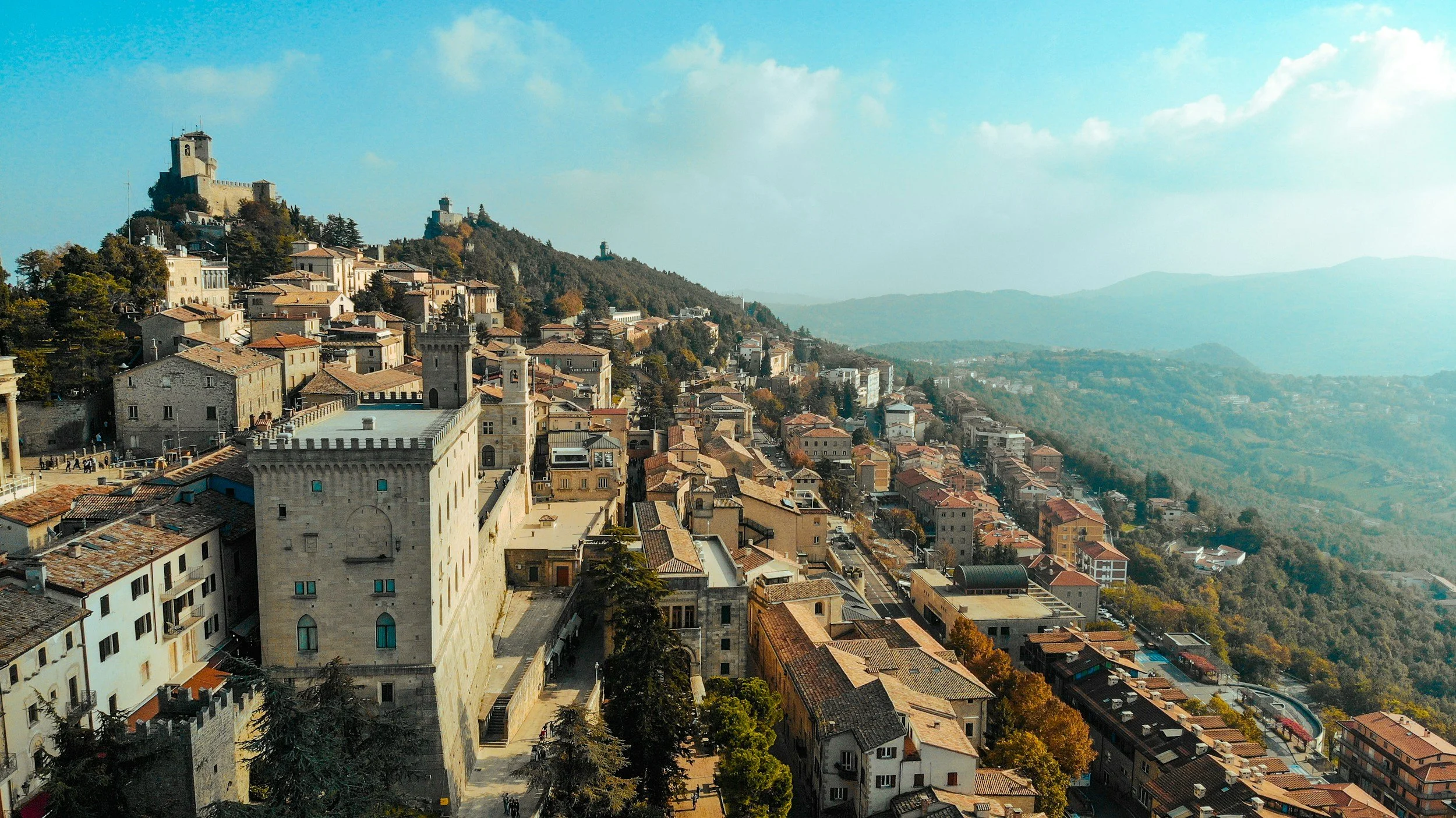
For a first trip without a car through Emilia-Romagna, I’d stay in Bologna. It is the least risky choice when you have not decided exactly how far across the region you want to go. Modena and Parma are still straightforward, but Bologna also keeps Ravenna and Ferrara within sensible reach. Move farther west and those eastern days start to look less appealing, especially when you realise how often the railway pulls you back through Bologna first.
But if your trip is really just Bologna, Modena, Reggio Emilia and Parma, I would look very seriously at Modena instead. It sits in the middle of that line, which spreads the journeys out much more evenly, and for four or five nights I can see the appeal of coming back to a smaller city every evening rather than defaulting to Bologna simply because it is the obvious transport hub. Parma is a different choice again. I’d stay there when Parma itself is a big part of the trip, perhaps because you want two proper days there, have producer visits arranged nearby, or you are arriving from Milan and continuing west. If Ravenna and Ferrara are also on your list, though, Parma would make several days harder than they need to be.
And if you have six or seven nights and genuinely want to cover both western Emilia and the Romagna side, I would not force the whole trip into one stay just for the sake of unpacking once. At that point, splitting the trip can save more time than it costs.
First decide how much of Emilia-Romagna you are really trying to see
There is a reason people get slightly muddled here. Bologna, Modena and Parma are often grouped together as though they sit in a neat little triangle, when the railway is much simpler than that. Parma, Reggio Emilia, Modena and Bologna run west to east along the same line, with Modena sitting roughly in the middle. If those are the cities you care about, Modena is in a very useful position and there is no real reason to treat Bologna as the automatic choice.
The moment Ferrara or Ravenna becomes important, though, Bologna starts making far more sense. Those journeys do not fit neatly into the Parma-Modena-Bologna line, and Bologna is where the rail network opens out towards the eastern side of the region. That is why both Bologna and Modena can be described as “central” without really meaning the same thing. Modena is central to the western food-city route, and Bologna is central to a broader Emilia-Romagna trip.
That choice has a bigger effect on the trip than the map first suggests. Stay in Modena and spend your days between Bologna, Reggio Emilia and Parma, and the geography is on your side. Start adding Ravenna and Ferrara, and you are suddenly spending more time heading back east than you probably planned.
I’d decide that before getting attached to a hotel. If Ravenna and Ferrara are both definite stops, I’d choose Bologna. If your trip stays mostly between Bologna, Modena, Reggio Emilia and Parma, Modena becomes a much stronger place to stay than the usual Emilia-Romagna advice tends to admit.
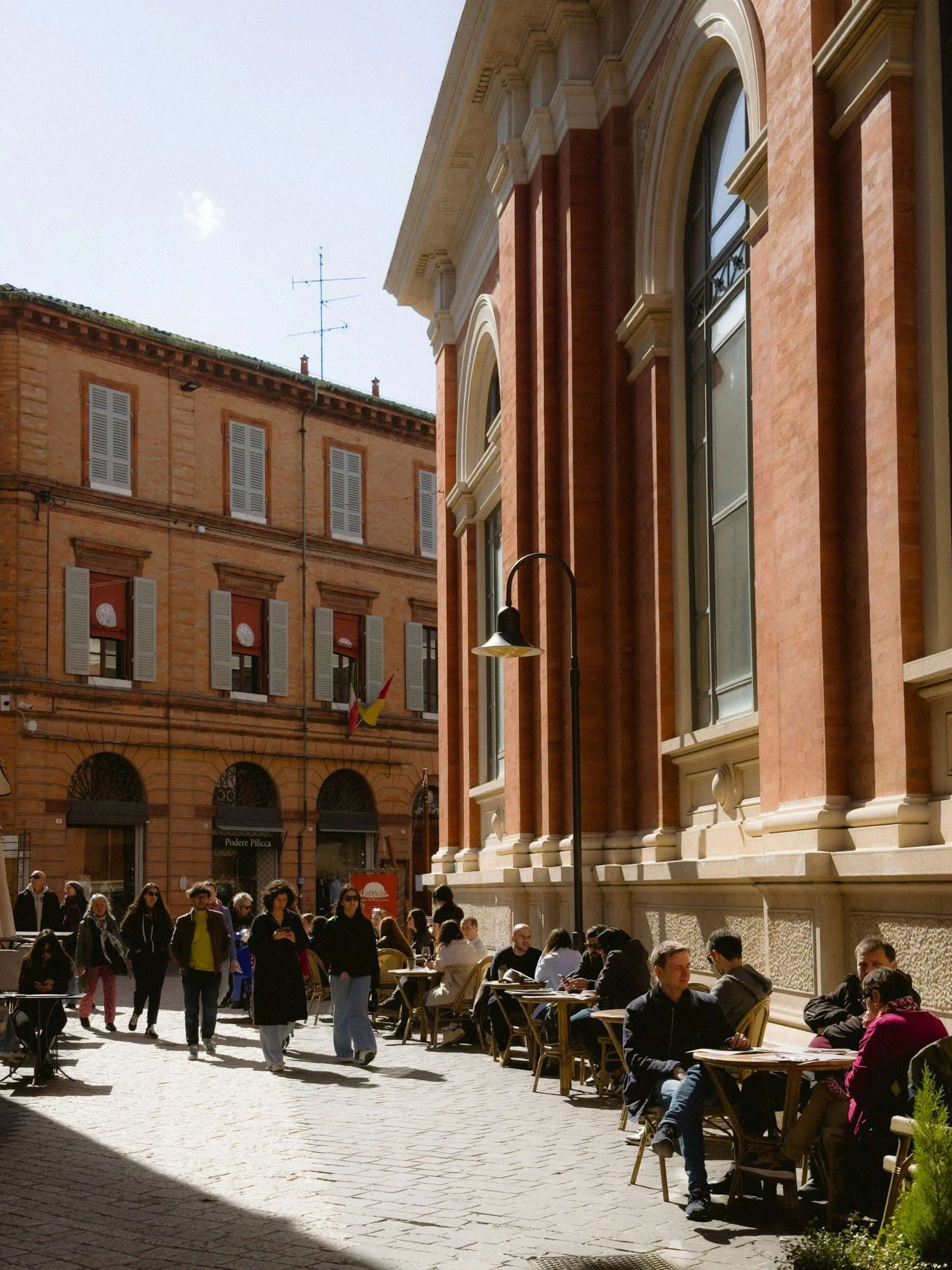
A 20-minute train can still take a decent chunk out of the day
The rail times between these cities are wonderfully short. Bologna to Modena can take around 18 to 30 minutes, Modena to Parma roughly 26 to 40, and Bologna to Parma around 47 to 70. That is why all three can look equally convenient when you are planning from a timetable.
The catch is everything around the train. In Modena, you are looking at roughly 15 minutes on foot between the station and the historic centre. In Parma, it is closer to 10 to 15 minutes for much of the centre. Bologna takes a little more patience. Piazza Maggiore is around 15 to 20 minutes from Bologna Centrale, and the station itself is much larger, so you need to allow for the time it takes to get through it rather than thinking only about the train departure on your screen.
That matters even more if you arrive or depart on a high-speed service. Bologna’s AV platforms sit deep underground, which can mean a fair bit of walking, escalators and time just getting from train to street level. I would not call the station difficult, but I also would not build a day around very tight connections there. A few extra minutes of buffer makes the whole thing less stressful.
Hotel location can change the picture just as much. If you stay well south of Bologna’s centre, you can easily add another long walk before every day trip. In Modena, staying outside the central area can undo much of the benefit of choosing the middle city in the first place. That is why the fastest train time is not the number I would use to decide where to stay. Door-to-door time is much more useful.
For a trip focused on Bologna, Modena, Reggio Emilia and Parma, Modena does have a real advantage here. The station is smaller, the centre is close enough to reach on foot, and you are not repeatedly starting from one end of the route. Bologna gives you more places you can reach; Modena can mean less faff on the days when you are simply moving up and down that one rail line.
I’d pay more attention to the last train I would comfortably want to catch than the final service of the night. If dinner starts around 7:30, I want time for the meal to run a little long, a relaxed walk back to the station and, ideally, another train behind the one I am aiming for. Having a train at 23:00 is not particularly useful if catching it means spending the second half of dinner watching the clock.
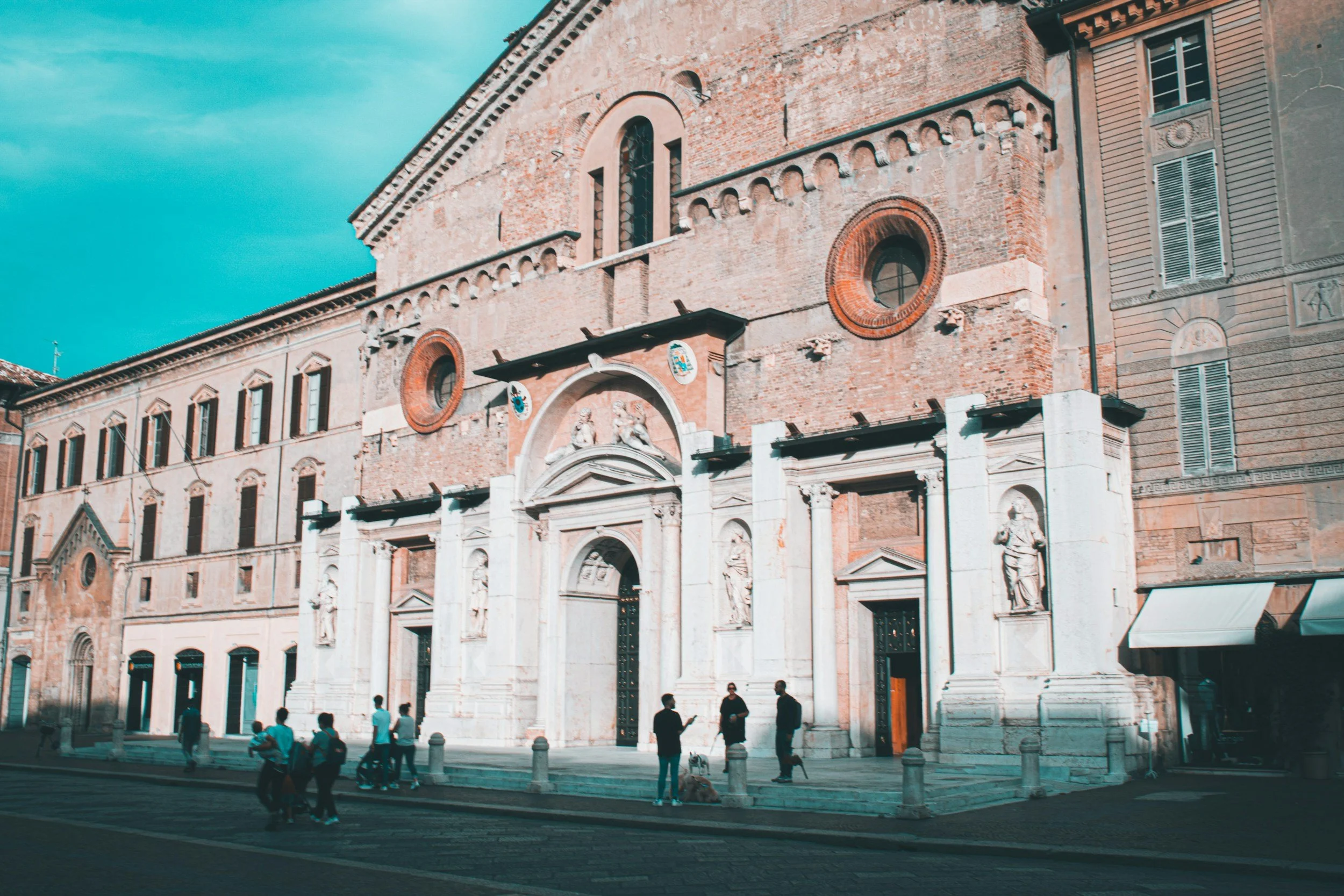
In case you’re carrying on traveling through northern Italy, I’ve also collected more towns that are easy to reach by train.
Bologna makes the whole trip easier
Bologna is the easiest choice when you want a bit of freedom in the itinerary. From here, Modena and Parma are straightforward to reach to the west, while Ferrara and Ravenna fit much more naturally into the same trip than they do from farther along the Via Emilia line. It also sits on the high-speed network towards Milan, Florence and Venice, which is useful if Emilia-Romagna is only one part of a longer trip.
Flying into Bologna Airport gives it another practical advantage. The Marconi Express links BLQ with Bologna Centrale, so you can get from the airport to the main railway station without first having to cross the city. I would still allow more time than the headline journey suggests, especially once you include waiting, walking and finding the right platform, but it is a simple arrival compared with staying elsewhere and adding another train straight after the flight.
I’d choose Bologna once Ravenna or Ferrara become part of the plan
This is where Bologna pulls ahead. You can still travel west to Modena and Parma easily enough, but the moment you want Ravenna or Ferrara as well, staying farther west starts creating extra work. Two eastern day trips would be enough for me to choose Bologna.
It is also the easiest fit if the trip starts or ends elsewhere in Italy. Arriving from Milan, continuing to Florence or Venice, or flying in and out of BLQ all sit more neatly around Bologna than around Modena or Parma. That does not make it the most appealing city in every case, but it does make it the one least likely to complicate the rest of the journey.
Don’t book next to the station just because you are using the station
The sweet spot is usually the northern half of the historic centre, somewhere along the station-to-centre stretch around Via Galliera or Via dell’Indipendenza. You stay close enough to Centrale for train days, but you are still properly in the city when you come back in the evening.
I would be more cautious about booking far south of Piazza Maggiore if you know you will be on the train most mornings. Areas around Santo Stefano can be lovely for a Bologna-focused stay, but the extra walk to Centrale becomes repetitive surprisingly quickly. Equally, I would not assume the streets immediately outside the station are the best choice just because they are closest to the platforms. Saving seven minutes in the morning is not much help if you would rather be somewhere else every evening.
Bologna is busier, and sometimes much more expensive
Bologna does come with a few annoyances. Centrale is big, getting from the platform to the street can take longer than you expect, and the centre is noticeably busier than Modena or Parma. I would also check the dates before booking a hotel, because the big trade fairs can send prices up very quickly.
But I would still rather be in Bologna on some of the awkward nights of the week. Come back from Ravenna at 8:30 on a Sunday and you have a decent chance of finding somewhere you genuinely want to eat, rather than choosing between the few places that happen to be open. The same goes for Monday, or for a day trip that runs later than planned. If I knew I was going to be getting on and off trains most days, I’d care quite a lot about having plenty of options when I got back.
If food is a big part of why you’re staying in Bologna, this guide on where to eat and what to try in Bologna will help you plan the city around it.
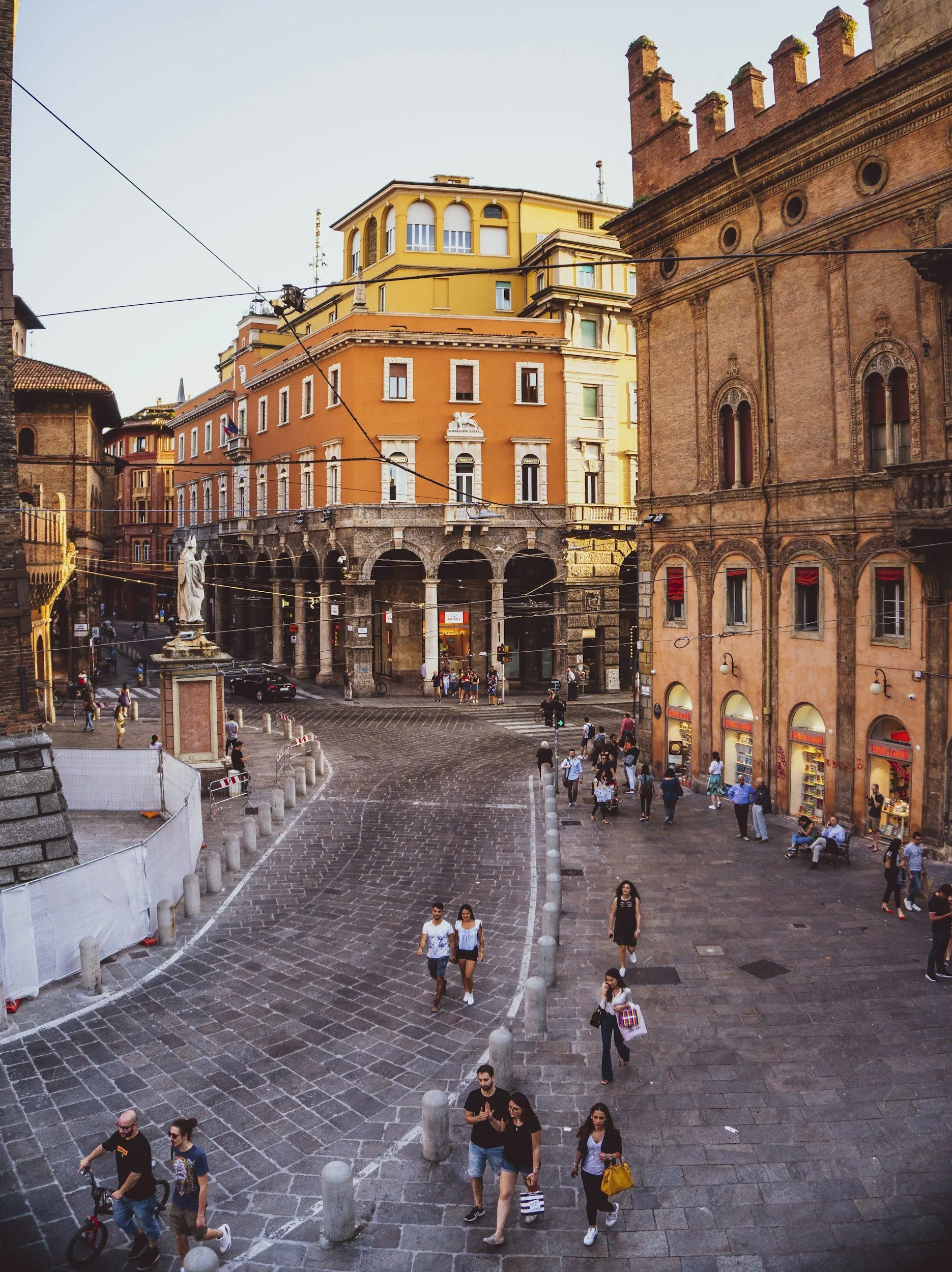
Modena is the strongest alternative to Bologna
If your trip is really about Bologna, Modena, Reggio Emilia and Parma, Modena starts to feel like the sensible place to stay rather than the slightly left-field option. Bologna is around 20 to 30 minutes away, Parma roughly 26 to 40, and Reggio Emilia even closer at about 11 to 20 minutes, so you are not spending the week travelling out from one end of the route and then coming all the way back again.
What helps just as much is that Modena is easy to use once you arrive. The station is small, the historic centre is around a 15-minute walk away, and the city does not make you work very hard to get from train to hotel to dinner. That makes a difference over four or five days. A morning train to Parma, an afternoon back in Modena and dinner in the centre feels very different from having to factor a much larger station and a longer walk into every rail day.
Mercato Albinelli is a good example of why staying here can be nicer than seeing Modena as a day trip. If you are already in town, you can go in the morning and fit the rest of the day around it, rather than arriving later and trying to squeeze the market, lunch and the centre into the same few hours.
For accommodation, I would keep the search fairly tight. Somewhere in the historic centre on the station side of Piazza Grande, around Piazza Roma, Via Ganaceto or the northern Centro Storico, gives you the best of both sides of the city: an easy walk to the station in the morning and a proper central location in the evening. I would not be tempted too far out just because a hotel is cheaper. Once you add a bus ride or a long walk before every train, you have lost a lot of the reason for choosing Modena in the first place.
Modena starts to lose its appeal once too much of the trip sits east of Bologna. If Ravenna and Ferrara are both on the plan, you are adding extra travel before you have even reached the places you came to see, and Bologna becomes the easier place to organise the week from. The same goes if you are flying into BLQ or carrying on south or east afterwards. Modena can fit beautifully into the middle of a trip, but it is not the easiest place to start or finish a wider one.
I would also be careful not to assume that staying in Modena suddenly makes the countryside simple without a car. Rural balsamic producers, Motor Valley stops and other places outside the city can still mean a shuttle, taxi or organised tour. The city works brilliantly for the rail corridor. The countryside is a separate problem.
For four or five nights between Bologna, Modena, Reggio Emilia and Parma, though, I think Modena is one of the smartest choices. You get shorter journeys in both directions, a smaller station and a city that is easy to come back to at the end of the day.
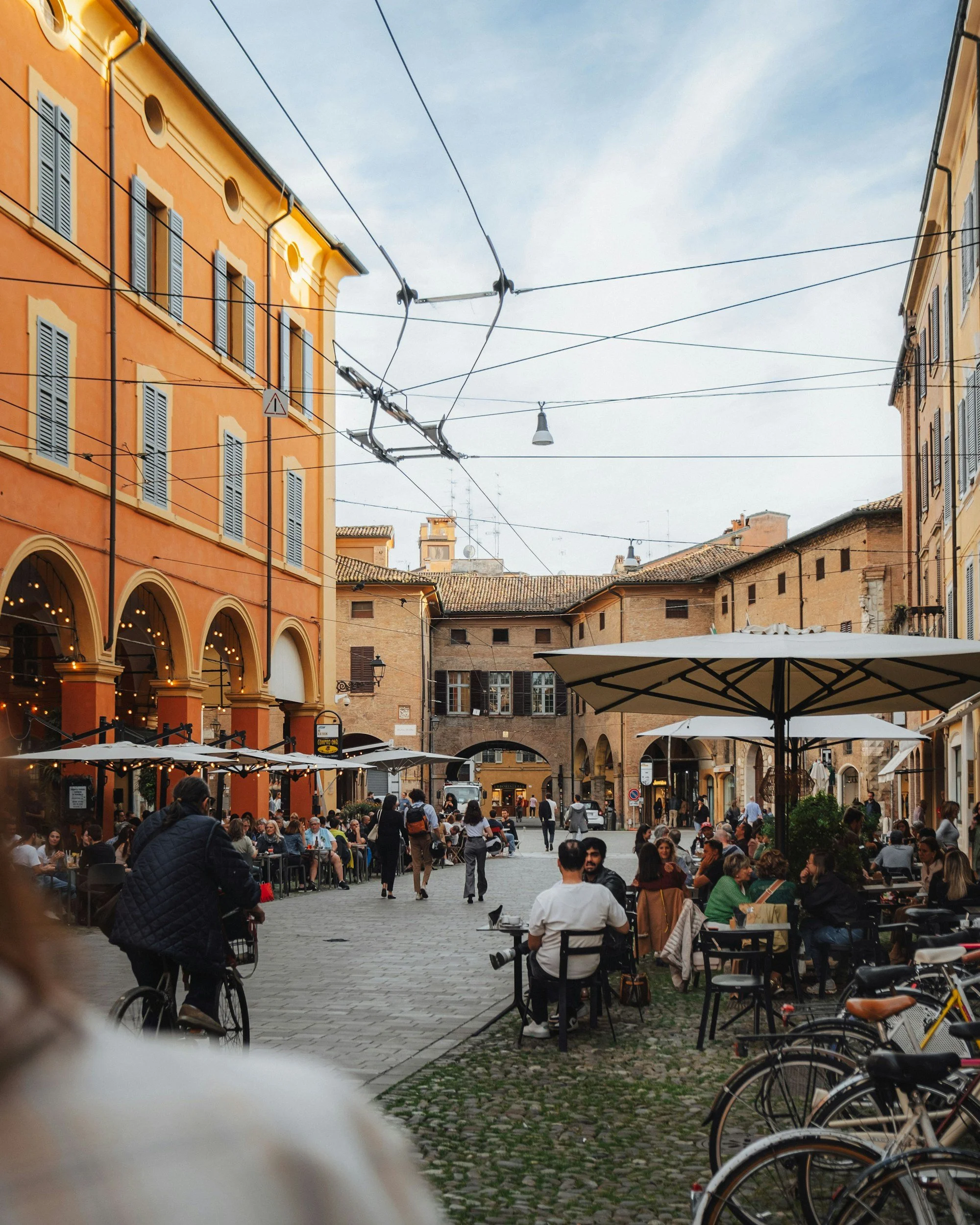
If Parma is one of the bases you’re considering, my Parma guide goes much deeper into the food, city and what it’s actually like to spend time there.
Parma makes sense when Parma is a big part of the trip
So, Parma is the one I would choose when I wanted to spend real time there, not simply because it sits on the same railway as Bologna and Modena. The station is close to the centre, so arrival is easy, and the city has enough to fill two days without any sense that you are stretching things. The cathedral, Pilotta, Teatro Regio, parks and food culture are all close enough together that you can settle into the city rather than treating it as a lunch stop with a train attached.
That is where Parma starts to make sense. If you want two days in the city, perhaps a producer visit outside town, and then one or two rail days elsewhere, I can see the appeal immediately. It also fits neatly into a trip coming from Milan or continuing west afterwards, because you are not travelling past Parma and then doubling back later.
For someone expecting Bologna-level choice every evening, Parma may feel quiet. For someone who likes smaller cities and is happy to give Parma more of the trip, that is much less of a drawback. The important thing is that you are choosing Parma because you want to be there, not because it happens to look well placed on a map.
I’d stay in the north-central part of town
For train days, I would look around Strada Garibaldi, Piazza Duomo and the northern part of the historic centre. That keeps the walk to the station fairly short while still putting you somewhere that feels central when you come back in the evening.
Piazza Garibaldi and Strada Farini are a little farther south, but I would still consider them if I expected to eat in Parma most nights. The extra few minutes on foot can be a good trade for being closer to more evening options.
I would choose Oltretorrente only if the stay was much more about Parma itself than about daily trains. It has a more residential feel, but you are farther from the station, so the location starts to make less sense if you know you will be leaving the city every morning.
The problem starts when too much of the trip sits east of Bologna
Bologna is around an hour away by train, which is fine for a day out. Ravenna is where staying in Parma starts to get awkward. The journey is generally more than two hours each way and usually involves a change, often taking you back through Bologna. Add the 10 to 15-minute walk from central Parma to the station, waiting for the connection and the walk into Ravenna at the other end, and you can easily spend four to five hours of the day just getting there and back. Once is doable. Add Ferrara as another eastbound day and I’d start wondering why I was sleeping so far west.
The food trips need more planning than the map suggests too. Parmigiano Reggiano dairies are scattered outside Parma, and being in the city does not mean you can simply hop on a train to one in the morning. Langhirano, in the hills south of Parma, is home to the Prosciutto di Parma Museum and sits right in prosciutto country, but there is no train there. You need to coordinate the bus from Parma with the museum or producer opening times, arrange a taxi, or book somewhere that offers a pickup. At the time of this research, the museum was also operating limited weekend opening, which is exactly the sort of detail I would check before building a day around it.
So a Parma stay could look more like two days in the city, one pre-arranged dairy or prosciutto day, and perhaps a train day in Modena, rather than trying to use Parma for everything from Ravenna to Ferrara. It also slots nicely into a trip arriving from Milan or continuing west afterwards. If I had Ravenna, Ferrara and several days east of Bologna scribbled into the same itinerary, though, I’d sleep farther east and visit Parma from there.
If Parma is starting to look like more than a day trip, this guide on why Parma is worth staying for is a good place to go next.
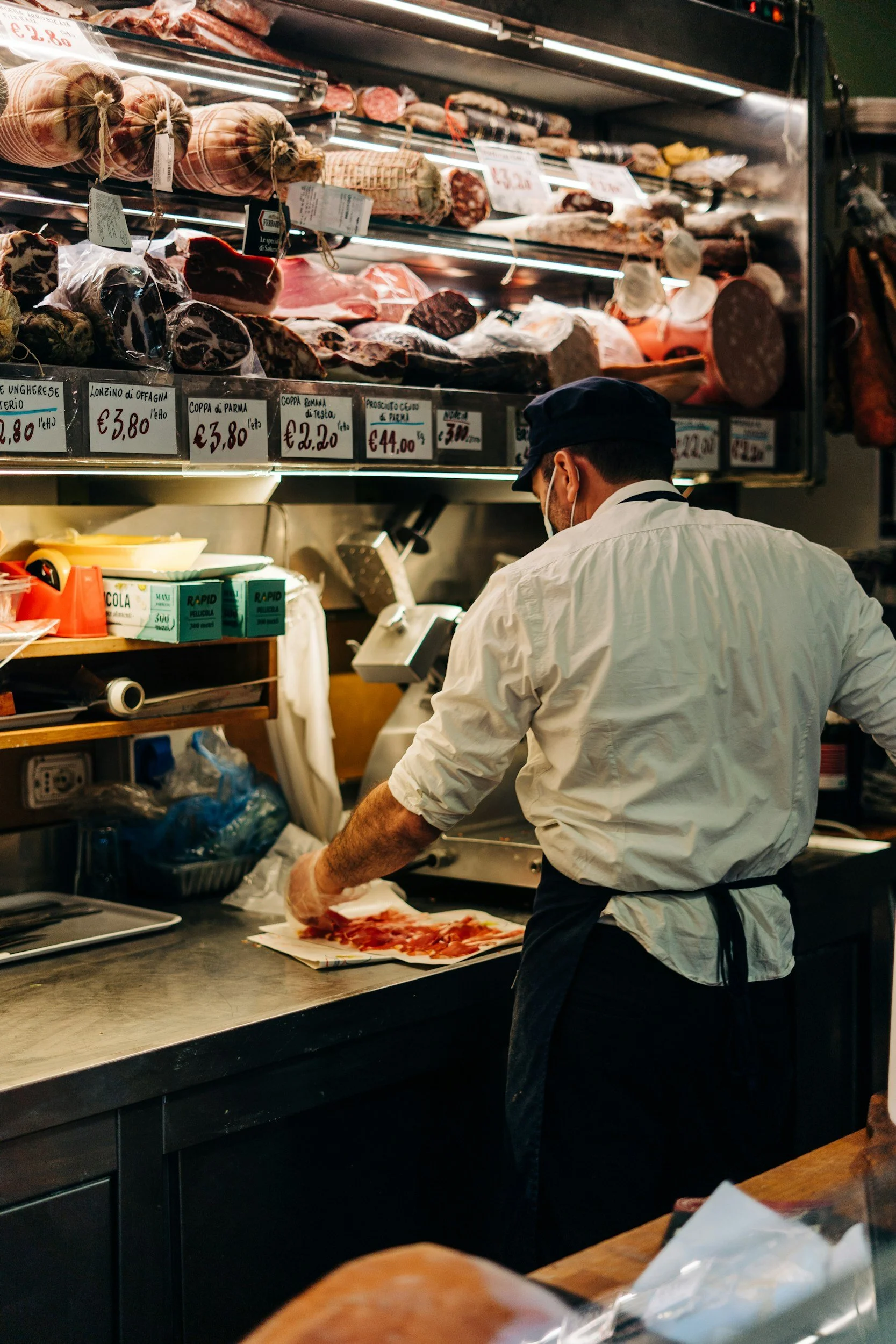
The famous food experiences are where the easy rail trip starts to unravel
Getting between Bologna, Modena and Parma by train is the simple part. The moment you start planning dairies, ham producers, rural acetaie or Motor Valley stops outside the cities, the trip needs more organisation.
Modena shows the difference quite clearly. The Enzo Ferrari Museum is close enough to the station to reach on foot, so it slips easily into a train day. The Ferrari Museum in Maranello is different. There is an official scheduled shuttle linking Modena station, the Enzo Ferrari Museum and Maranello, which makes it possible without a car, but you are working around fixed departures rather than deciding on the day when you feel like going.
Balsamic vinegar has the same split. A tasting in central Modena is easy to fit around lunch, the market or a train. A rural acetaia may be several kilometres outside town with no useful rail connection at all, which can leave you relying on a taxi, a pickup arranged with the producer or a tour. If visiting an acetaia is one of the main reasons for the trip, I would choose the producer first and then check the transport, rather than assuming that staying in Modena solves it.
Parma needs the same amount of care. Parmigiano Reggiano dairies and Prosciutto di Parma producers are scattered across the province, and Parma Welcome recommends contacting producers and reserving visits in advance. Many of these visits are timed, often earlier in the day, so a bus that looks possible on paper is only useful if it gets you there before the visit starts and still gives you a way back afterwards. Depending on the producer, the realistic options may be public bus, taxi, arranged pickup or an organised tour.
That is also why I would not choose Parma purely because a dairy or ham producer is geographically closer to it. If the visit you want includes pickup from Bologna, Bologna may still be the easier place to sleep. The practical question is not which city sits nearest on the map. It is how you are getting from your hotel to the producer at the time they expect you there.
This is one of the situations where I’d be quite happy to pay for a tour. In central Modena, I wouldn’t bother. You can reach tastings and museums easily enough on your own. But a dairy outside Parma, a prosciutto producer or a rural acetaia is a different story. If the choice is between organising an early bus around a fixed appointment and then working out how to get back afterwards, or being picked up and taken there, I’d take the easy option.
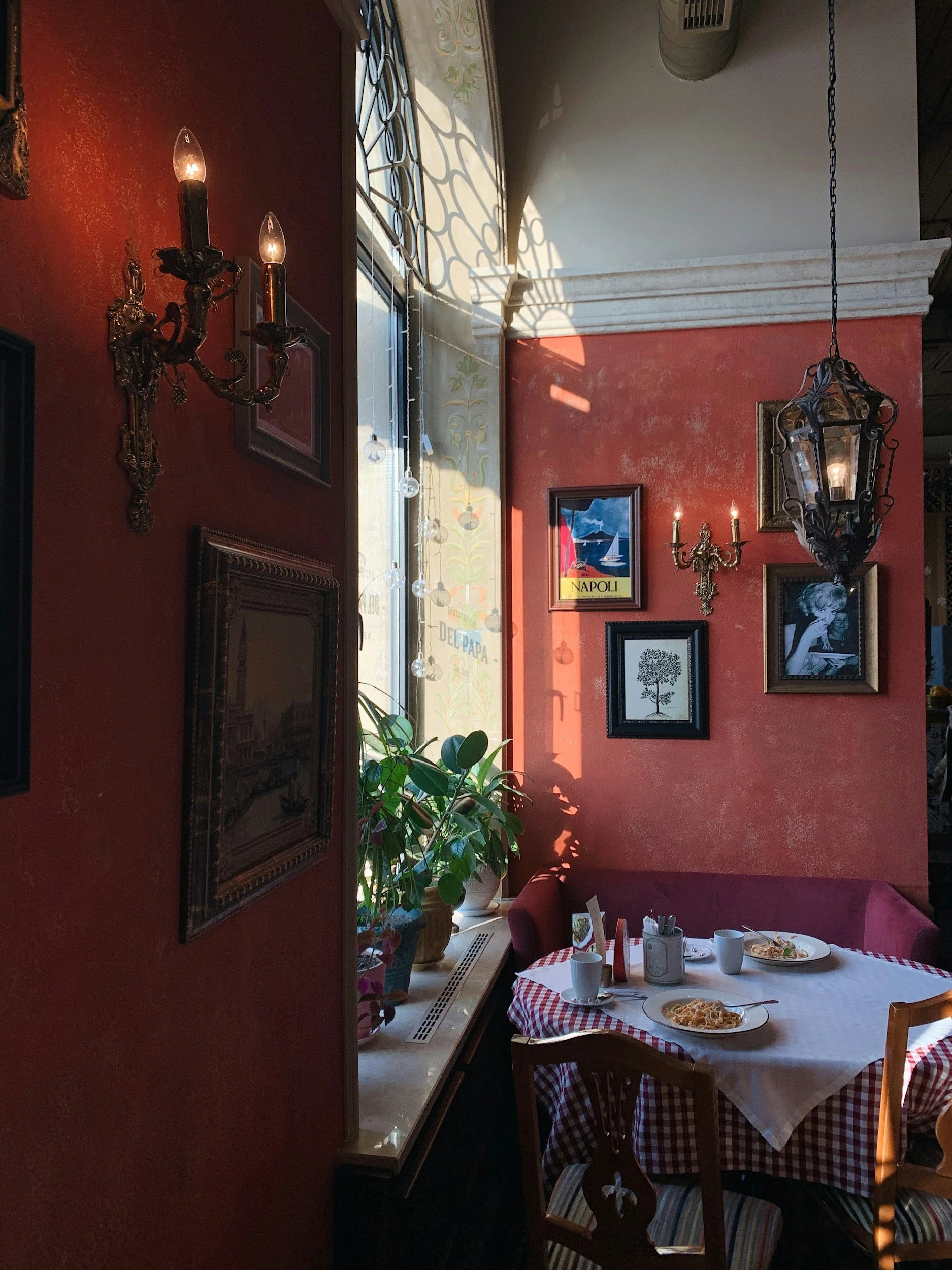
Choose the city where you want to have dinner
When Bologna and Modena both seem practical, I would decide based on the part of the day that most transport guides barely mention: the evening. It is easy to look at a 25-minute train and think the choice barely matters, but dinner often starts around 19:00 or 19:30, and suddenly that return journey becomes part of the meal.
Say you spend the day in Modena but sleep in Bologna. Lunch is easy. Dinner is where you need to think ahead. If you sit down at 19:30, order a couple of courses and finish around 21:00, you still need time to walk back to the station and catch a train with another service behind it in case the first one goes wrong. I would never make the last train of the night the whole plan. Current listings vary by day and source, so I would check the timetable again close to the trip rather than assuming an old schedule still applies.
That is why I would usually make lunch the main meal on day trips and eat dinner where I am staying. In Bologna, that gives you the most flexibility, especially on a Sunday or Monday when smaller cities can have fewer options. In Modena, the evening feels more compact. You can get off the train, walk back into the centre and be at dinner without another long slog across town. Parma is quieter again, which works very well if you came because you wanted Parma itself, but less well if you expect Bologna’s range every night.
The morning can tip the decision too. Mercato Albinelli is a good example. If you sleep in Modena, you can go in the morning before the rest of the day gets going, then catch a train later. If you arrive from Bologna closer to lunchtime, you are trying to fit the market, lunch and the city into the same few hours. That is a very different experience from simply waking up there.
So I would not move hotels every night just to eat in each city. I would choose the place where I am happiest spending most of my evenings, then use lunch for the places I am visiting by train. It makes the whole trip feel much less tied to the clock.
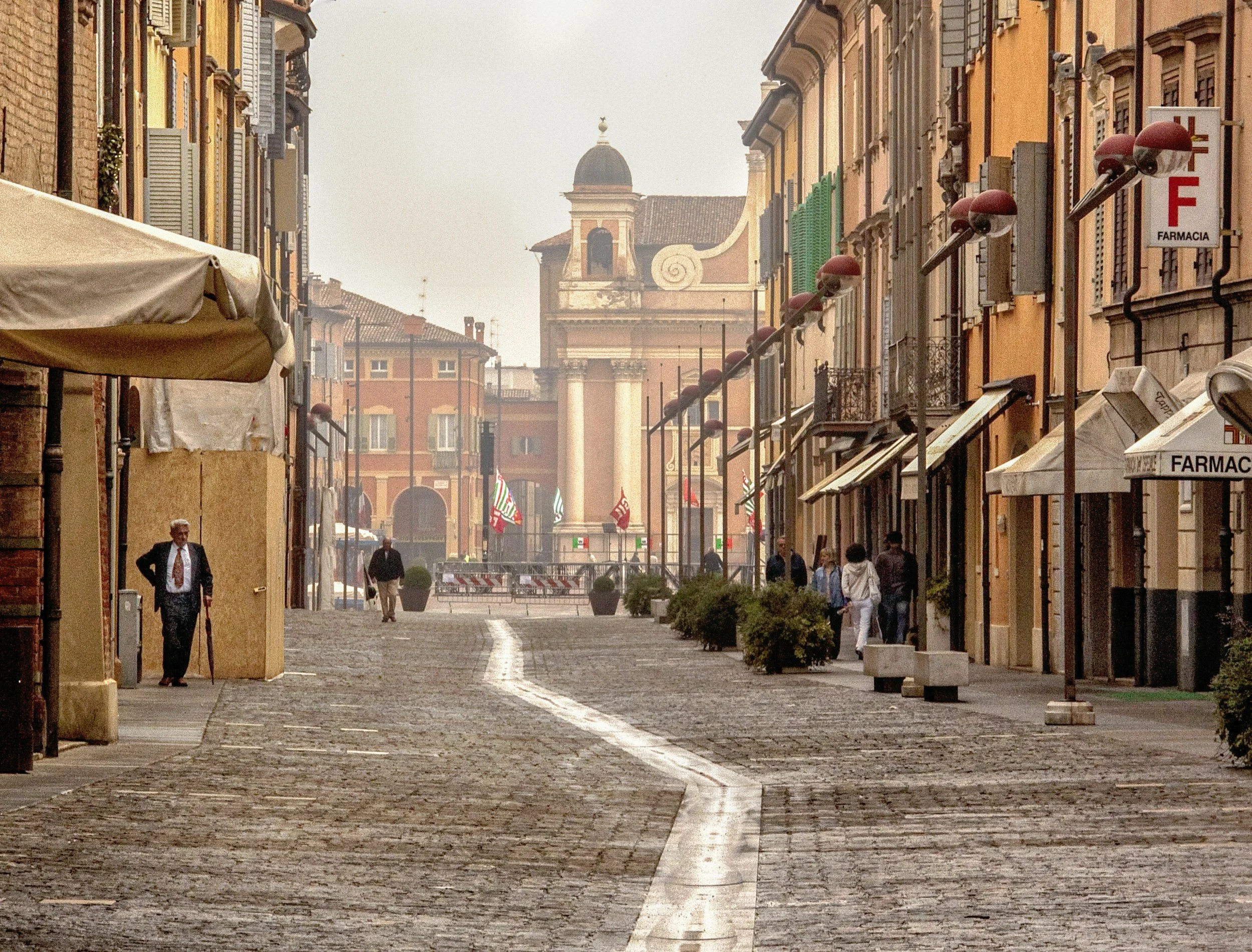
One place to stay is enough, until it starts eating into the trip
For a short trip, I would keep the hotel situation simple. Changing cities every night can look efficient on a spreadsheet, but in real life it means packing, checking out, finding luggage storage, checking in again and losing bits of the day to admin you did not come to Emilia-Romagna for.
Two or three nights
With only two or three nights, I’d stay in Bologna and pick either Modena or Parma for one day trip. Trying to squeeze all three in is technically possible, but it turns the trip into a sequence of train times and short visits.
I would rather spend one day properly in Bologna, one day elsewhere, and still have enough time to sit down for lunch without mentally calculating the walk back to the station. Three cities in three days looks impressive on paper. It is not how I would want to travel.
Four or five nights
At four or five nights, Modena becomes much more tempting. If the trip is mainly Bologna, Modena, Reggio Emilia and Parma, staying in Modena spreads the rail journeys out nicely and gives you somewhere smaller to come back to in the evening.
Bologna still has the edge if it is your first trip, if Ravenna or Ferrara are on the list, or if you know you are the kind of traveller who keeps adding places once you arrive. But I would still resist moving hotels unless there is a real reason. One night in Parma can be lovely if you want dinner there, a quieter morning, or an early producer visit the next day. Moving just because “it might save time” often does the opposite.
Six or seven nights
This is where I would stop being stubborn about staying in one place. If the trip stretches from Parma in the west to Ravenna or Ferrara in the east, you can end up spending several days crossing the same stretch of railway simply because you decided at the start that unpacking once was somehow more sensible.
That is when changing hotels once can improve the trip. Bologna and Parma work well if you want more time in the western and central part of the region. If the trip leans farther east, Bologna plus Ravenna can be a much nicer split than travelling back and forth across half the region every day.
I would only move when the saving is obvious. If staying put means two or three days where the full door-to-door journey is around 90 minutes or more each way once you include station walks and connections, I would change cities once and be done with it. Otherwise, I would unpack, put the suitcase away and enjoy not touching it again for a few days.
You might also want to look at more Emilia-Romagna towns you can reach by train if you’re still deciding how far to stretch the trip.
Before you book, check these three things
By this point, the choice usually comes down to three things: where your longest day trips sit, how far your hotel is from the station, and what is happening in town on your dates.
Start with the itinerary you have ended up with, rather than the one you thought you were going to have. I would literally save all the places I am serious about visiting on Google Maps and see where they fall. If most of the pins sit between Bologna and Parma, Modena suddenly looks very well placed. If Ravenna and Ferrara are both sitting there too, I would stop trying to make Modena work and book Bologna.
Then check the exact hotel, because “central Bologna” or “central Modena” tells you surprisingly little about how convenient your mornings will be. I would map the walking route from the front door to the station and look at the real time rather than the distance. Personally, I would happily walk an extra five or ten minutes for a hotel I preferred, but I would think twice about adding 20 or 25 minutes before every train, especially in July with luggage or after a late dinner the night before.
I would also zoom right in on that walking route. A hotel can look brilliantly placed until you realise the station is on the opposite side of the centre from everywhere you want to spend your evenings. In Bologna, I would rather find the middle ground between Centrale and the historic centre than sleep directly outside the station purely to save a few minutes in the morning.
Then compare the same dates in Bologna, Modena and Parma. I would never assume Modena or Parma will automatically be cheaper because they are smaller. A fair, festival or trade event can change room prices quickly, and sometimes the city you had mentally ruled out ends up giving you the better hotel for the same money. I would check the local event calendar at the same time, particularly before booking a non-refundable rate.
And one final thing I would look at before paying is the itinerary on the arrival and departure days. If you land at BLQ in the evening and fly home from there early in the morning, that pushes Bologna further up my list. If you arrive by train from Milan, spend several days around Parma and then continue west, I would be much less interested in dragging myself to Bologna simply because it is supposed to be the obvious choice.
If I were booking a first trip and still had a few blank spaces in the itinerary, I would choose Bologna. If I opened my map and everything I had saved sat neatly between Bologna, Modena, Reggio Emilia and Parma, Modena is the one I would look at very closely before paying for anything. And if I kept finding reasons to give Parma another day, I would take the hint and stay there rather than trying to squeeze it into a day trip.
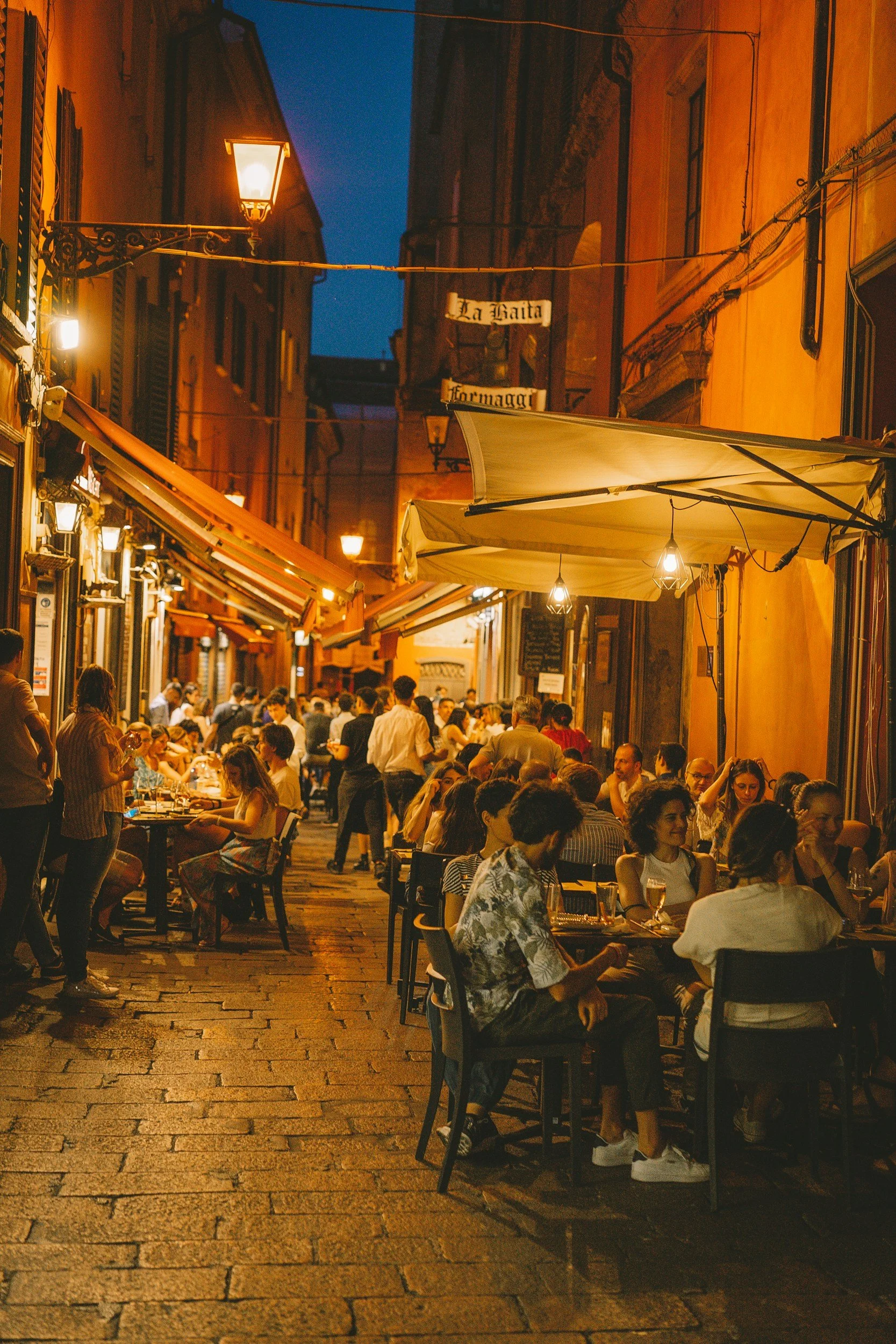
FAQs about Emilia-Romagna
Is Bologna or Modena better without a car?
For most first trips, Bologna is easier, especially if Ravenna or Ferrara are part of the plan. Modena becomes more practical when the whole trip stays between Bologna, Modena, Reggio Emilia and Parma. In that case, you are sitting closer to the middle of the route instead of travelling out from one end of it every day.
I would also choose Modena over Bologna if I knew I wanted a smaller city in the evening and had no intention of heading into Romagna.
Can you visit Bologna, Modena and Parma by train without changing hotels?
Yes, and for a three- to five-night trip I usually would. The direct trains are short enough that changing hotels is more trouble than it saves.
The point where I would reconsider is around six or seven nights, especially if the trip also includes Ravenna or Ferrara. Once you have several days involving long journeys in opposite directions, staying in one place starts becoming a rule you are following rather than something that is helping you.
Can you visit Parmigiano Reggiano, balsamic vinegar or Ferrari producers without a car?
Sometimes, but this is the part of the trip that needs the most planning.
Central Modena is easy for tastings, Mercato Albinelli and the Enzo Ferrari Museum. Maranello is possible using the scheduled Ferrari shuttle. Rural balsamic producers are more variable and may require a taxi, pickup or organised tour.
Around Parma, dairies and prosciutto producers are scattered across the province. Langhirano has no train station, so a visit there means coordinating buses, arranging a taxi or booking something with transport included. I would choose the producer first and work backwards from there rather than assuming the nearest city automatically gives you easy access.
Is Parma worth staying overnight if Bologna is still the main place I stay?
Yes, but only when the overnight gives you something useful. I would consider it if you want dinner in Parma, a slow morning there, or an early dairy or prosciutto visit the following day.
I would not move hotels just to turn a day trip into a one-night stay. For four or five nights, that usually creates more admin than benefit. Parma deserves an overnight when Parma itself is part of the reason for the trip.
Is August a bad time to stay in Modena or Parma?
Not necessarily, but I would check more carefully before booking. Smaller independent businesses and producers can have more visible holiday closures around Ferragosto, and that matters more in Modena or Parma because there are fewer fallback options than in Bologna.
I would check the places that matter to you before paying for a non-refundable room, especially markets, producer visits and restaurants you specifically want to visit. The same caution applies during major fairs and festival weeks, when room prices and availability can shift quickly.