
Northern Iceland deserves more than a drive-through
Most first-time visitors to Iceland stick to the south - the Golden Circle, Reykjavik’s nightlife, and the famous Blue Lagoon. But those who wander north soon realise they’ve stepped into an entirely different Iceland. Here, the pace changes. There are fewer tour buses and more tractors. You can drive for an hour without seeing another car.
You fly into Akureyri, pick up a car, and within a short drive you’re already out of town. No traffic, no real rush to get anywhere. You just… keep going until something makes you stop.
That’s kind of how the whole trip works up here.
You don’t move quickly between “must-sees.” You drive, pull over, walk a bit, maybe stay longer than you planned somewhere, and by the end of the day it feels like enough.
If you try to plan it too tightly, it doesn’t really work.
Why the North Feels Different
You notice it pretty quickly.
You leave Akureyri, drive for a bit, and then there’s just… space. Fewer cars, longer stretches between places, and no real pressure to get anywhere fast.
The towns are small. Not in a charming, curated way, just genuinely small. You can walk across most of them in ten minutes without trying. A café, a petrol station, maybe a harbour, and that’s about it.
Even in summer, it doesn’t feel busy in the way the south does. You’re not waiting for parking spots or standing in line for viewpoints. You stop when you want to, and most of the time there’s no one else there.
The landscape feels more open too. Lava fields that run into farmland, quiet stretches of coast, fjords that cut in without much warning. It’s not dramatic all the time, but it stays with you more.
How to Plan a Trip Here
You don’t need a detailed plan for the north. It actually works better if you don’t.
Rent a car, pick a couple of areas, and stay there for a few nights instead of moving every day. Most of the time, the better stops aren’t the ones you’ve planned anyway.
The Ring Road (Route 1) runs through everything, but you’ll end up turning off it a lot. Smaller roads, random pull-offs, places that don’t really show up on maps.
Give yourself at least 4–5 days, more if you can. Not because there’s so much to “do,” but because things take longer in a good way. You drive slower, stop more often, and the days don’t feel rushed.

Lake Mývatn: Volcanic Drama Meets Stillness
Lake Mývatn sits up in the north-east, about an hour’s drive from Akureyri, and it’s one of those places that feels like two worlds at once. You’ve got steam puffing up from the ground, hot mud bubbling away, and jagged black lava formations that look like they were dropped there by some giant hand. Then there’s the lake: still, glassy, and completely calm, like it’s not paying any attention to the drama around it.
It’s a big spot for birds too. The name means “midge lake,” which sounds off-putting until you see how alive the place is in summer: the insects bring in rare ducks you don’t see anywhere else in Europe. Even if you’re not a birder, it’s hard not to notice the life here.
You don’t need a big plan. The south shore has easy little walks past wetlands and odd-shaped craters (they’re “pseudocraters,” made by steam blasts rather than actual eruptions). Dimmuborgir, just nearby, is a jumble of lava towers and caves that Icelanders say are home to trolls - fun to wander through with no set route. If you feel like stretching your legs, climb up Hverfjall. It’s only about 20 minutes to the top, and you get a full sweep of the lake and lava fields from the rim.
If you want a soak, skip the southern tourist spas and head for Mývatn Nature Baths. The water’s that pale blue you see in the postcards, but the setting’s quieter, and the view over the lava fields makes it feel like you’re part of the scenery instead of just looking at it.
And before you leave, try the local rye bread, rúgbrauð. They bake it in the hot ground for 24 hours, and it comes out dark, sweet, and dense. You can get a warm slice with butter at the café by the baths - simple, but so good you’ll be thinking about it on the flight home.

Reykjahlíð: Hot Springs With a Village View
Reykjahlíð is the little village right on the edge of Lake Mývatn, and it’s exactly the kind of place you want as a base for a few days. There’s a tiny supermarket, a couple of cafés, and views across the water to those surreal lava stacks - nothing flashy, but it has everything you need.
Just outside the village, you’ll find the Mývatn Nature Baths (worth mentioning twice because they’re the heart of the area). Late afternoon is the best time: the light gets softer, and you might have whole sections of the pool to yourself. It’s not as fancy as the Blue Lagoon, but that’s the point: fewer bus tours, more locals, and a feeling that you could happily lose a few hours here without noticing.
If you’re more into natural hot springs than man-made pools, there are a couple of wilder spots within a short drive - some with just enough space for two people to sit and watch the steam rise against the hills. Always check the temperature first (Icelandic hot springs can be really hot) and stick to those that are known to be safe.
The village bakery is worth a stop in the morning for cinnamon buns and strong coffee. Take them down to the lake’s edge and you’ll probably have the place to yourself, aside from the odd duck or two. It’s those small, cozy moments that make Reykjahlíð feel like more than just somewhere to sleep.
Húsavík: Whale Watching Without the Rush
Húsavík is a small harbour town on the north coast and one of the best places in Europe to see whales. In summer, humpbacks and minke whales pass through, and sometimes you even get orcas. The difference here is the pace: the tours are often on smaller boats, the crews actually know the animals by sight, and there’s no conveyor-belt feel to the experience.
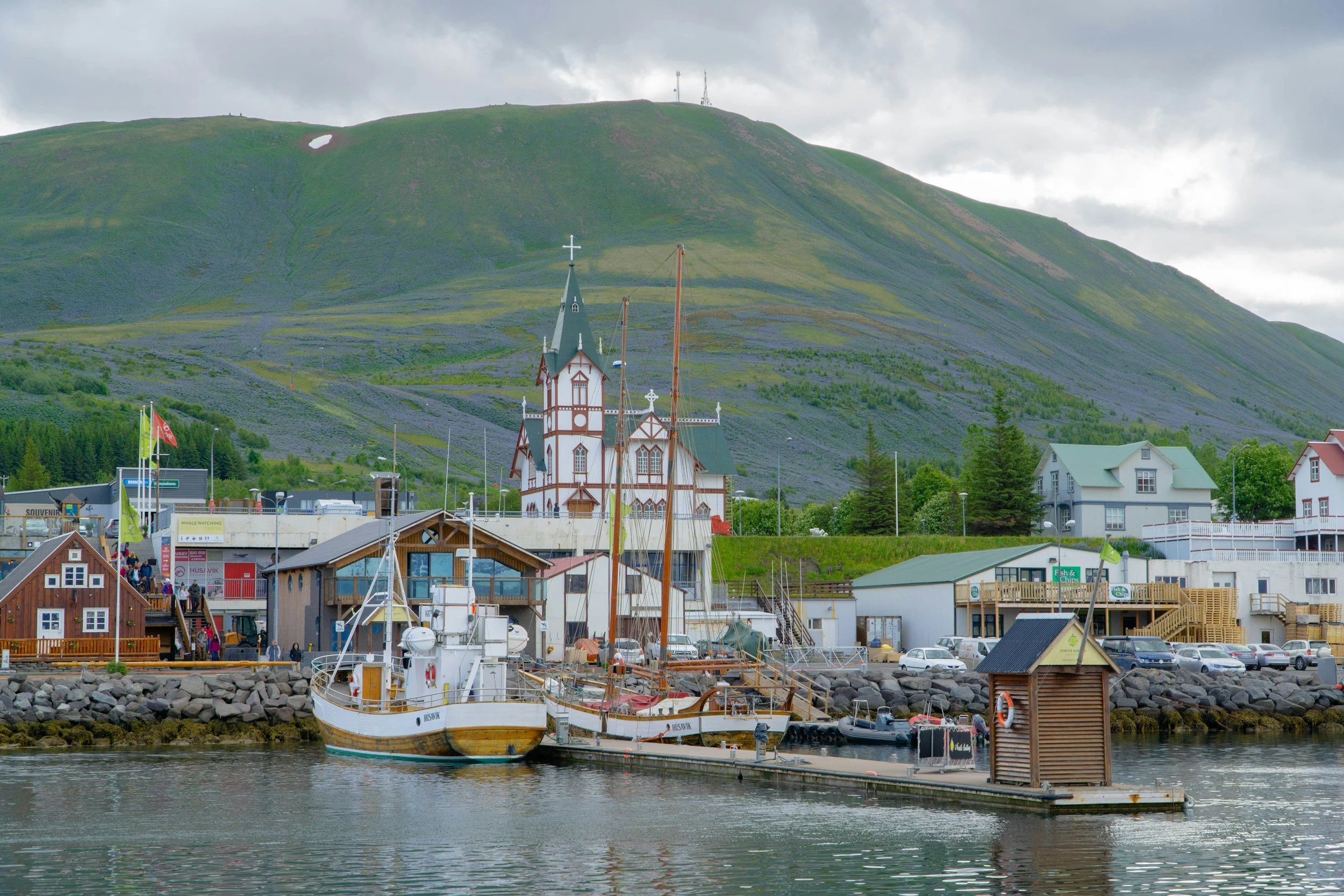
If you’re here outside the high summer months, you’ll still get that calm harbour charm. The wooden houses are painted in cheerful colours, there’s usually a fishing boat or two unloading their catch, and the air smells faintly of the sea. The Húsavík Whale Museum is worth a visit whether or not you go out on the water. It’s quiet, well put together, and gives you a better sense of the relationship between the town and the ocean.
Lunch spots lean simple - fish soup, fresh bread, maybe a slice of rhubarb cake. If it’s a clear day, take it outside and sit by the harbour wall. There’s no better place to watch the fishing boats come and go.
If you love the feel of small harbour towns, you might also enjoy our guide to the Faroe Islands - another North Atlantic spot where fishing culture and dramatic landscapes meet.
The Arctic Coast Way: Iceland’s Quiet Edge
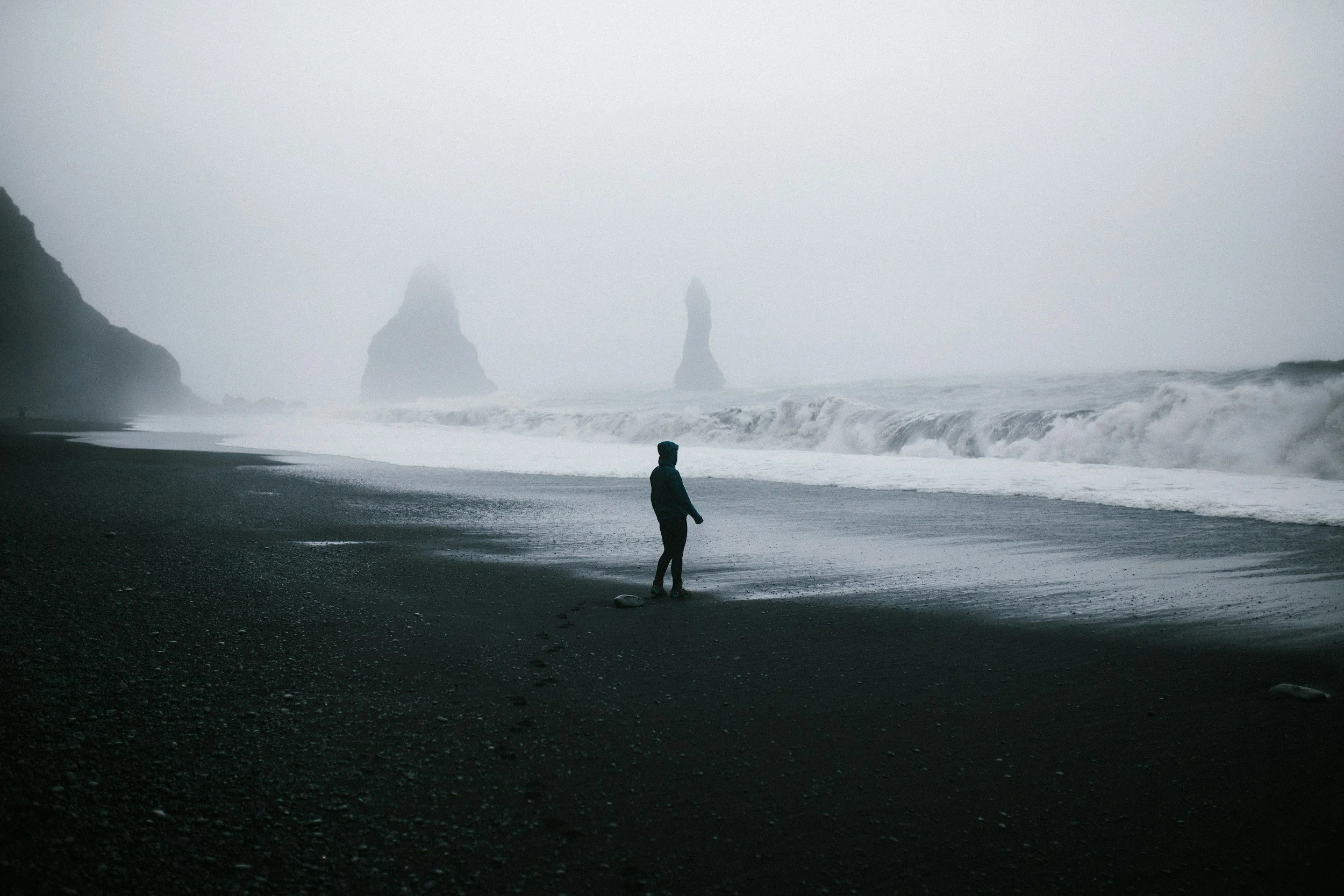
The Arctic Coast Way is a 900 km driving route that runs along the very top of Iceland. You don’t need to do the whole thing to get a taste - even a short stretch feels wildly remote. This is where steep mountains slide straight into the sea, fishing villages cling to narrow strips of flat land, and the beaches are more likely to be black shingle than white sand.
Siglufjörður, once Iceland’s herring capital, is a favourite stop. The old herring factory has been turned into a surprisingly good museum, and the harbourfront cafés serve some of the best fish and chips in the country. A little further along, Hofsós has a public swimming pool that’s built right into the cliffside, with views across to the islands. It’s the kind of place you’ll want to linger for a couple of hours, just watching the light change over the water.
Driving here in the off-season means you can pull over whenever something catches your eye, like a waterfall tumbling into the ocean, a cluster of turf-roofed houses, or just a particularly good view down a fjord with nobody else in sight.
If you’re planning to continue through the region, there are also some great restaurants and cafés with views across Scandinavia worth building into your route - especially if you like combining drives with long, exclusive lunches.
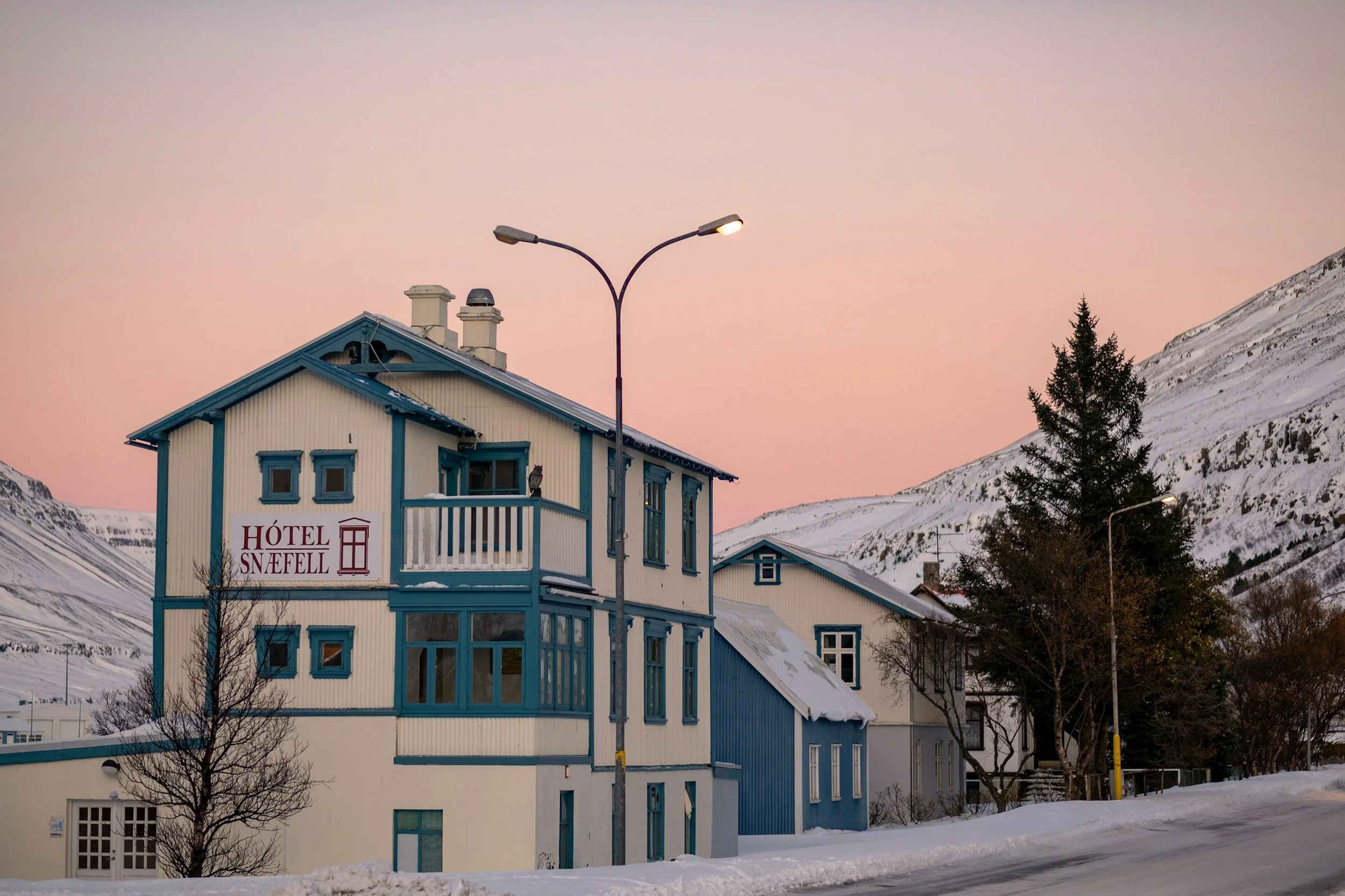
Siglufjörður
Ásbyrgi Canyon: Nature’s Calm Cathedral
In Vatnajökull National Park, Ásbyrgi Canyon feels different to much of Iceland. Instead of bare rock and wind, it’s green and sheltered, with birch trees and a still pond at the centre. The cliffs curve into a perfect horseshoe, and local legend says it was made by a hoofprint from Odin’s eight-legged horse. Whether you believe the story or not, the shape is impressive.
There are a few walking trails inside the canyon, all fairly easy and quiet. The Botnstjörn pond is a favourite spot: it’s surrounded by cliffs, and on calm days the reflection is so perfect it looks fake. If you can, come in the early morning or late afternoon when the light is soft and there’s a good chance you’ll be alone.
It’s also a good picnic spot - just pack something from a local bakery before you set off, because there’s nowhere to buy food once you’re here.
Staying in Northern Iceland: Why Remote Wins
Accommodation in this part of Iceland ranges from simple cabins to small, family-run guesthouses. The appeal is always the same: space, quiet, and views that make you forget about checking your phone.
A cabin near Vaðlaskógur puts you close to both Akureyri and some beautiful forest walking trails - not common in Iceland. Many have outdoor hot tubs, and if you’re lucky with the timing, you can watch the Northern Lights from the water. The Forest Lagoon is nearby too, with warm pools surrounded by pine trees: a completely different feel from the more open-air hot springs.
Booking in the off-season usually means better prices and more choice, but it’s worth reserving ahead anyway - small places can book out with just a few guests.
If you’re travelling further across the Nordics, this guide to stays in Sweden has a similar feel - quiet locations, simple cabins, and places where you can properly switch off for a few days.
Looking for another peaceful island escape?
The Azores Travel Guide covers Portugal’s mid-Atlantic islands, where hot springs, crater lakes, and volcanic coastlines are just as spectacular, but with a completely different character.
If you’re trying to turn this into a real trip, keep it simple.
Start in Akureyri, rent a car, and pick one or two areas to base yourself in. Mývatn works well if you want geothermal landscapes and easy day trips. Húsavík if you want the coast and time by the water. Somewhere along the Arctic Coast Way if you want longer drives and fewer people.
Don’t try to see everything.
Plan one main stop per day, maybe two, and leave the rest open. You’ll end up stopping more than you expect anyway, and those are usually the parts that stay with you.
Distances look short on the map, but the roads slow you down in a good way. Weather changes, light shifts, and you don’t move through the day as quickly as you think you will.
Where to Stay in Northern Iceland
Where you stay up here matters more than you think.
Not because there are “better hotels,” but because once you’ve driven a bit during the day, you don’t really want to keep moving in the evening. It gets dark, the roads are quiet, and you just want to be somewhere that feels easy.
It’s usually better to pick one or two bases and stay put for a few nights instead of changing places all the time.
Akureyri: Good First Night, Then Move On
If you’re flying in, you’ll probably stay in Akureyri at least once.
It’s small enough that you don’t need to plan anything. You can walk down to the harbour, find somewhere for dinner without looking it up, and just ease into the trip.
Places like Hotel Kea are right in the centre, so everything is outside your door. If you’d rather have a bit more space, there are smaller hotels just outside town with views over the fjord.
You don’t need to stay here long. One night, maybe two.
If you’re travelling further across the Nordics, this guide to stays in Sweden has a similar feel - quiet locations, simple cabins, and places where you can properly switch off for a few days.
Mývatn / Reykjahlíð: The Place You’ll Be Glad You Stayed Longer
This is where it starts to feel right.
Reykjahlíð isn’t a place you go to “explore.” It’s just a small village by the lake with a shop, a petrol station, and a couple of places to eat. But it works as a base.
You wake up, step outside, and you’re already in it. No driving needed to get that first view of the lake or the steam in the distance.
Vogafjós is one of those places that just makes sense. Nothing fancy, but you’re close to everything and it feels easy. Fosshotel Mývatn is a bit more designed, but still quiet enough that it doesn’t feel like a resort.
Evenings are slow here. That’s when you realise why staying nearby matters.
Húsavík: Stay for the Harbour, Not Just the Whales
A lot of people just come to Húsavík for whale watching and leave again.
It’s better if you stay a night.
The harbour is small, the houses are painted in soft colours, and there’s not much going on, which is exactly why it works. You walk down, sit somewhere, maybe have dinner, and that’s kind of the evening.
Places around the harbour are easiest. You don’t need anything fancy here, just somewhere you can walk back to without thinking.
The Arctic Coast: If You Want It Really Quiet
If you want that feeling of being a bit removed from everything, stay somewhere along the coast, around Siglufjörður or further along.
This is where it gets properly quiet. Fewer people, longer stretches between places, and evenings where you don’t hear much at all.
You’ll mostly find small guesthouses or cabins rather than hotels. Nothing overdesigned, just somewhere to stay where the view does most of the work.
It’s not the most practical option, but it’s probably the one you’ll remember most.
Across the Fjord from Akureyri: Easy but Still Quiet
If you don’t want to go too far but still want space, look across the water from Akureyri around Vaðlaskógur.
It’s only a short drive, but it feels different. More trees, fewer people, and places that are a bit more spread out.
There are cabins here where you can sit outside in the evening, maybe with a hot tub, and just stay there for a while. The Forest Lagoon is nearby too, which is worth going to at the end of the day.
If this kind of trip appeals to you, the same pace carries across the region. This cozy guide to Scandinavia is a good place to continue, especially if you’re thinking about combining Iceland with Sweden or Norway.
FAQ: Visiting Northern Iceland: What to Know Before You Go
Is Northern Iceland worth visiting compared to the south?
Yes, especially if you want fewer crowds and more space. The north has just as much variety (volcanic areas, coastlines, fjords) but without the constant traffic and tour buses you get in the south.
How many days do you need in Northern Iceland?
At least 4–5 days. If you want to explore Mývatn, Húsavík, and part of the Arctic Coast Way without rushing, 5–7 days is a better pace.
Where should I stay in Northern Iceland?
Base yourself near Akureyri for convenience, or closer to Mývatn if you want to be surrounded by nature. Smaller guesthouses and cabins outside towns tend to feel quieter and more in line with the landscape.
Do you need a car in Northern Iceland?
Yes. Public transport is very limited, and most of the best places are only accessible by car. Having your own car also lets you stop wherever you want along the way.
What is the best time to visit Northern Iceland?
Summer (June–August) gives you long days and easier driving conditions. Early autumn (September) is quieter, with fewer visitors and softer light. Winter is much more remote and requires planning due to weather and road conditions.
Is Northern Iceland good for a road trip?
Yes, it’s one of the best parts of Iceland for a road trip. The Ring Road (Route 1) runs through the region, with smaller roads leading to fjords, villages, and viewpoints that aren’t heavily visited.
What are the main places to visit in Northern Iceland?
Lake Mývatn, Húsavík, Akureyri, the Arctic Coast Way, and Ásbyrgi Canyon are some of the main areas. They’re all within driving distance of each other, but it’s better to space them out over several days.
Is Húsavík worth visiting for whale watching?
Yes, it’s considered one of the best places in Europe for whale watching. Tours are smaller and more relaxed compared to busier destinations, and sightings are common in summer.
Can you visit Northern Iceland without an itinerary?
Yes, and it often works better that way. Plan your base locations, but keep your days flexible. Many of the best stops aren’t planned in advance.
Is Northern Iceland crowded in summer?
Not in the same way as the south. You’ll still see other travellers, but it’s much easier to find quiet places, even during peak season.

Curious about Iceland’s quiet corners, slow road trips, and hot springs without the crowds? Sign up for the Trippers Terminal newsletter and get weekly inspiration for your next escape.