
The weekly markets in Andalusia I'd set my alarm for
When most people think of Andalusia, it’s the big sights that come to mind: the Alhambra, flamenco shows, and packed beaches. But if you’re after something quieter and more authentic, there’s a whole other side waiting to be discovered.
Andalusia is dotted with small, local markets in charming towns where you can slow down and really soak in the everyday rhythm. These aren’t tourist traps - they’re places where locals pick up fresh fruit, handmade crafts, and traditional goods that don’t come with a price tag designed for visitors.
Spending time at these markets means you can chat with the vendors, taste real Andalusian flavors, and find unique souvenirs that tell a story. It’s a way to experience the region without the crowds and the rush.
If you want to escape the usual tourist trail and connect with the real Andalusia, these hidden markets are exactly the kind of places to visit. They offer a slower, softer, and more genuine side of southern Spain - perfect for those of us who want their travel to feel a little different.
Andalusia often surprises people with how calm its smaller markets can feel, especially once you move away from the obvious routes. If that slower pace is what you’re drawn to, places like Soria province show an even quieter side of Spain, where markets still fit into everyday life rather than tourism.
Málaga’s Mercado de Atarazanas: what to see, eat, and when to go
Mercado de Atarazanas sits just off Calle Atarazanas, between Alameda Principal and the start of the old town grid, which makes it one of the first places you reach if you arrive by train and walk in from María Zambrano station. Most people enter through the large Moorish arch facing the street, but there’s also a side entrance closer to Calle Sagasta that tends to be quieter in the early morning.
The building still follows a clear, functional layout. Fish runs through the central aisles, meat and charcuterie sit slightly off to one side, and produce lines the outer edges. The stained glass window at the far end faces toward Calle Guillén Sotelo and is worth using as a visual anchor, especially when it gets busy mid-morning and the centre aisles slow down. If you walk straight through to the back first and then loop along the edges, you avoid the stop-start movement near the entrance where most visitors gather.
The fish section is where timing makes the biggest difference. Between around 9:00 and 10:30, you’ll see regular customers asking what arrived that morning rather than ordering from memory. Boquerones are everywhere, but quality varies slightly by stall, and locals tend to return to the same vendor rather than comparing across the room. You’ll also notice small red prawns, cuttlefish, and whole sardines laid out on crushed ice. Orders are often modest (enough for one meal) rather than large quantities. By around 12:00, the selection starts to thin out, and what’s left is more about display than choice.
Along the perimeter, the atmosphere shifts. The produce stalls are less rushed, and this is where you’ll find things like local avocados from the Axarquía region, seasonal citrus in winter, and small cones of olives sold by weight. Some stalls specialise in dried goods (almonds, figs, and spices) and these tend to attract a mix of locals and longer-stay visitors rather than day tourists. Prices are usually marked, but it’s common to ask for small quantities rather than buying pre-packed amounts.
Food counters are concentrated along the outer ring, especially near the sides closest to Calle Sagasta and the Alameda. Not all of them cook to order, so it’s worth checking what’s actually being prepared rather than assuming. The more reliable approach is to look for places where fish is being grilled or fried behind the counter rather than just displayed. Ordering is straightforward (usually a small plate and a drink) and standing at the bar is still the norm before midday. If you arrive closer to 13:00, you’ll notice more people settling in for a longer stop, and finding space becomes slower.
One detail that’s easy to miss is that most locals don’t complete their full shop inside the market. Bread is usually picked up separately, and if you step out toward Calle Sagasta or continue toward Calle Nueva, there are a few bakeries within a short walk where people finish what they came for. You’ll often see shoppers leaving with fish or produce and then heading directly there before going home.
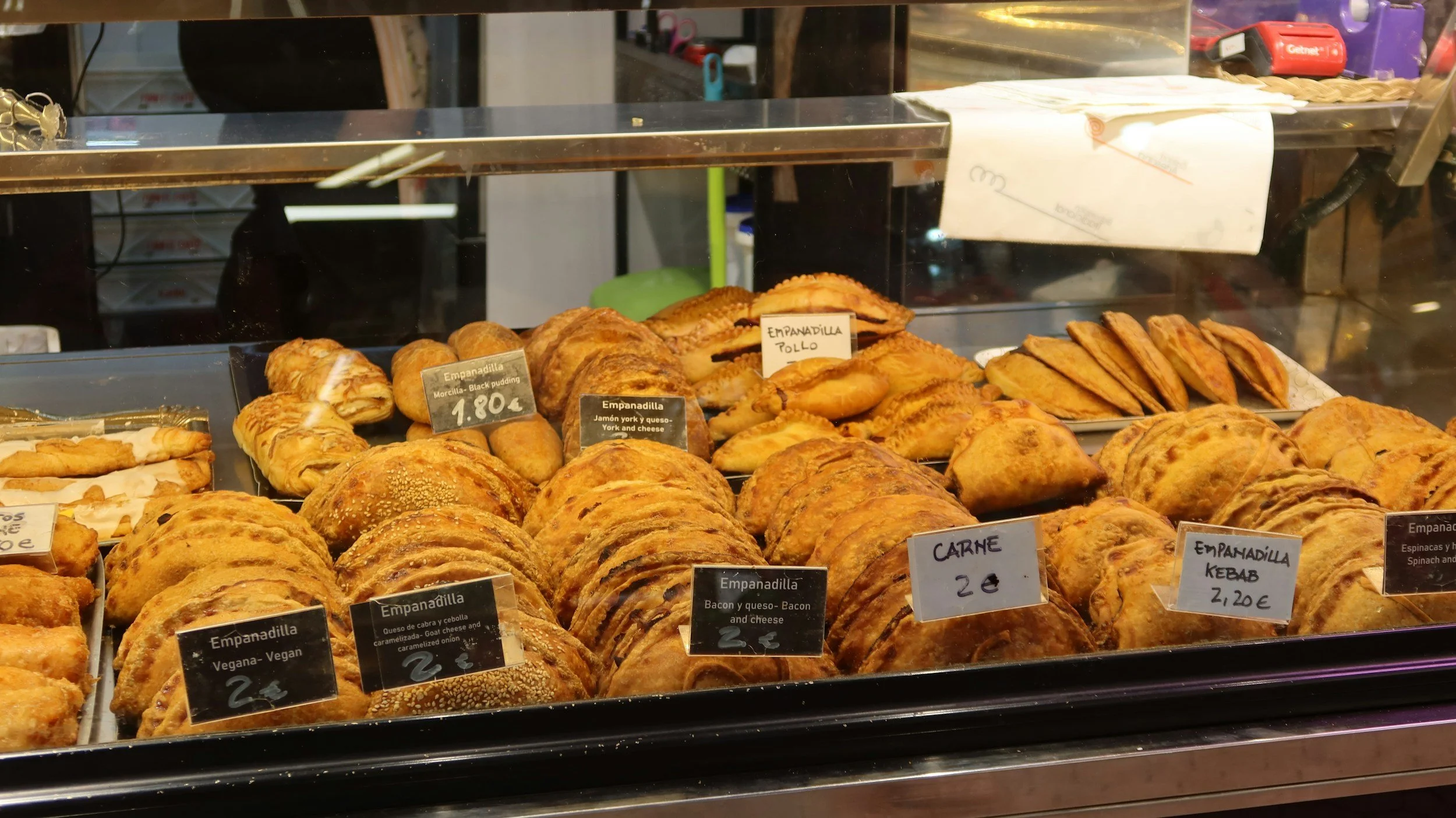
Málaga’s centre has changed a lot, especially around Calle Larios and the streets leading toward the cathedral, where most businesses now cater to short visits. Mercado de Atarazanas still sits slightly outside that pattern, but only at certain times of day. Early morning, it functions as a working market with a clear rhythm and purpose. By late morning, it shifts toward a mix of shopping and social stops, and by early afternoon, it’s closer to a place to eat and move on.
If you’re planning your visit around the market rather than adding it in between other stops, it’s worth arriving before 10:00, entering through the side rather than the main arch, and giving yourself time to walk the full loop before deciding where to stop. It’s not a place that reveals much if you pass through quickly, but it becomes more useful once you understand how people actually use it.
Summer markets in Andalusia can be lively, but Spain has plenty of places where shopping stays low-key even in the warmer months. Some of the quietest summer markets follow a similar pace, built around locals rather than visitors.
What to know before visiting Mercado de Atarazanas in Málaga
Visit early in the morning to experience the market at its quietest, allowing for a more relaxed and intimate exploration.
Don’t miss the seafood stalls - Málaga is known for its fish, and Mercado de Atarazanas provides an unbeatable opportunity to sample the freshest catches of the day.
Take your time to chat with the local vendors. They’re a wealth of knowledge and passion for their craft and can offer excellent recommendations on where to eat or what to try.
If you're visiting in summer, the nearby beaches are perfect for a peaceful afternoon after a morning at the market.
Bring a reusable shopping bag to take home fresh produce, cheeses, or cured meats as souvenirs.
Ronda’s Mercado de Abastos: what to expect and when to go
Mercado de Abastos in Ronda sits along Avenida Martínez Astein, just outside the older part of town where most visitors stay. From Plaza de España and Puente Nuevo, the walk takes around ten minutes if you follow Calle Virgen de la Paz straight out and continue past Plaza del Socorro, where the street opens up and traffic becomes more visible. The shift is gradual but noticeable. You move from narrow, older streets into a more functional part of town where shops are used daily rather than browsed.
The market building is set slightly back from the avenue, with a simple entrance that’s easy to miss if you’re not looking for it. Inside, the layout is compact and direct. Butchers and fishmongers sit through the centre, while fruit, vegetables, and dry goods line the outer edges. There are no decorative sections or curated displays, and most people already know where they’re going when they walk in. If you enter and follow the outer loop first, you get a clearer overview before stepping into the busier central aisle.
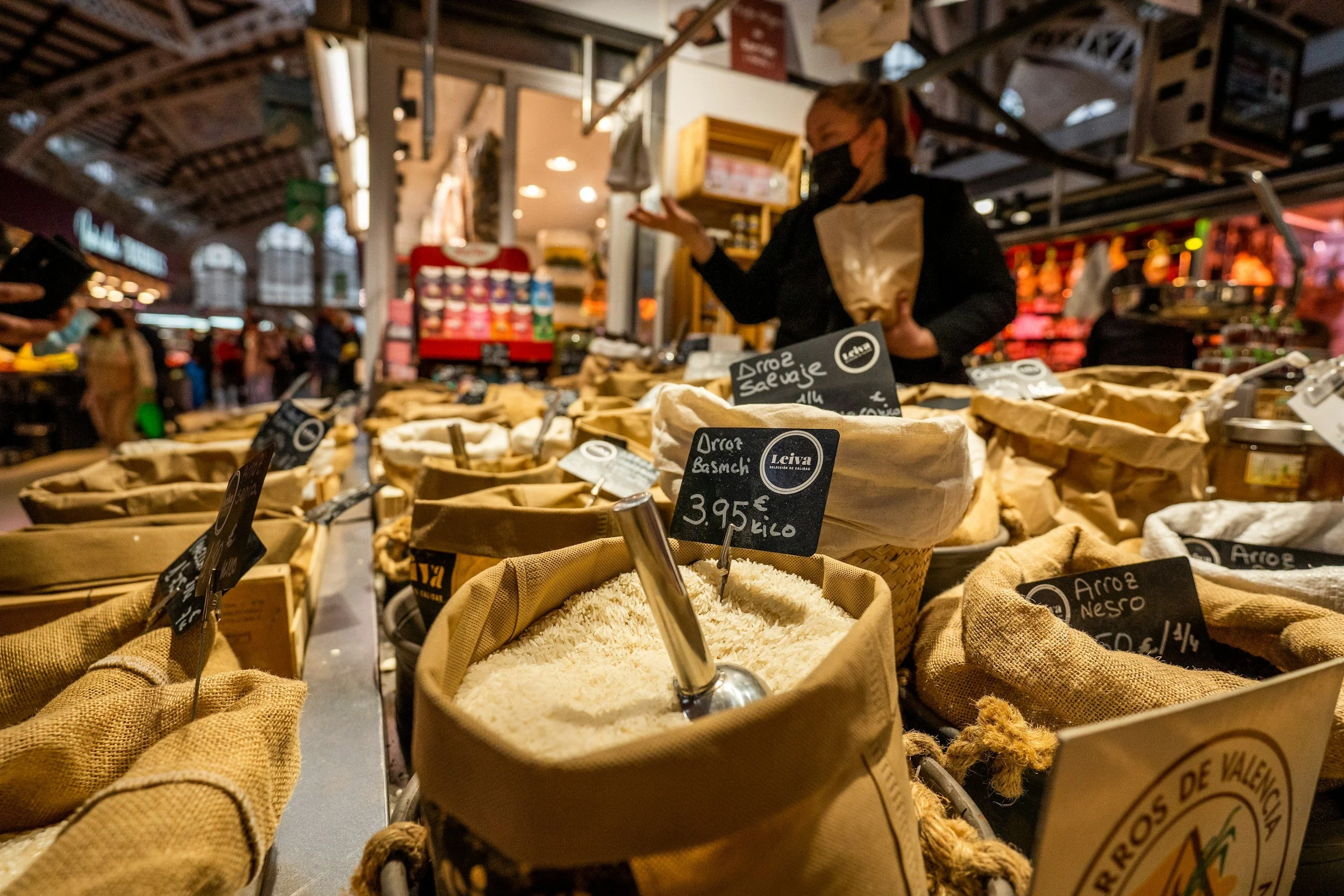
Between 9:00 and 11:00, the market is at its most active. People arrive, greet the vendor briefly, order what they need, and leave within a few minutes. It’s common to see the same exchanges repeated - short conversations, small quantities, and very little browsing. At the butcher counters, cuts of pork and lamb from the Serranía de Ronda are displayed without much explanation, and customers often ask what’s best that day rather than specifying exactly what they want. Orders are prepared quickly, wrapped, and handed over without delay.
The produce stalls reflect what’s grown in the surrounding area rather than what’s brought in for visitors. Depending on the season, you’ll find tomatoes, peppers, courgettes, and local olives, often sold loose rather than pre-packed. Some stalls also carry simple prepared items like marinated vegetables or jars of preserved goods. Quantities are flexible, and it’s normal to ask for just enough for one or two meals rather than buying in bulk.
Fish is available, but it’s not the focus here. Deliveries come in from the coast early in the morning, and the best selection is usually gone before midday. By around 11:30, the remaining fish tends to be limited, and fewer people are ordering from those counters. If fish is part of your plan, it’s worth arriving closer to opening rather than treating it as a late-morning stop.
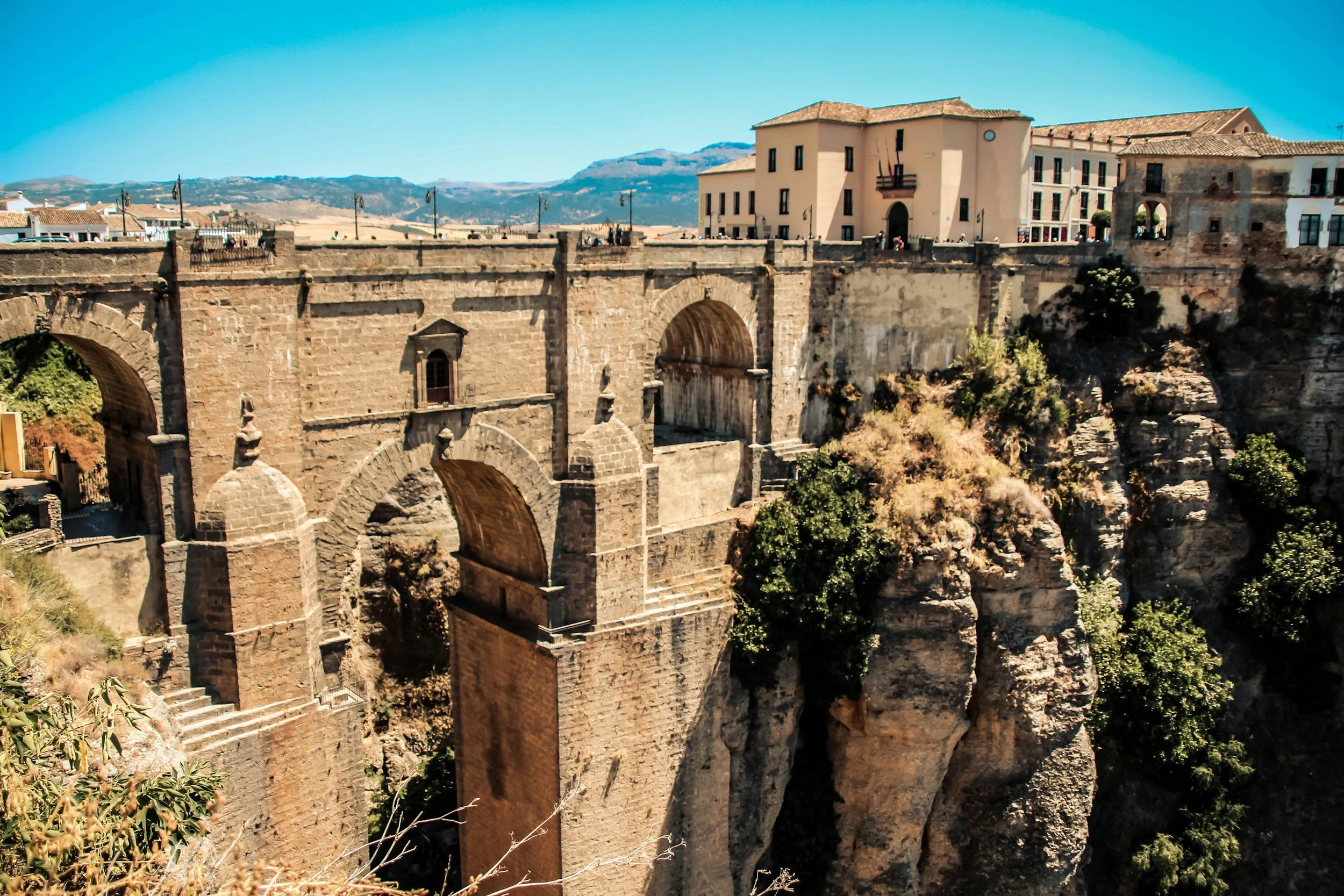
Tastes of Ronda: Fresh, Local, and Delicious
There are a few small counters inside the market where you can order something simple, but most people don’t stay. Instead, they leave with their purchases and continue along Avenida Martínez Astein or back toward Carrera Espinel, where daily routines continue outside the market itself. Bread is rarely bought inside. If you walk two or three minutes toward Calle Espinel, you’ll pass several bakeries where people stop before heading home, often carrying produce or meat from the market in one hand and a paper bag with bread in the other.
Ronda’s centre, especially around the bridge and viewpoints, operates on a very different rhythm, with a steady flow of short visits throughout the day. Mercado de Abastos sits just outside that pattern. It doesn’t shift much to accommodate visitors, and it doesn’t build its layout around browsing or extended stays. That’s why it can feel quiet or even uneventful if you arrive without context, but it becomes more useful once you understand how it fits into the town’s daily structure.
If you plan to include it, it works best as a short stop in the morning, ideally before 11:00, combined with a walk through the surrounding streets rather than returning directly to the historic centre. Following Avenida Martínez Astein toward Plaza del Socorro and then back along Carrera Espinel gives you a more complete picture of how this part of Ronda functions beyond its main viewpoints.
Market days tend to feel best in towns where you can stay put and wander before or after. Pals in Catalonia has that same small-scale feeling, where markets, walking, and cafés all fit easily into a slow day.
Tips for a relaxed market visit in Ronda
Go early: The market is at its quietest in the morning, so it’s the best time to enjoy a peaceful stroll and have a more intimate experience with the vendors.
Don’t rush through. Take your time and sample local cheeses and cured meats - they’re the heart of Ronda’s culinary culture.
Olive oil is a must-buy! It’s a simple gift to take home, and you’ll use it in everything you cook.
After visiting the market, spend some time exploring Ronda’s Old Town, or take in the views from the Puente Nuevo bridge. The town’s narrow streets are perfect for a relaxed walk.
Arcos de la Frontera: A white town with a local market
Welcome to Arcos de la Frontera, one of Andalusia’s most charming Pueblos Blancos (white towns). Arcos de la Frontera is split quite clearly between its historic hilltop centre and the newer town below, and that difference matters when planning a visit to the weekly market. The old town sits tightly packed around Plaza del Cabildo and the cliff edge above the Río Guadalete, while everyday life happens further down around Avenida Miguel Mancheño and the surrounding residential streets.
The weekly market is held in the lower town, typically in the Recinto Ferial area just off Avenida Miguel Mancheño. It usually takes place on Saturdays, starting from around 9:00, with most stalls set up by 9:30 and beginning to pack down shortly after 13:30. If you arrive earlier, you’ll see vendors still unloading and arranging their tables. By late morning, the layout is fully established, and the flow becomes more consistent.
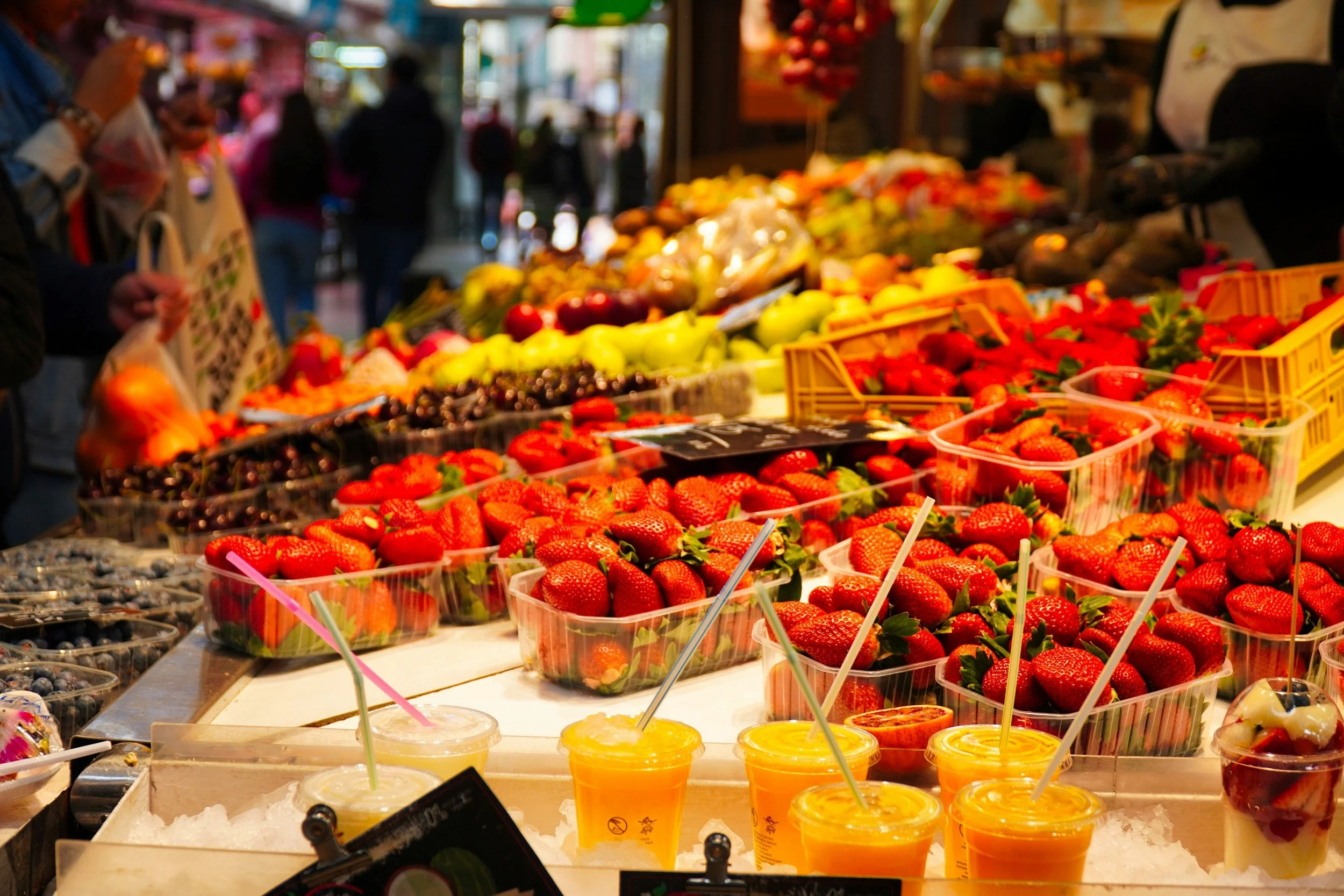
From the historic centre, the walk down takes around 15–20 minutes. Most routes lead you past Plaza del Cabildo and down via Calle Corredera or Calle Cuesta de Belén before connecting to the wider streets below. The return uphill is slower and more exposed, especially in warmer months, so it’s easier to start at the market and move upward afterward rather than the other way around.
The market itself is set up in long, straight rows with clear walking lanes between them. Clothing stalls dominate, especially toward the outer sections, with tables of folded garments and racks positioned tightly together. Shoes, textiles, and household items are mixed in, and these areas tend to stay busy throughout the morning. Produce is more scattered and requires a full walk-through to compare options. You’ll find fruit and vegetables from the Cádiz province, along with olives, spices, and packaged goods, but it’s not organised into a single food-focused section like in permanent markets.
What stands out is how quickly people move through. Most visitors from outside the town walk the full length once, while locals tend to go directly to one or two specific stalls, complete their purchase, and leave. Transactions are brief, prices are usually fixed, and there’s very little back-and-forth. You’ll often see people carrying a small number of items rather than full bags, then continuing on toward nearby shops or heading home.
There are very few food stalls or places to sit within the market itself. Instead, people tend to finish their shopping and then stop elsewhere. Along Avenida Miguel Mancheño and the connecting streets, there are cafés and bakeries where the pace slows down again. It’s common to see people leaving the market with produce or clothing and then stopping for a coffee before heading back.
Arcos is often approached as a viewpoint destination, with most time spent around the Parador, the church at Plaza del Cabildo, and the narrow streets along the ridge. The market sits completely outside that experience. It doesn’t adjust to visitors, and it doesn’t build in anything to hold your attention if you arrive without a reason to be there. That’s also why it works better when you treat it as part of a sequence rather than a standalone stop.
If you plan your route starting at the Recinto Ferial in the morning, walking through the market before 11:30, and then making your way up toward Calle Corredera and into the old town, the transition feels more natural. You move from a practical, everyday setting into the historic centre without needing to double back, and you avoid the slower uphill walk at the end of your visit.
Our best tips for Mercado de Arcos
Take your time: The beauty of the Mercado de Arcos is in its slow pace. Wander the stalls, chat with the artisans, and savor the experience.
Try local breakfast: Make sure to stop at one of the cafés for a traditional tostada con tomate and a cup of coffee. It's a simple pleasure that’s a staple of Andalusian mornings.
Explore beyond the market: Arcos is made for strolling. After visiting the market, take a walk through the town’s winding streets and discover its hidden corners and scenic viewpoints.
Look for unique souvenirs: The handmade jewelry and ceramics from the market are not only beautiful but also a meaningful reminder of your visit. Each piece carries the craftsmanship and spirit of Arcos.
After wandering through Andalusia’s local markets, treat yourself to a break at Seville’s best coffee spots. Our guide will take you to the coziest cafés.
Nerja’s Mercado de Abastos: a seaside market for slow food lovers
Nerja’s Mercado de Abastos sits just off Plaza de la Ermita, a few minutes inland from the Balcón de Europa, but far enough from the seafront that it doesn’t get pulled into the same steady flow of visitors. The most direct approach is along Calle Pintada, which runs through the centre of town and gradually becomes less crowded as you move away from the coastline. Just before the street opens slightly, you turn in toward the square where the small white church, Iglesia de Nuestra Señora de las Angustias, stands directly opposite the market entrance.
The building is compact and functional, with a single main entrance and a straightforward interior. A central aisle runs through the middle, with fishmongers and butchers positioned closest to that spine and produce stalls set along the walls. You can see most of the market within a few minutes, but it’s worth walking the full loop once before stopping, as some of the smaller produce and dry goods stalls are easy to miss on a first pass.
Between 9:00 and 10:30, the market is at its most purposeful. People come in, greet the vendor, order quickly, and leave. You’ll notice that many customers don’t browse across stalls. They go directly to the same fish counter or butcher each time, often asking what’s best that morning rather than choosing from the display. Sardines and anchovies are consistently available, along with squid and prawns, and orders are usually prepared in small quantities. By around 11:30, the selection begins to narrow, especially at the fish counters, and the pace shifts toward shorter visits and more passing foot traffic.
One detail that stands out in Nerja compared to larger coastal markets is the scale of buying. Most purchases are for immediate use rather than for stocking up. It’s common to see people leaving with just one or two items, often combined with stops elsewhere in town. Bread, in particular, is rarely bought inside the market. If you walk back out toward Calle Pintada or continue a few minutes toward Calle San Miguel, you’ll pass bakeries where people complete their shop before heading home.
The produce stalls reflect the surrounding Axarquía region, which is known for subtropical crops. Depending on the season, you’ll find avocados and citrus alongside more standard vegetables like tomatoes and peppers. Items are usually sold loose, and vendors are used to adjusting quantities without much discussion. Some stalls also carry olives and simple preserved goods, but the focus stays on fresh, everyday ingredients rather than speciality products.
There are a couple of small counters where you can order something to eat, but this isn’t a market built around staying. Most people move through and continue on, either back toward the centre or down toward the sea. If you follow Calle Pintada back in the direction of the Balcón de Europa, the transition is quick, and you’re back in a busier part of town within a few minutes. That contrast is part of how the market functions. It sits just outside the main flow without being disconnected from it.
Nerja’s centre is shaped heavily by its coastline, and much of the activity concentrates around the viewpoints and beaches. Mercado de Abastos operates slightly apart from that. It doesn’t expand into a social space later in the day in the same way larger markets do, and the difference between early morning and midday is still noticeable, but the structure of the place stays the same.
If you plan to visit, it works best before 11:00, entering from Plaza de la Ermita, walking the full loop once, and then continuing back along Calle Pintada toward the centre or down toward the sea.
Andalusia’s inland markets have their own character, but Spain’s coastal towns offer a different kind of market atmosphere. In places like Cadaqués, market weekends feel tied to the sea, shorter days, and a much smaller scale.
Practical tips for visiting the market in Nerja
Go in the morning: The market is at its quietest early in the day, giving you a chance to shop at your own pace and engage with the vendors without feeling rushed.
Talk to the vendors: The vendors at the Mercado de Abastos are incredibly friendly and passionate about their products. Take the time to ask them about their catches, the best ways to prepare the food, and any local recipes they recommend.
Don’t leave without some local jam! The homemade jams at this market are a true Andalusian treat. Pick up a jar (or two!) to take home as a delicious reminder of your time in Nerja.
Pack a picnic: After shopping, head to one of Nerja’s quiet beaches, like Playa de Maro or Playa de Burriana, for a relaxing picnic with your fresh finds. It’s the perfect way to enjoy the fruits of your market experience while soaking up the Mediterranean sun.
Embrace the slower pace: Nerja is a town that encourages you to take your time - whether you’re shopping, eating, or just strolling along the beach. Don’t be in a rush. The town’s relaxed vibe is all about savoring the small moments.
Úbeda’s Mercado de la Plaza de Abastos: History and Craftsmanship Combined
Úbeda’s Mercado de la Plaza de Abastos sits just outside the most visited part of the old town, positioned between Plaza Primero de Mayo and the lower streets that lead away from the historic centre. If you’re starting at Plaza Vázquez de Molina, where most visitors spend their time around the cathedral and surrounding buildings, the most direct route is along Calle Juan Montilla. Within a few minutes, the streets begin to open slightly, and the rhythm shifts from sightseeing to everyday movement. The market sits within this transition, close enough to reach on foot but clearly part of the town’s daily structure.
The entrance is understated, set into a simple façade that doesn’t stand out unless you’re looking for it. Inside, the layout is enclosed and organised, with permanent stalls arranged in a clear grid. A central aisle runs through the middle, with butchers and charcuterie counters forming the core, while fruit, vegetables, and dry goods line the outer edges. It’s easy to walk the full market in one loop, but it’s worth taking a slower pass along the perimeter first before moving into the centre, where the flow becomes slightly tighter mid-morning.
Between 9:00 and 11:00, the market is at its most functional. People arrive with a purpose, often going directly to the same stall without comparing options. Orders are small and specific, usually for one or two meals rather than larger weekly shops. At the butcher counters, you’ll see cuts of pork and lamb from the surrounding Jaén province, and it’s common for customers to ask what’s best that day rather than requesting a particular cut. Transactions are quick, with very little pause between customers.
Fish is present but secondary, given Úbeda’s inland location. Deliveries come in early from the coast, and the best selection is usually gone by late morning. Around 11:30, the counters start to look more limited, and fewer people are ordering. If fish is part of your visit, earlier is noticeably better.
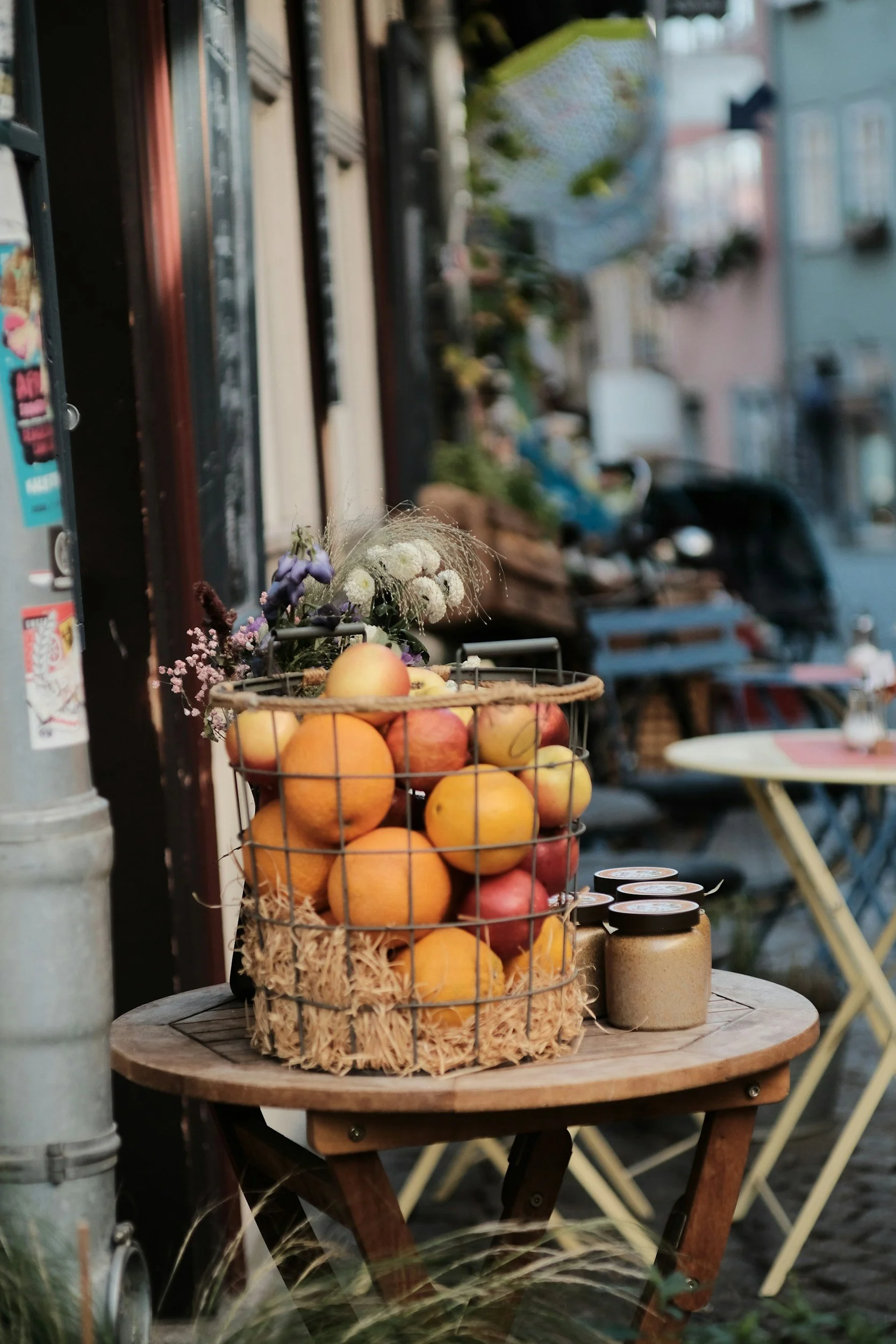
A taste of Úbeda’s best: olive oil, pottery, and more
What stands out more clearly here is the presence of olive products. Úbeda sits in one of Spain’s main olive-growing regions, and that shows in the market. Alongside standard produce, you’ll find stalls offering different types of olives, as well as locally produced olive oils with varying intensities and harvest periods. Some vendors specialise in oils from nearby cooperatives, and it’s common to ask for a small quantity rather than buying a full bottle. The focus is practical rather than curated, with products tied closely to the surrounding countryside.
The produce stalls reflect that same regional supply. Depending on the season, you’ll find tomatoes, peppers, and other vegetables grown in the area, sold loose and in flexible quantities. There’s less emphasis on presentation compared to larger city markets, and more on what’s available that day. Some stalls also carry simple preserved goods, but the selection remains straightforward.
There are a few small counters where you can stop briefly for something to eat or drink, but most people don’t stay. Instead, they move through the market and continue toward nearby streets. If you exit toward Plaza Primero de Mayo and follow Calle Real, you’ll pass cafés and bakeries where people tend to stop after shopping, often combining a quick purchase with a coffee before heading home.
Úbeda is usually approached through its architecture, particularly around Plaza Vázquez de Molina. That can make it feel quiet if you arrive without context, but it becomes more useful once you understand how it fits into the town’s daily routine.
If you include it in your visit, it works best in the morning, ideally before 11:00. Starting at the market and then walking up through Plaza Primero de Mayo and along Calle Real toward Plaza Vázquez de Molina creates a more natural route through the town, moving from everyday activity into the historic centre without needing to double back.
Good to know before visiting Mercado de la Plaza de Abastos
Go early: The market is typically quieter in the morning, so it’s the perfect time to explore without the crowds. It’s also when the freshest produce is available!
Don’t leave without some olive oil: The extra virgin olive oil here is a must-buy. Take a bottle (or two) home with you to add a touch of Úbeda to your kitchen.
Chat with the artisans: The vendors here are passionate about their products, and they’re always happy to share their knowledge. Ask about the local pottery, the olive oil-making process, or even the history behind their craft.
Take a moment to sit and relax: After you’ve explored the market, head to one of the nearby cafés for a cup of coffee and a piece of tarta de aceite (olive oil cake), a local treat that pairs perfectly with your slow travel experience.
You don’t need to overplan these markets, but a few small things make a big difference once you’re there.
The timing matters more than anything else. In Málaga and Nerja, the fish counters change quickly. If you arrive closer to midday, you’re not seeing what people actually came for earlier. In Úbeda, it’s less obvious, but the same thing happens more quietly. The layout stays the same, but the choice narrows. In Ronda and Arcos, it’s more about pace. People come in, buy what they need, and leave within a few minutes, and that rhythm is easy to miss if you arrive late.
It also helps to pay attention to what happens just outside the market. In Málaga, people walk out toward Calle Sagasta. In Úbeda, they move back toward Plaza Primero de Mayo and along Calle Real. In Nerja, it’s usually a short walk back along Calle Pintada. Most people aren’t finishing everything inside the market. Bread is picked up somewhere else. Coffee happens somewhere else. The market is just one stop in a short chain.
If you walk through once without buying anything, then go back to the stall that makes sense to you, the whole place becomes easier to understand. It stops feeling like something to “see” and starts working more like a normal part of the town. That’s usually when it becomes worth your time.
If you start planning trips around market days, Spain opens up in a different way. Some places stay surprisingly calm even in summer, especially where markets are still part of weekly routines.
FAQs about markets in Andalusia
What time do markets in Andalusia open?
Most permanent markets, including Mercado de Atarazanas in Málaga and Mercado de Abastos in Nerja and Úbeda, open between 8:30 and 9:00. By 9:00, most stalls are fully set up. Weekly markets like the one in Arcos de la Frontera take slightly longer to come together, with vendors still arriving and setting up closer to 9:30 around the Recinto Ferial area.
What is the best time to visit Mercado de Atarazanas in Málaga?
The most useful time is between 9:00 and 10:30. That’s when the fish counters are fully stocked and locals are actively shopping. After around 11:30, the selection begins to narrow, especially in the central aisles, even though the market still looks busy.
What day is the market in Arcos de la Frontera?
The weekly market in Arcos de la Frontera is usually held on Saturdays in the Recinto Ferial area near Avenida Miguel Mancheño. It runs in the morning, with most stalls starting to pack down after 13:30.
Are markets in Andalusia open every day?
Permanent indoor markets, such as those in Málaga, Nerja, Ronda, and Úbeda, are typically open Monday to Saturday. Weekly outdoor markets take place on a fixed day each week and usually run only in the morning.
Where are the main local markets located in these towns?
In Málaga, Mercado de Atarazanas sits just off Calle Atarazanas near Alameda Principal. In Nerja, the market is located by Plaza de la Ermita along Calle Pintada. In Ronda, Mercado de Abastos is near Avenida Martínez Astein, outside the historic centre. In Úbeda, the market sits between Calle Juan Montilla and Plaza Primero de Mayo, slightly below the main historic area.
What can you buy at markets in Andalusia?
In coastal towns like Málaga and Nerja, fish is a key part of the market, including sardines, anchovies, and prawns. In inland towns like Úbeda and Ronda, you’ll find more meat, olives, and produce from surrounding farmland. Weekly markets, such as in Arcos, also include clothing, textiles, and household items.
Do locals still shop at these markets?
Yes, especially in the morning. In places like Ronda and Úbeda, most customers come for specific items and leave quickly. In Málaga, the pattern is clearer earlier in the day before the pace shifts closer to midday.
Are prices fixed at Andalusian markets?
In permanent markets like those in Málaga, Nerja, and Úbeda, prices are fixed and usually displayed. At weekly markets such as Arcos de la Frontera, prices are also generally fixed, although buying multiple items from the same stall may lead to a small adjustment.
Are there places to eat inside these markets?
Mercado de Atarazanas in Málaga has several counters where you can order simple dishes, especially around the outer edges near Calle Sagasta. Smaller markets like those in Ronda, Nerja, and Úbeda have limited food options, and most people eat nearby instead.
How long should you spend at a market in Andalusia?
Most visits last between 20 and 60 minutes. These markets are not designed for long stays. They work better as part of a morning route, often combined with nearby streets like Calle Pintada in Nerja or Calle Real in Úbeda.
Are markets in Andalusia open on Sundays?
Most indoor markets are closed on Sundays. Weekly markets vary by town, but the majority take place on weekdays or Saturdays rather than Sundays.