
Thinking about Budapest? Here's why I'd consider Pécs instead.
Most trips to Hungary start and end in Budapest. It makes sense on paper. The architecture is grand, the thermal baths are easy to access, and there’s always something happening along the Danube. But it also means crowded pavements around Pest, fully booked cafés by mid-morning, and that constant feeling of needing to plan ahead.
Pécs sits about three hours south, close to the Croatian border, and feels like a completely different version of the country. The city spreads out along the southern slopes of the Mecsek Hills, with narrow streets that open into small squares, pastel buildings, and a mix of architectural layers you don’t usually see in one place. You’ll pass Roman ruins without trying, Ottoman-era details tucked into everyday streets, and cafés where people actually stay for a second coffee instead of rushing off.
A good place to start is around Széchenyi tér, the main square, where the Mosque of Pasha Qasim stands right in the center. From there, it’s easy to wander up Király utca, which is lined with independent shops, wine bars, and smaller cafés that feel lived-in rather than styled. A short walk takes you to the Zsolnay Cultural Quarter, a former ceramics factory turned creative area, where you can spend a slow afternoon moving between galleries, courtyards, and quiet corners.
Spring is when Pécs feels at its best. The hills behind the city turn green, the terraces along Király utca and near Jókai tér start filling up again, and you can walk almost everywhere without thinking about crowds or heat. Mornings are quiet enough for a slow coffee outside, and by late afternoon, the light softens over the rooftops in a way that makes you want to stay out longer than planned.
This guide focuses on exactly that version of Pécs. The places where you naturally slow down, the streets worth walking without a plan, and the small details that make it feel like somewhere you could return to, not just visit once.

Where to Have Coffee in Pécs: Local Cafés and Easy Morning Walks
Mornings in Pécs are easy in a good way. Shops open slowly, and you don’t need a plan to fill your time.
Most people naturally pass through Széchenyi Square at some point in the morning. Around 8:30–10:00, cafés start putting out chairs, and you’ll see locals stopping for a quick coffee before work while others stay longer. It’s a practical place to start because everything connects from here.
Nappali is one of the more reliable spots if you want something simple. It’s slightly worn-in, in a good way, and works whether you just want a coffee or something small to eat. Reggeli is a bit more focused on breakfast, with proper plates rather than just pastries, so it’s better if you want to sit for a while.
A few minutes away, Made in Pécs Café is quieter and feels more local. There’s usually space to sit, even mid-morning, and it’s the kind of place where people bring laptops or meet friends without it turning into a busy brunch spot.
After coffee, it makes sense to walk without a set route. Király utca is the main pedestrian street, but it doesn’t feel overwhelming. Shops open gradually, and most of them are small - bookstores, vintage clothing, and local crafts rather than chains. If you turn off towards Janus Pannonius utca, it gets even quieter, with fewer people and more residential buildings mixed in.
If you like the whole coffee + wandering around without a plan part of Pécs, you’d probably enjoy this too: weekend escapes for book lovers in Eastern Europe. Same kind of days, just in different places!
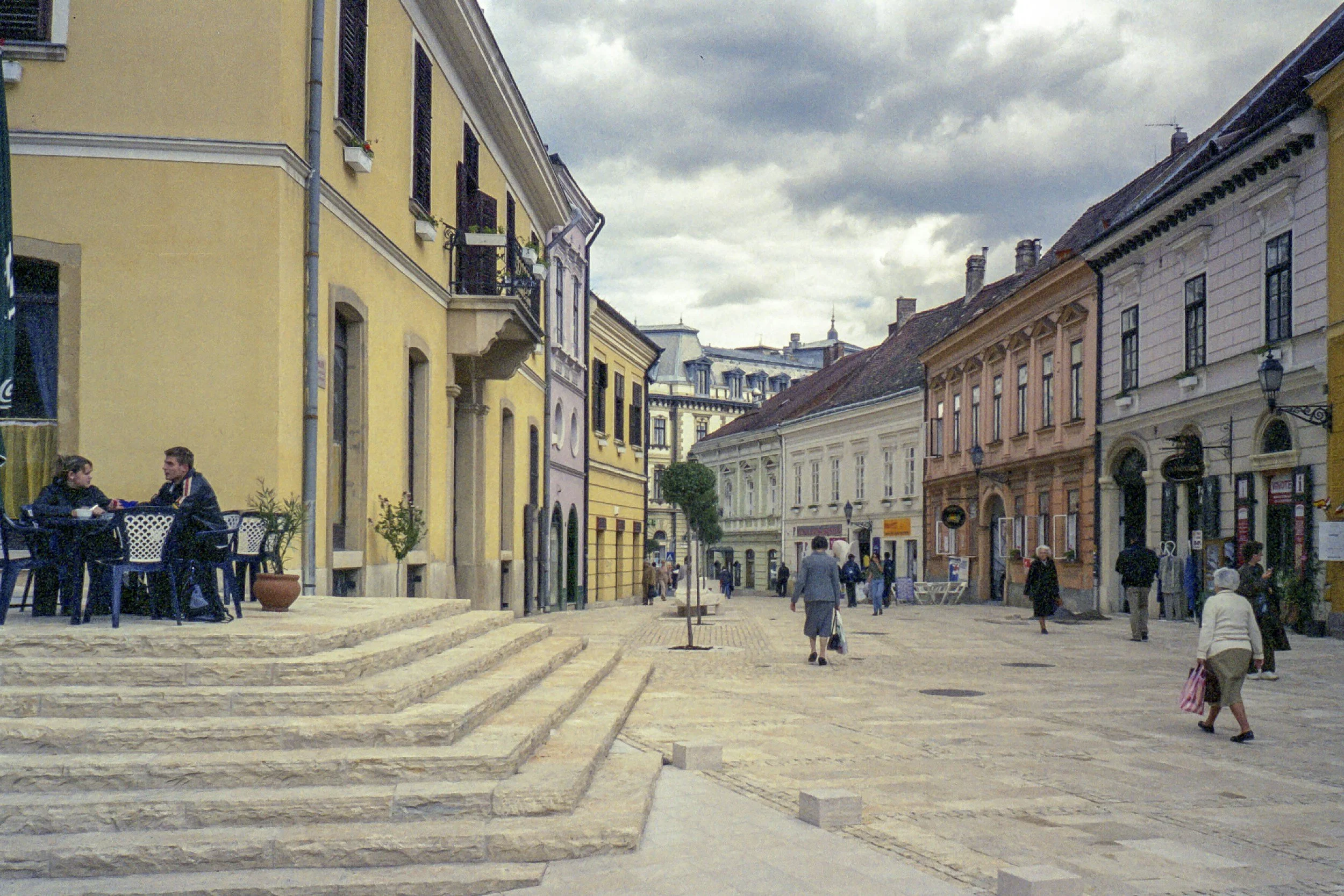
Széchenyi Square
How to Get to Pécs from Budapest: Train, Driving Times and What to Expect
The most straightforward way to reach Pécs is from Budapest, either by train or car. Both are easy, so it mostly depends on how you want to travel once you arrive.
Trains run regularly from Budapest Keleti station to Pécs, usually every 1–2 hours. The journey takes just under 3 hours, and most routes are direct. You’ll pass smaller towns, farmland, and low hills along the way, but this is more of a practical journey than a “scenic train ride.” Seats are comfortable, tickets are affordable, and you don’t need to book far in advance unless you’re traveling on a weekend.
When you arrive at Pécs train station, you’re about a 10–15 minute walk from the city center. Taxis are available outside, but unless you have heavy luggage, it’s easy enough to walk straight to Széchenyi Square and get your bearings from there.
Driving takes around 2.5 to 3 hours, depending on traffic leaving Budapest. The roads are straightforward, and having a car makes a difference if you want to explore places outside the city, especially the nearby wine regions around Villány or smaller villages in the Mecsek Hills. Parking in central Pécs is possible but can be limited in the very center, so it’s worth choosing accommodation with parking included if you’re arriving by car.
If you’re taking the train, aim to arrive sometime between 9:30 and 11:00. By then, cafés are open, shops are starting their day, and you can go straight into a slow first morning instead of waiting for the city to wake up.
If you’re planning around spring or off-season travel, this is actually really useful: quiet town vs closed town. It helps you avoid ending up somewhere that just feels… empty.
What to See in Pécs for History Lovers: Roman Sites, Tombs and the Cathedral
Pécs is one of the oldest cities in Hungary, and you notice that quickly once you start walking around the center. The main historical sites are close to each other, so you can cover most of them on foot without planning a route in advance.
One of the most important places to visit is the Early Christian Necropolis, which is part of a UNESCO World Heritage listing. The site dates back to the 4th century, when the city was known as Sopianae under Roman rule. Today, you enter through a modern visitor center, and from there walk down into a network of burial chambers and painted tombs.
Inside, it’s cooler than outside, and the layout is easy to follow with walkways connecting different sections. Some tombs have visible frescoes on the walls and ceilings, which are still intact. You move slowly through the space, partly because of the layout and partly because there’s a lot to look at. It usually doesn’t get crowded, especially compared to similar sites elsewhere in Europe, so you can take your time without being rushed through.
It’s worth going earlier in the day or later in the afternoon. Midday can bring small tour groups, but even then it stays manageable.
A short walk from the necropolis takes you to Pécs Cathedral, also known as St. Peter and Paul’s Cathedral. It stands slightly elevated above the surrounding streets, with four towers that are visible from different parts of the city.
Inside, the cathedral is larger than it first appears from the outside. There are painted interiors, side chapels, and plenty of space to walk around without feeling crowded. If the tower is open during your visit, it’s worth climbing. The steps are narrow in parts, but from the top you get a clear view over the rooftops, with the Mecsek Hills rising behind the city.
The area around the cathedral is quieter than the main square, with fewer cafés and less people on the streets. It’s a good place to slow down a bit after walking through the busier streets nearby, and you can easily combine it with the necropolis in the same part of the day without needing transport.
If you’re deciding between a few places, Aix-en-Provence in spring has a similar pace but with more markets and a slightly warmer feel.
Things to Do in Pécs for Art and Culture: Zsolnay Quarter and Local Creative Spots
Pécs has a strong creative side, but it doesn’t feel curated or overly polished. You notice it in small ways first. Posters for local exhibitions on notice boards, students carrying sketchbooks, ceramics in shop windows that are actually made nearby. It feels like a working creative city, not something built for visitors.
The main place to see this properly is the Zsolnay Cultural Quarter. It’s about a 15–20 minute walk from the city center, or a short taxi ride if you don’t feel like walking uphill. The area used to be the Zsolnay porcelain factory, and a lot of the original buildings are still there, now converted into exhibition spaces, studios, and small museums.
The layout is spread out, so it never feels crowded. You move between open courtyards, old factory buildings, and quieter indoor spaces. Some areas focus on design and ceramics, others on temporary exhibitions or student work. It’s not a place where you rush through ticking off highlights. You walk, stop when something catches your attention, and skip what doesn’t.
If the weather is good, plan to spend a couple of hours here rather than just passing through. There are benches, patches of grass, and quiet corners where people sit with coffee or take a break between exhibitions. It’s also one of the few places in the city where you can get a bit of space without leaving the urban area completely.
Inside the quarter, Pécsi Kávézó is an easy stop if you want a break. It’s simple, not over-designed, and usually has a mix of students and locals rather than visitors. Good for a coffee and something small to eat before heading back into the center.
If you’re already in this part of the city, it’s worth walking slowly on the way back rather than taking a direct route. The streets between Zsolnay and the center are more residential, and you’ll pass smaller workshops and local galleries that don’t always show up on maps but are open during the day.
If you’re thinking about other cultural cities but don’t want something overwhelming, this version of Athens in spring shows how to do it in a calmer way.
Where to Eat in Pécs: Local Food, Markets and Relaxed Restaurants
Eating in Pécs is easy and affordable. You don’t need reservations days ahead, and you’re not planning your day around getting a table. Most places are small, locally run, and you can usually walk in and sit down without thinking twice.
Start at Pécs Central Market, ideally before 11:00. That’s when it’s busiest with locals doing their actual shopping, not just browsing. You’ll see stalls with seasonal vegetables, cured meats, soft cheeses, and trays of fresh pastries.
This isn’t a place you spend hours. Walk through once, maybe twice, and buy something you can eat straight away. If you’re unsure what to pick, go for whatever looks like it’s just come out warm - usually pastries or simple baked goods near the entrance.
For proper meals, the pace across the city is slower by default. Service isn’t rushed, and tables aren’t turned quickly, so expect to sit for a while even if you’re just ordering one main.
Kisharang Étterem is one of the better places for traditional Hungarian food without it feeling staged. It’s family-run, and the menu stays close to classic dishes. If you’re unsure what to order, goulash here is a safe choice, and portions are filling without being overly heavy. It’s the kind of place where locals come for a proper meal rather than something quick.
For lunch, Blöff Bisztró is easier and more informal. They usually run a daily menu, so instead of overthinking, just ask what’s being served that day. Portions are generous, and it’s a practical stop if you’ve been walking around all morning.
In the evening, Tüke Borház is a good choice if you want to try regional wines without committing to a full formal dinner. You can order a glass and a few smaller dishes and stay as long as you like. Korhely Pub & Kitchen is more of a classic pub setting, with heavier dishes and a warmer interior, especially useful if the weather turns.
Hiking Near Pécs and Villány Wine Region: Best Nature Spots Just Outside the City
You don’t need to plan a full day trip to get into nature from Pécs. The hills start right behind the city, and you can be on a trail within 15–20 minutes from the center.
The easiest starting point is Tettye Park. From Széchenyi Square, it’s a steady uphill walk that takes around 20 minutes. It’s not difficult, but you’ll feel it, especially in warmer weather. If you want to skip the climb, a taxi takes a few minutes.
From Tettye, several marked paths lead into the Mecsek Hills. If you’re just looking for a shorter walk, go towards Tettye Lookout Tower. It takes around 30–40 minutes and is mostly shaded. The path is clear, with a few uneven sections, but nothing technical. At the top, you get a direct view over the city, with the cathedral and rooftops clearly visible.
If you want a longer route, head towards Jakab-hegy. This works better as a half-day plan. The trails are still well-marked, but more uneven, with roots and stones in parts, so proper shoes make a difference. Along the way, you’ll pass forest sections and the ruins of a small monastery near the top.
Most people stick to shorter walks around Tettye, so the further you go, the quieter it gets.
If you have access to a car, it’s worth driving to Villány, about 40–45 minutes south. This is one of Hungary’s main wine areas, known mostly for reds.
Bock Winery is an easy starting point if you want a structured tasting, but you don’t need to plan everything in advance. The main street in Villány has several smaller wineries where you can stop in without a booking, especially outside summer.
Without a car, Villány is harder to visit in a relaxed way. Trains and buses exist, but they limit how many places you can see, and you’ll need to keep track of return times. If wine tasting is a priority, it’s easier to go by car or arrange a taxi for the afternoon.
If the wine part of Pécs made you curious, you might want to save this: lesser-known wine regions in Europe. There are a few places in there that feel very similar to Villány.
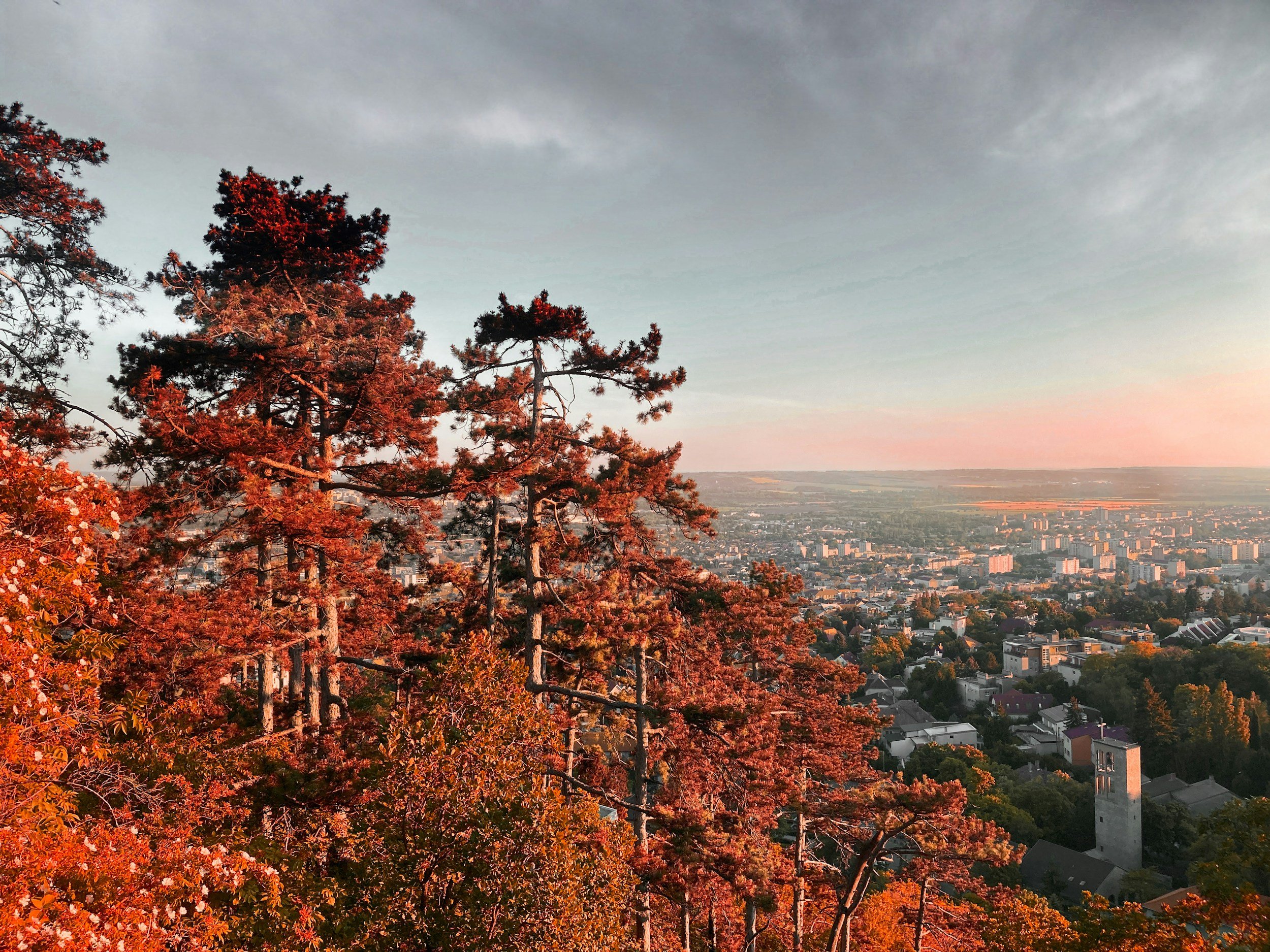
Bock winery
Where to Browse in Pécs: Small Shops and Bookstores in the Old Town
This usually happens without planning it. You grab a coffee, start walking, and then end up stepping into a few places just because the door is open or something in the window catches your eye.
Around Király utca, there are a handful of small shops mixed in between cafés and bars. Some sell books, others have ceramics, prints, or second-hand clothes. It all feels very local, which is part of why it’s easy to spend time here without really thinking about it.
If you want a proper bookstore, Alexandra Bookstore is easy to stop by. It’s bigger, right in the center, and good if you just want to browse for a bit or pick up something simple. Libri Pécs Plaza Bookstore is another option, with a mix of Hungarian and some international titles, but it’s slightly outside the very center so you’d go there more intentionally.
The smaller places are less obvious. You’ll notice them more on the side streets - clothes racks outside, handwritten signs, doors that aren’t fully open. Some are second-hand, some sell local pieces, and most of them don’t really advertise themselves. You just walk in, look around for a few minutes, and then keep going.
If you drift towards Janus Pannonius utca, it gets quieter. Fewer cafés, more everyday shops, and a bit more space between people. It’s a good area to slow down a bit and just see what’s there without trying to find anything specific.
If you like the slower pace here and the idea of building your day around small, relaxing moments, this one is worth saving: Europe’s hidden hot springs beyond Iceland. Same kind of energy, just in different countries.
And if you’re already thinking about where to go next in spring, these gardens across Europe are a good one to scroll through. Easy to pair with slower city trips like this.
Where to Stay in Pécs: Best Areas for a Quiet and Walkable Stay
If you’re staying in Pécs for a few days, it’s worth choosing a place in or just next to the old town. The city is compact, and most cafés, restaurants, and main sights are within walking distance, so where you stay directly affects how easy your days feel.
Around Széchenyi Square is the most practical base. From here, you can reach almost everything in 5–10 minutes on foot. Streets just off the square tend to be quieter in the evenings while still keeping you close to cafés and restaurants.
Several smaller hotels and guesthouses sit right in this area. Palatinus Boutique Hotel is one of the most central options, set directly by the square, making it easy to step outside and start your day without planning. A few streets away, Hotel Arkadia offers a more modern and low-key stay just behind the main square, which works well if you want something simple but still very central.
If you prefer something slightly quieter, it’s worth looking at streets closer to the cathedral. Adele Boutique Hotel sits in a restored historic building on a calmer street, with a small courtyard that feels more private than the main square area. Nearby, Sándor Hotel is set slightly uphill, which means a short walk to get there, but you’ll notice the difference in noise levels, especially in the evening.
Most places in this part of Pécs are small-scale, often with inner courtyards rather than large shared spaces. Breakfast, when included, is usually simple (bread, cheese, jams, and coffee) but it’s enough to start the day without needing to search for a café straight away.
If you’d rather stay somewhere more removed, the area around Zsolnay Cultural Quarter offers a quieter alternative. It’s about a 15–20 minute walk from the center, so still manageable, but noticeably calmer once you’re back in the evening.
Accommodation here leans more towards apartments and converted buildings within the cultural quarter. Boutique Hotel Sopianae is one option just outside the very center, giving you a bit more space while still being within walking distance. Staying near Zsolnay means you’re closer to galleries, open courtyards, and green areas, but you won’t have the same immediate access to restaurants and cafés as in the old town.
The decision is yours. Stay in the center if you want everything within a few minutes. Stay slightly outside if you prefer quieter evenings and don’t mind walking a bit more.
FAQ: Visiting Pécs, Hungary
Is Pécs worth visiting in Hungary?
Yes, especially if you want a smaller, more manageable city. Pécs has enough for a 2–3 day trip, with Roman sites, cafés, and easy access to nature, but without the crowds you’ll find in Budapest. It’s a better fit if you prefer walking, slower days, and not needing a fixed itinerary.
How many days do you need in Pécs?
Plan for 2–3 days. One day is enough for the main sights like the cathedral and necropolis, but a second day lets you slow down and explore cafés, museums, or the Zsolnay area. Add a third day if you want to hike in the Mecsek Hills or visit Villány.
How do you get to Pécs from Budapest?
Take a direct train from Budapest Keleti station. The journey takes just under 3 hours, and trains run roughly every 1–2 hours. You don’t need to book far in advance, but it’s easier to reserve a seat on weekends.
When you arrive, the station is about a 10–15 minute walk from the center. Taxis are available, but most people walk unless they have heavy luggage.
Is Pécs walkable?
Yes. The center is compact, and most places are within 5–15 minutes on foot. You can walk between Széchenyi Square, the cathedral, cafés, and museums without needing transport. The only time you’ll need a car or taxi is for hiking trails or visiting nearby wine regions.
What is Pécs known for?
Pécs is known for its Roman history, especially the Early Christian Necropolis, as well as its mix of Ottoman and Hungarian architecture. It’s also a university city, which keeps it active year-round without feeling busy.
When is the best time to visit Pécs?
Spring and early autumn are the easiest times to visit. The weather is mild, cafés are open, and the city feels active without being crowded. Summer is warmer and slightly busier, while winter is quieter but still workable for a short trip.
Can you visit Villány wine region from Pécs without a car?
You can, but it’s not the easiest option. Trains and buses run between Pécs and Villány, but they limit how flexible your day can be, especially if you want to visit more than one winery.
If wine tasting is a priority, it’s better to go by car or arrange a taxi for a few hours so you don’t have to plan around return times.
Is Pécs safe for solo travelers?
Yes, Pécs is considered very safe. The center is well-lit, distances are short, and it’s common to see people walking around in the evening. As with any city, basic awareness is enough, but it’s generally a comfortable place to explore alone.
Where should you stay in Pécs?
Stay near Széchenyi Square if you want everything within walking distance. For quieter evenings, look towards the cathedral or near the Zsolnay Cultural Quarter, which is slightly removed from the center but still easy to reach on foot.
Is Pécs Worth Adding to Your Hungary Itinerary?
Pécs is the kind of place that makes sense once you’re there. You don’t need to organise much or plan your days in detail. Everything is close, and it’s easy to fall into a routine with coffee in the morning, a few hours walking, a long lunch, and then deciding what to do next without overthinking it.
If you’re already planning a trip to Budapest, adding a few days in Pécs changes the pace completely. You still get history, good food, and interesting places to walk through, but without needing to book ahead or move quickly between things.
It also works well if you want to see more of southern Hungary. The Villány is close enough for a half-day trip, and the hills around the city give you an easy way to get out into nature without committing to anything complicated.
Two or three days here is usually enough. You’ll see what you came for, but more importantly, you’ll have time to just be in the city a bit. That’s really what makes Pécs worth it.
Pécs isn’t the only city that works well in spring without feeling overwhelming. This guide to Kraków’s quieter cafés and creative corners gives a similar experience, just on a slightly bigger scale.