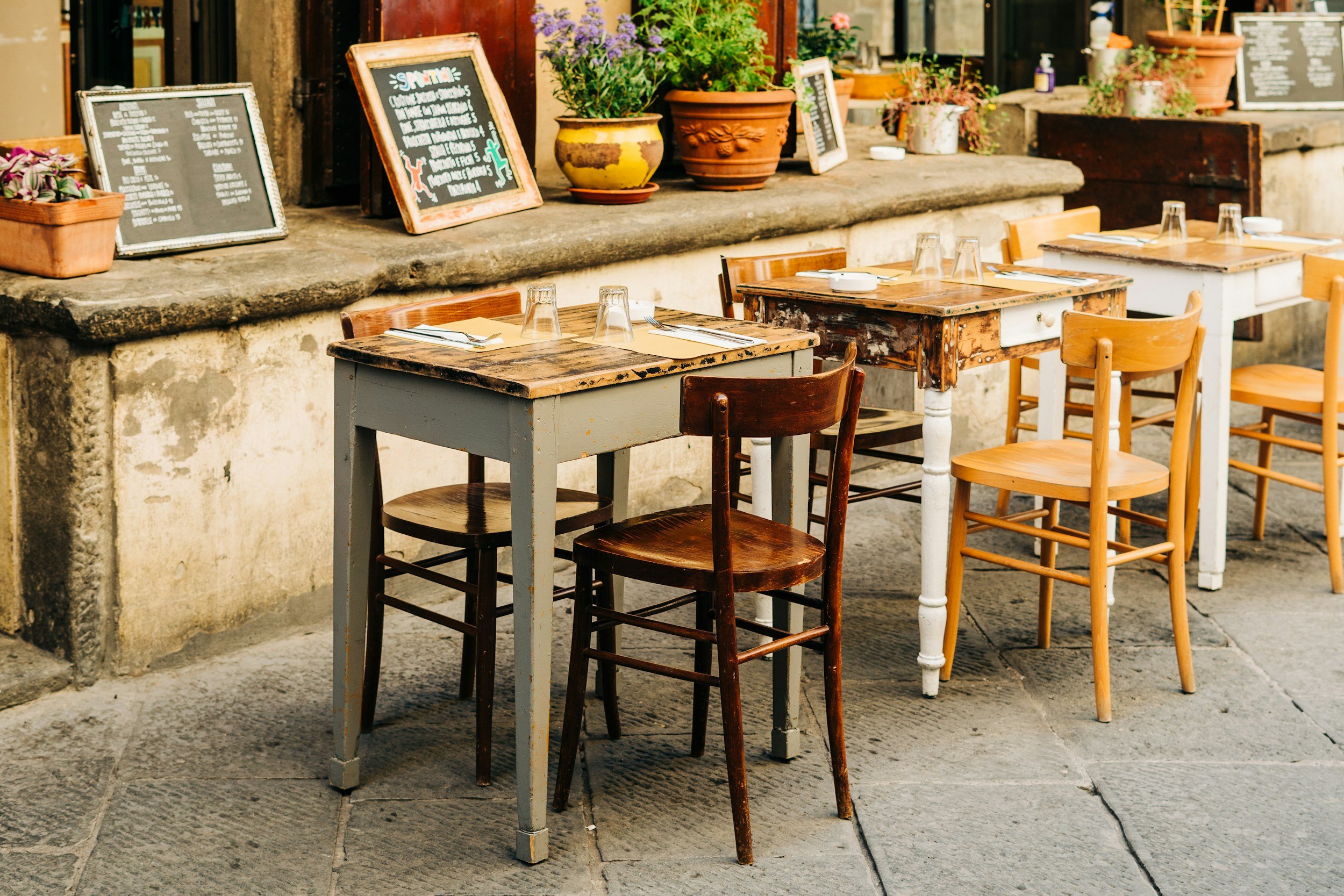
If you're planning to eat just one proper meal in Udine, I'd make it frico. It's one of Friuli's best-known dishes, with cheese, potatoes and often onions cooked together until golden, and usually a helping of polenta alongside. For somewhere to try it, Osteria da Artico would be my first choice.
But I'd also make room for a glass of local wine somewhere in the old town. Udine has a long tradition of stopping at an osteria for a tajùt, a small glass of wine, perhaps with a couple of tartine or something else from the counter. It's a lovely part of the local food culture, and one that doesn't require an elaborate lunch or dinner.
What makes eating in Udine particularly interesting is how much of Friuli comes together here. You have cheeses and recipes from the mountains of Carnia, cured meats from towns such as San Daniele del Friuli, and wines from the hills further east. The city gives you a chance to try these regional specialities in a fairly compact old town, with everything from a proper osteria lunch to a quick glass of wine and a plate of prosciutto.
Start with frico and decide which kind to order
If you see frico friabile on the menu, don't expect the soft, potato-filled version. This one is made with aged cheese cooked until thin and crisp, rather like a large cheese wafer. It's the sort of thing I'd order to share before lunch, especially with a glass of white wine.
For a proper meal, though, I'd go for frico alla carnica. This is the softer version associated with Carnia, where potatoes, onions and cheese are cooked together until the outside turns golden and the middle stays soft. At Osteria da Artico, they make it with three cheeses and serve it with polenta. It's already quite a substantial lunch, so I'd probably leave the crispy version for another occasion unless I was sharing.
For somewhere to try it, I'd go to Osteria da Artico, on Via Marangoni near Via Poscolle. It's a good place to get acquainted with traditional Friulian cooking, and I particularly like that they haven't settled on just one version of frico. The frico alla carnica takes its name from Carnia, the mountainous part of Friuli, and Da Artico makes theirs with potatoes, onions and three cheeses.
I'd order that with a glass of still Ribolla Gialla, which they serve by the glass. It's a simple enough lunch, but with the polenta alongside, I doubt you'd need much more. And if you're sharing, you could always try the crispy frico as a starter, although I'd be tempted to save some room for something other than cheese.
Da Artico serves lunch Monday to Saturday and dinner on most evenings, except Thursday. It's closed on Sundays, so if you're spending the weekend in Udine, Saturday is your chance to eat here. You can check the menu and book a table before you go.
Order cjarsons when you see them
If you spot cjarsons on a menu in Udine, they're well worth ordering, especially if you enjoy trying regional dishes that you probably won't come across elsewhere in Italy.
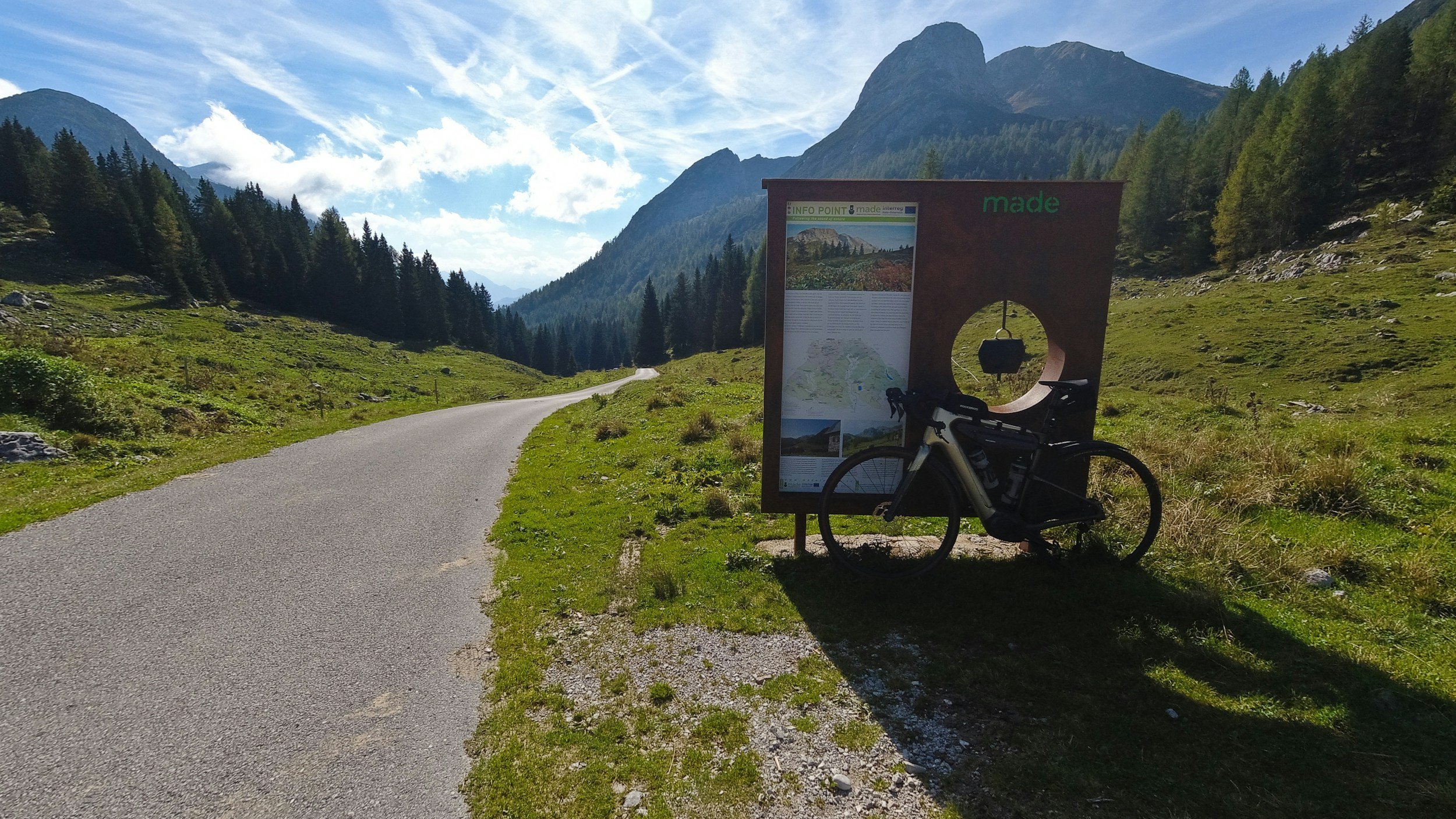
These little filled pasta parcels come from Carnia, in the mountains north of Udine, and the fillings can be quite unexpected. Some recipes have a slightly sweet side, others lean more towards herbs and savoury ingredients, and there's no single version that everyone agrees on. Traditionally, they're finished with melted butter and grated smoked ricotta, which adds a salty, smoky contrast to the filling.
For somewhere to try them in Udine, have a look at Casa della Contadinanza, up on the castle hill. It's a slightly different setting from the osterias down in the old town, with the restaurant occupying a historic building on Piazzale del Castello.
Their version of cjarsons comes with melted butter, smoked ricotta and a herb cream. I'd be very tempted to order those rather than another cheese-heavy main, particularly if I'd already tried frico elsewhere in Udine.
Where to try San Daniele in Udine
San Daniele is one of the Friulian specialities I'd happily make time for, even if it were just a few slices with a glass of wine. The ham comes from San Daniele del Friuli, where it's salted and slowly cured without smoking. It's known for its delicate flavour and gentle sweetness, and unlike a mixed plate of cured meats, ordering San Daniele on its own gives you a chance to appreciate what makes this particular prosciutto different.
If you enjoy Italian cured meats, I'd make time for a plate while you're in Udine. You don't need to order a big antipasti board with five different things on it, either. Sometimes it's much nicer to have a few good slices of one particular ham and actually appreciate what you're eating.
For this, I'd head to La Prosciutteria IE on Via Rialto 2, right in the old town. As the name suggests, ham is very much the speciality here, and they offer San Daniele at different stages of curing. I'd ask what they have available and order a simple plate of sliced prosciutto. It's also a good opportunity to compare the different ages if the staff can offer you a choice.
If you're only after a little something with a drink, try their San Daniele crostino instead. It's a nice alternative to a full restaurant lunch, particularly if you've already eaten something substantial earlier in the day.
And something worth knowing when you're reading menus around Udine: not every Friulian prosciutto is San Daniele. You might also come across lightly smoked ham from producers such as D'Osvaldo in Cormòns. It's another regional speciality, but quite different from the unsmoked San Daniele.
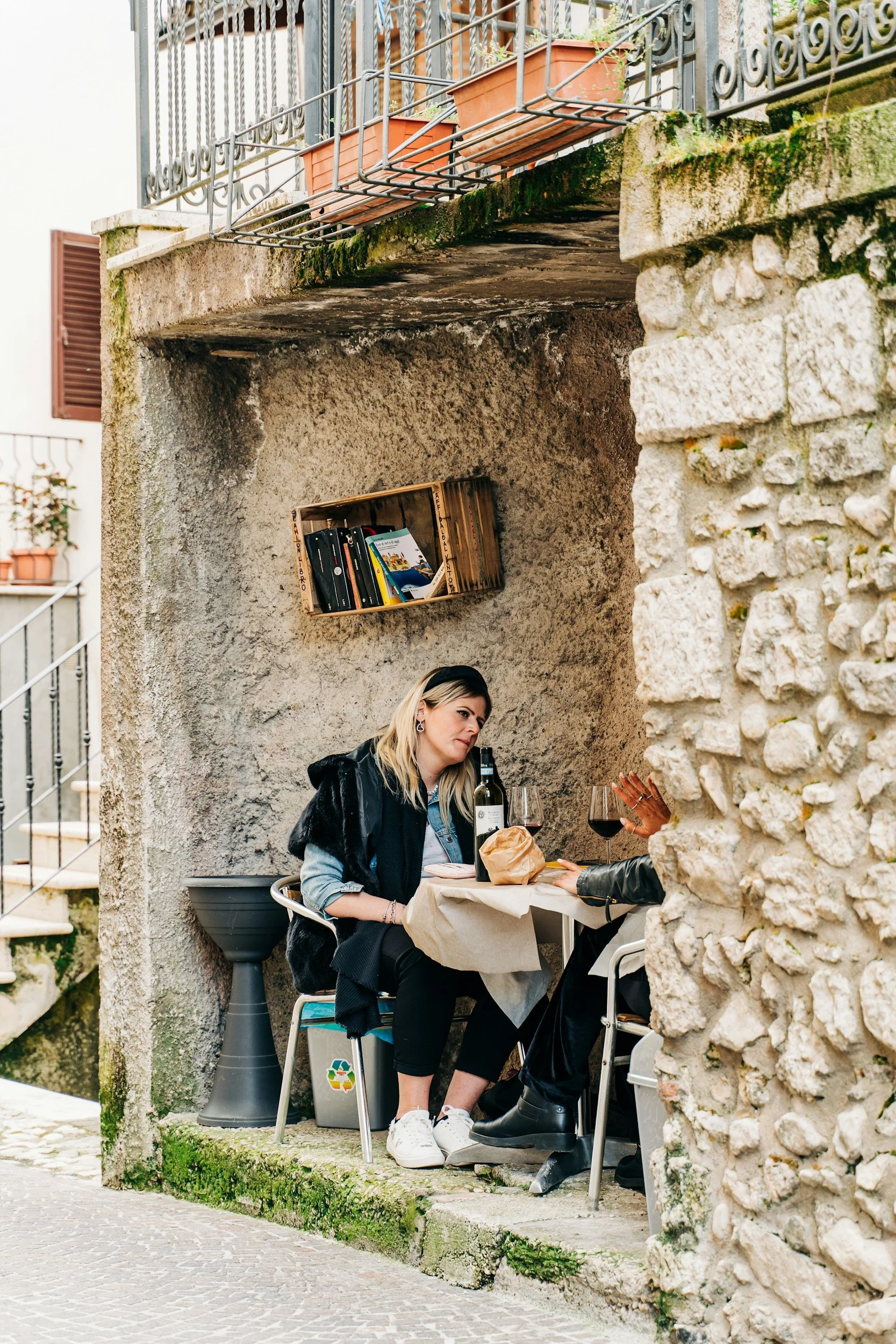
A glass of Friulian wine and a couple of tartine
There's a lovely little tradition in Friuli called tajùt, which is simply stopping at an osteria for a small glass of wine. Nothing elaborate, just a glass of something local, perhaps a bite to eat, and a chance to sit down for a while. You'll sometimes hear people ask for un taj di blanc if they fancy white wine, or un taj di neri for red.
In Udine, I'd head to Osteria Al Cappello, on Via Paolo Sarpi, just off Piazza San Giacomo. It's a good address to have in mind when you're walking around the old town and feel like stopping somewhere without committing to another proper meal.
I'd start by having a look at the tartine. Al Cappello is particularly known for them, along with its little pizzette, and the osteria prepares more than 40 varieties each day. That's quite a selection for what might have started as a quick glass of wine! I'd pick a couple that sounded interesting rather than order a larger plate, especially after a proper Friulian lunch.
For wine, ask what's open from the region. Friulano would be my first choice if they have it by the glass, although Ribolla Gialla is another name worth remembering. You'll find both still and sparkling versions of Ribolla, so it's worth asking which they're pouring. If you prefer red, see whether they have a Schioppettino, a local wine particularly associated with the hills around Prepotto.
You don't need to know much about Friulian wine before walking in. Just ask Quali vini friulani avete al calice? (Which Friulian wines do you have by the glass?) and choose something from what's open that day.
Al Cappello opens from 11:00 to 15:00 and again from 17:30 to 23:00, so it's worth remembering that there's a break in the afternoon. On Sundays, only the daytime service is available, and the osteria is closed on Mondays.
And if a glass of Friulano gets you interested in exploring more of Europe's smaller wine-producing areas, you might enjoy our guide to European wine regions worth travelling for.
Pick up gubana before you leave
I'd definitely leave a little room in my bag for gubana, especially if you're spending a weekend in Udine. It's a traditional sweet from the Natisone Valleys, east of the city, made from a soft, leavened dough rolled around a filling of dried fruit and nuts. The whole thing is curled into a spiral, so when you cut into it, you get those lovely layers of dough and filling.
You can pick one up at Panificio del Foro on Via Riva Bartolini, a handy little detour if you're already wandering around Via Mercatovecchio. They also make strucchi, smaller pastries from the same part of Friuli, which I'd be tempted to ask about if I didn't fancy carrying a whole gubana home.
It's the kind of thing I'd much rather buy from a bakery and enjoy later with a coffee than try to fit in after a big plate of frico. Just make sure you pop in on Saturday if you're visiting for the weekend, as the Udine shop is closed on Sundays.

Where to eat in Udine on a Sunday
Sunday needs a little more planning if you've been looking forward to a traditional Friulian lunch. Osteria da Artico is closed, so I'd make Casa della Contadinanza my first choice instead.
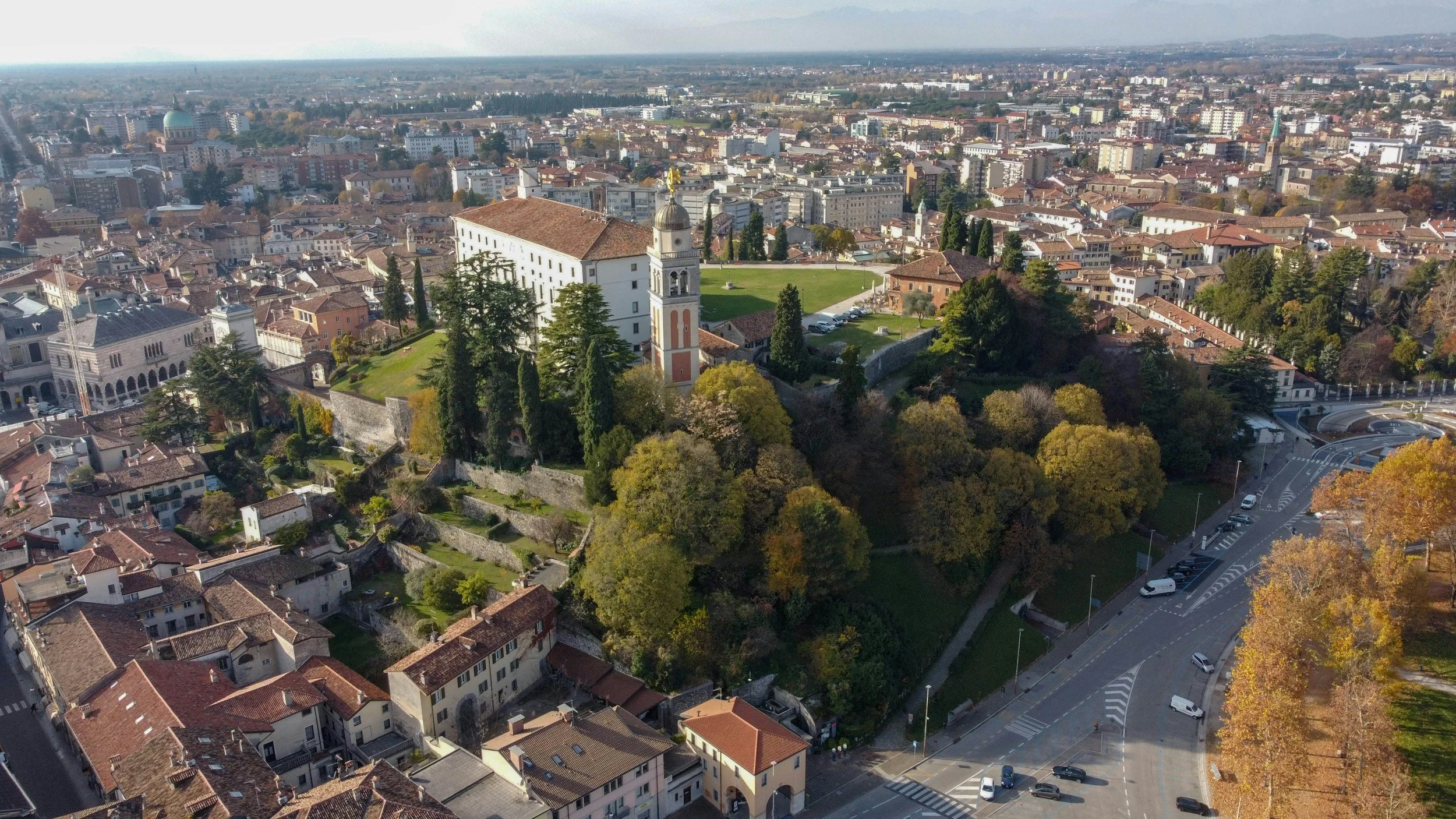
The restaurant sits on Piazzale del Castello, above the old town, which gives you a nice reason to combine lunch with a visit to the castle. It's a little more of an outing than simply stopping somewhere around Piazza San Giacomo, but I think that's part of the appeal if you have most of the afternoon free.
The menu changes regularly, although they've offered both cjarsons and frico, so it's a good place to look for traditional Friulian food. I'd book a table and confirm the lunch service rather than assuming you can order from the kitchen any time the restaurant is open.
If you only have a few hours in Udine, I'd stay around the old town instead. La Prosciutteria IE on Via Rialto is a simpler option for San Daniele ham, although it's worth checking the Sunday food service if you're arriving late.
There's also Osteria Al Cappello on Via Paolo Sarpi if you fancy a glass of wine and something small to eat. Just don't leave it until the evening, as Sunday service finishes at 15:00. And if you were hoping to take home some gubana from Panificio del Foro, you'll need to visit the bakery on Saturday.
For more ideas on travelling through this part of Italy, have a look at our guide to northern Italian towns you can reach by train.