
Not every dark sky destination is worth the drive. These are.
Most lists of stargazing spots in Europe end up repeating the same obvious places, usually framed around observatories, remote mountain peaks, or locations that look impressive on paper but are harder to experience in a relaxed, realistic way. What actually matters in practice is much simpler than that. It comes down to how easy it is to step outside after dinner, how quickly the light disappears once you leave a village, and whether the place still feels calm once the day visitors are gone.
The locations in this guide are chosen with that in mind. Each one has been selected based on how it works in real conditions, not just how it looks on a map. That means places where you don’t need specialist equipment, where you can reach a genuinely dark area without hiking for hours, and where the surrounding environment supports the experience rather than complicates it. In several of these destinations, the difference happens within minutes of leaving a main road or town centre, which is often what makes the experience feel more natural and less staged.
You’ll notice that the focus isn’t on “the best viewpoint” or a single marked location. Instead, the value is in understanding how each place behaves at night, where the light drops off, how the landscape shapes what you see, and how to position yourself without overplanning it. That’s also why this guide leans into specific roads, small areas, and timing details that tend to get overlooked but make a noticeable difference once you’re there.
If you’re planning a trip around stargazing, or simply want to add a few quiet evenings under a clear sky to an existing itinerary, these are places where it works without needing to turn it into a full activity.
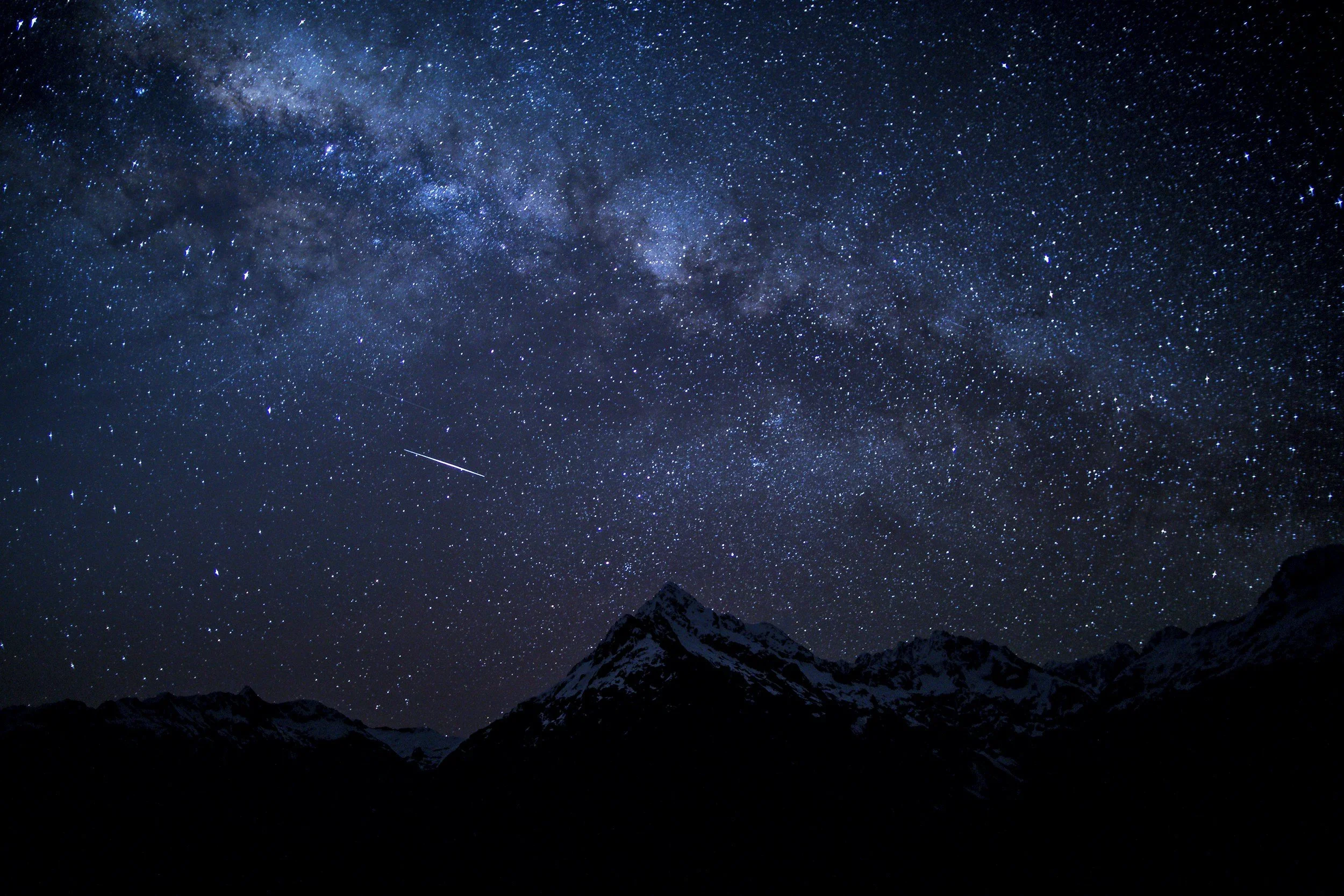
Isle of Sark, Channel Islands, UK
Sark is one of those places that only really makes sense once you stay the night.
It sits just off Guernsey, reached by the small passenger ferry from St Peter Port (the crossing takes around 40–50 minutes, depending on the sea). Most people arrive mid-morning, walk around for a few hours, and leave again on the last afternoon ferry. What they miss is the part that actually matters.
Because once that last boat pulls away, Sark goes properly dark.
There are no cars on the island, and more importantly, no streetlights. Not the “dim village lighting” you get in rural France or Italy - none at all. After sunset, the only light you’ll see comes from a few cottage windows along The Avenue, the main road running from the top of Harbour Hill past the post office and into the centre of the island.
You’ll notice it almost immediately if you’re staying overnight. Around 21:30 in summer, the island just… switches off. The Mermaid Tavern closes its doors, bikes get parked outside La Sablonnerie, and the road that felt quietly busy during the day becomes completely empty.
That’s when Sark actually starts.
For a first evening, the easiest place to walk to is just beyond La Seigneurie Gardens, on the lanes that lead out toward the west coast. During the day, this area feels structured and well-kept, but once it’s dark, you only need to walk a few minutes past the garden walls before everything opens up. No passing traffic, no distant glow - just fields, hedgerows, and a wide sky above you.
It’s not dramatic in an obvious way, which is exactly why it works. You’re not standing at a viewpoint. You’re just… there, in the dark, and your eyes slowly adjust.
If you want something more exposed, head out toward Les Laches du Nord on the northwest side of the island. The path there runs past open farmland and low stone walls, and you’ll likely pass maybe one or two people at most. There are no buildings out here, which makes a difference you can actually feel. After about ten minutes, the sky becomes sharper, deeper, more defined. Not because you’ve “found a spot,” but because there’s simply nothing interfering with it.
Another place that works really well, especially if the weather is completely still, is the path leading down toward Port du Moulin. It’s a bit of a descent, so you’ll want proper shoes and a small torch, but once you’re halfway down, you’re sheltered from wind and completely surrounded by darkness. You can hear the sea moving below you, even if you can’t see it, and the sky above feels unusually close.
People often mention La Coupée, the narrow ridge connecting Sark to Little Sark, but it’s not somewhere you want to be figuring out in the dark for the first time. It’s exposed, and even with railings, it can feel uneasy at night. A better way to do it is to cross just before sunset, then stay on the Little Sark side, somewhere near the old silver mines or the cliffs beyond. It’s flatter there, more open, and you’re far enough away from the main part of the island that it feels completely still.
One thing that doesn’t get talked about enough is how quickly Sark empties. Even in peak season, by the time it’s properly dark, you might walk for 20–30 minutes without seeing anyone. No cars, no distant road noise, no background hum. Just the sound of wind moving through the hedges or the sea hitting the rocks below.
That silence is what makes the stargazing here different.
You’re not standing somewhere “designed” for it. There are no signs, no platforms, no curated viewpoints. You’re just walking along a narrow lane between fields, or sitting on the edge of a cliff path, looking up.
If you’re staying near The Avenue, everything is within easy walking distance, which matters more than you think when it’s completely dark. Places like Stocks Hotel or the small guesthouses near the centre make it easy to step out after dinner without needing to plan anything complicated. And if you ask, people will usually give you their own quiet recommendations - not the obvious ones, but the ones they actually use.
Bring a torch (your phone won’t be enough), give your eyes a bit of time to adjust, and don’t rush it.
The first few minutes will feel darker than expected. Then shapes start to appear, the sky sharpens, and you realise just how rare it is to experience this level of darkness in Europe.
If you want a place where dark skies are easy to find without going too remote, this guide to stargazing in Scotland helps you choose the right area.
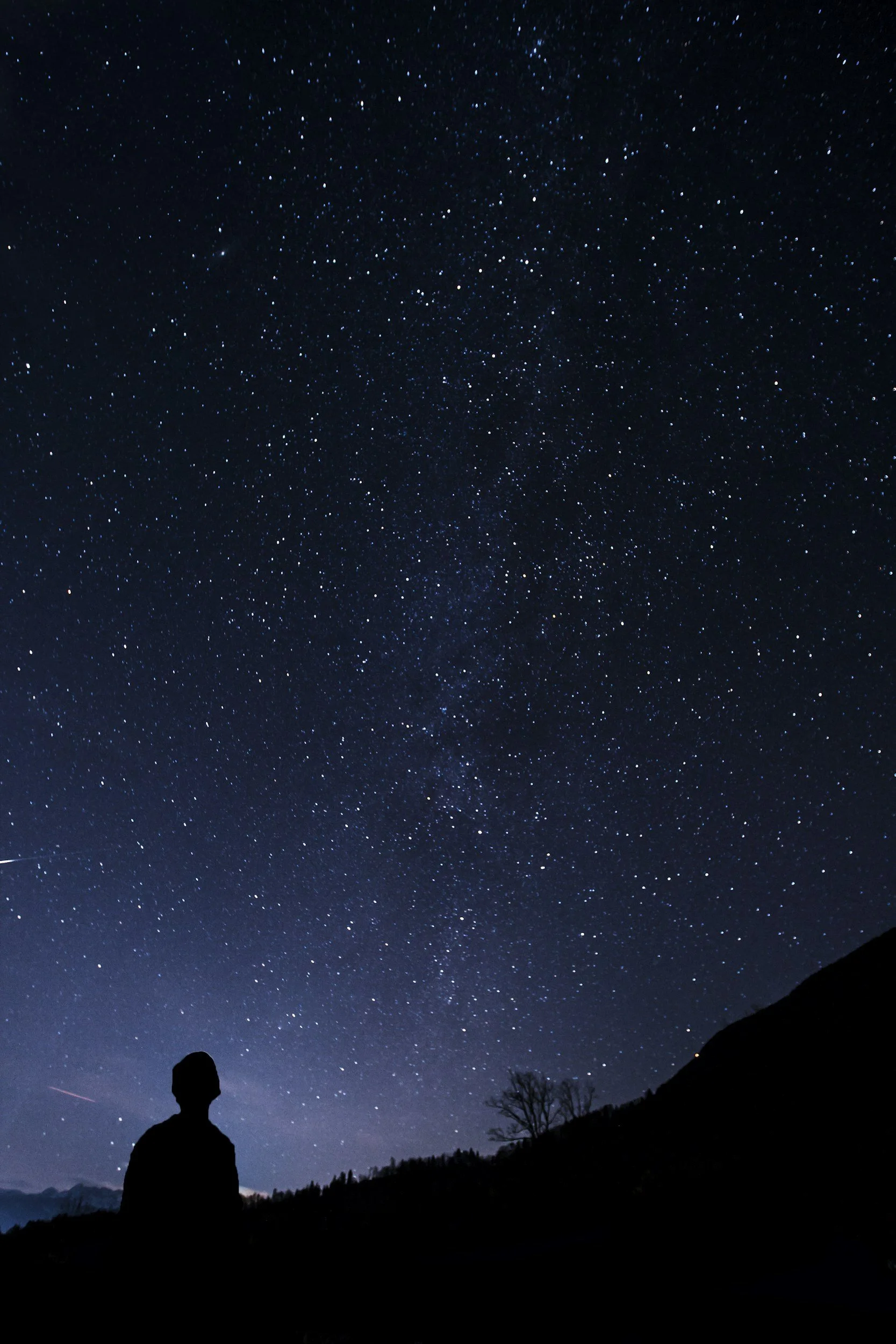
Cévennes National Park, France
The Cévennes isn’t somewhere you just “end up.” You go there on purpose, and usually after leaving somewhere busier behind.
It sits inland from Nîmes and Montpellier, and the shift happens quickly once you start driving in. Roads narrow, villages get smaller, and by the time you reach somewhere like Florac-Trois-Rivières, it already feels quieter than most places in southern France.
Florac is where most people base themselves, and it makes sense. There’s a small square near Place Louis Dides where people sit outside in the early evening, a bakery on Rue du Théron, and just enough going on that you don’t feel isolated. But you don’t come here for the town itself. You come here because within 10–20 minutes, you can be somewhere completely dark.
One of the easiest ways to experience that is to drive up toward the Causse Méjean plateau. Take the road out of Florac toward Le Rozier on the D907, then follow the smaller roads that climb up toward Hures-la-Parade. You’ll feel it as you go. Trees thin out, the air gets drier, and suddenly the landscape opens into wide, empty stretches of land.
Around Nivoliers and the quiet roads between Hures-la-Parade and Saint-Pierre-des-Tripiers, you don’t need to “find” a stargazing spot. You just pull over where it feels right. There are gravel lay-bys and small farm tracks where you can stop without blocking anything. Step out, turn off your headlights, and it’s already dark enough that you notice the difference straight away.
No distant glow, no passing traffic, just open land and sky.
If you stay a bit longer, your eyes adjust and the sky sharpens in a way that’s hard to describe until you see it. It’s not dramatic at first. It builds slowly.
If the plateau feels too exposed, there’s a completely different kind of darkness down in the valleys. Drive out toward Saint-Étienne-Vallée-Française, about 30 minutes from Florac. The road there winds through chestnut forests and small hamlets where you might see one or two lights in the distance, but not much else.
A very specific stretch that works well is the D984 heading toward Barre-des-Cévennes. There are a few natural pull-ins along the road, usually just before bends or small bridges. Stop there, switch everything off, and you’re surrounded by forest. It’s quieter than the plateau, more enclosed, and you’ll notice how sound carries differently. You hear the wind in the trees, maybe water moving somewhere below, but almost nothing else.
Another place that’s worth the drive if the weather is clear is Mont Aigoual. It’s the highest point in the Cévennes, and you can drive almost all the way to the top. The last stretch up past L’Espérou is slow and winding, but once you reach the area near the observatory, it opens up completely.
During the day, people come here for the view. At night, it’s a different atmosphere entirely. It’s colder, often windier, and much more exposed. But if the sky is clear, you get that full, uninterrupted horizon. No trees, no buildings nearby, just elevation and distance.
What makes the Cévennes stand out isn’t one “best” place. It’s how easy it is to find your own version of it.
You don’t need a marked viewpoint or a special trail. You drive 10–15 minutes outside any village, take a smaller road, and you’re there. That’s what most big travel sites miss. They focus on named spots, but here it’s more about understanding how the landscape works.
Timing still matters a bit. Even in summer, most villages quiet down by around 21:00. By 22:00, especially outside July and August, there’s very little movement on the roads. No background noise, no late-night traffic, nothing pulling your attention away.
Staying overnight is what makes it work properly. Small places around Florac, Meyrueis, or even more remote hamlets give you that freedom to step outside after dinner rather than planning everything around a drive back.
One practical thing that’s easy to underestimate is how dark it actually gets. Once you turn off your headlights, it’s properly black. Bring a real torch, not just your phone, and wear shoes you’re comfortable walking in on uneven ground. Some of those small roadside spots are just gravel or packed earth.
Also, fill up your car before heading deeper into the park. Petrol stations aren’t everywhere, and neither are late-night shops. It’s part of why the area feels so untouched, but it does mean you need to think ahead just a little.
If you’d rather keep your feet on the mainland, these quiet towns in the Loire Valley make for easy nights and slower days.
For bookshops, canals and slow afternoons in a village setting, this guide to Montolieu in France is a lovely option.
Pico Island, Azores, Portugal
Pico isn’t a place you figure out instantly. It takes a few hours before it clicks.
Most people arrive via Madalena, either by ferry from Horta on Faial or directly by plane. You step off, see Mount Pico rising in the background, maybe grab a coffee near the harbour, and it all feels fairly normal at first.
Then you leave town. Drive just five minutes out toward Criação Velha, and the shift happens quickly. The road narrows, vineyards take over, and those low black lava stone walls start running in straight lines across the landscape. During the day, it’s one of the most photographed areas on the island. At night, it becomes something else entirely.
If you follow the small road Rua das Adegas out through the vineyards, you’ll notice how fast the light drops away. Madalena is still technically behind you, but you can’t really see it anymore. There are small gravel openings between the vineyard walls where locals sometimes park during the day. At night, they’re empty.
Pull in, turn off the engine, and just sit for a minute.
The walls block the wind enough that it feels still, and once your eyes adjust, you start to see the outline of Mount Pico properly. Not dramatic, just a dark shape against the sky. It’s one of those places where you don’t need to “set anything up.” You’re already in it.
If you’re drawn to remote islands, dramatic skies and slow mornings, this exclusive Azores slow travel guide is worth reading next.
If you want more space around you, drive west along the coastal road from Madalena toward Candelária. Stay on the EN1-1A, but take the smaller turns toward the ocean when you see them. Around Rua do Calhau in Candelária, there are a few spots where the road dips slightly closer to the water.
There’s almost no street lighting here. Just the sound of the ocean and the occasional house set back from the road. After 21:30–22:00, it’s quiet enough that you can stand there for a long time without a single car passing.
A completely different feeling again is up near Lagoa do Capitão.
Take the road from São Roque do Pico up toward the lake. The turnoff is easy to miss if you’re not paying attention, but once you’re on it, the drive is slow and winding through forest before it suddenly opens up. You come out onto this wide plateau with the lake sitting almost flat in the middle.
At night, this is one of the few places on Pico where you feel the altitude slightly. It’s cooler, more open, and there’s nothing around you. No houses, no farm lights, nothing. If the wind drops, the surface of the water reflects parts of the sky, not perfectly, but enough that it changes how it feels to stand there.
Another spot that works really well, especially if you’re staying on the north side, is near Cachorro.
The turn down toward the coast is easy to drive past, but if you follow it all the way down, you reach a small area of volcanic rock formations right by the water. During the day, people come here for photos. At night, it’s usually empty. You’re close enough to the ocean to hear it clearly, but far enough from any village that there’s almost no light at all.
One thing that stands out on Pico is how early everything winds down.
Even in summer, places in São Roque or Lajes do Pico start closing around 21:00–22:00. After that, the roads are quiet. Not countryside quiet in a “few cars here and there” way. Properly quiet. You start to notice how little background noise there is.
Weather matters more here than almost anywhere else on this list. Clouds move fast across the island, and you can go from clear sky to completely covered in less than an hour. If it looks good, don’t wait. Just go.
Staying slightly outside the main towns makes a big difference. Areas around Prainha, or even along the road between São Roque and Santo Amaro, tend to have almost no surrounding light. In some places, you can step outside your accommodation and already be in near-total darkness without needing to drive anywhere.
Also, bring a proper torch. The ground is uneven almost everywhere, especially near the vineyards and along the coast. Once it’s dark, it’s properly dark!
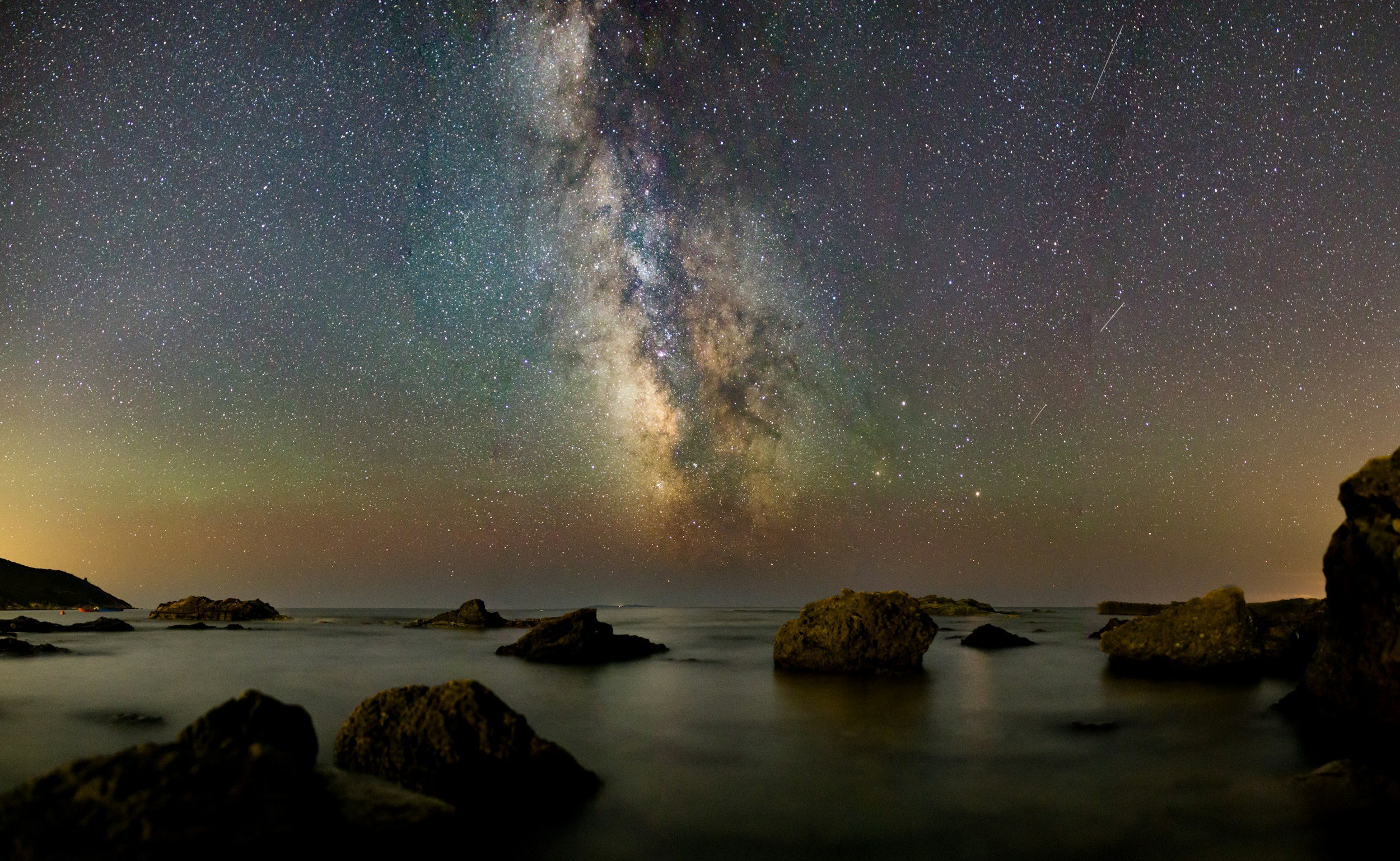
Aigüestortes i Estany de Sant Maurici National Park, Spain
This is one of those places where the stargazing only really works if you slow the whole trip down a bit.
Aigüestortes sits up in the Catalan Pyrenees, close to the border with France, and the landscape is very different from anywhere else on this list. Forest, water, granite peaks, and a lot of altitude. During the day, it’s all about hiking and lakes. At night, it becomes very still, very dark, and much quieter than people expect.
Most people enter the park from Espot, which is the easiest place to base yourself. It’s a small mountain village, but it has everything you need. A couple of restaurants, a bakery, and access up into the park via the 4x4 taxis that run to Estany de Sant Maurici during the day.
But for stargazing, you don’t actually need to go deep into the park.
One of the simplest spots is just outside Espot, along the road toward the park entrance. If you follow the road past the last houses on Carrer de Sant Maurici and keep going toward the forest edge, you’ll notice how quickly it darkens. There are a few small gravel areas where people park during the day before hiking. At night, they’re empty.
It’s a good first stop because it’s easy. You’re still close enough to the village to feel comfortable, but far enough out that the sky opens up properly.
If you want something a bit more elevated, head toward the area around Esterri d’Àneu. The road between Espot and Esterri, especially along the C-13, has several small side roads that lead down toward the river. Around València d’Àneu, you can turn off onto quieter lanes where there’s almost no traffic after dark.
Park near one of the open fields by the river and step away from the road. The mountains frame the sky here rather than block it, which makes it feel more contained but still very clear.
For a more remote feeling, the area around Port de la Bonaigua is worth the drive if conditions are right. It’s a high mountain pass about 30–40 minutes from Espot, and once you get up there, the landscape opens out. The road is wide and maintained, even at night, and there are several places where you can pull over safely.
Near the top, especially around the bends just before the summit, there are open areas without trees where you can step out and get a full view of the sky. It’s colder here, even in summer, and often windy, but on a clear night it’s one of the most exposed places in the region.
Another place that works well, and feels more grounded, is around the lake areas just outside the core park zone. Near La Guingueta d’Àneu, there are calm stretches by the water where you can stop without needing to hike. The reflections aren’t always perfect, but when the air is still, they add something subtle to the experience.
One thing that stands out here is how the sound changes at night. During the day, there’s movement. Hikers, cars, water, voices. At night, it drops away quickly. You’re left with wind through the trees, maybe distant water, and not much else.
Timing matters more here than in lower regions. In summer, it doesn’t get fully dark until quite late, often after 22:30. But once it does, the darkness feels deeper because of the surrounding mountains and lack of nearby towns.
Staying overnight in or near Espot makes everything easier. Small guesthouses and mountain hotels give you the flexibility to go out after dinner without needing to drive long distances. If you stay somewhere slightly outside the village centre, you may not even need to leave your accommodation area to get a clear sky.
One practical thing to be aware of is temperature. Even if the day has been warm, nights can drop quickly, especially if you head higher up toward places like Port de la Bonaigua. Bring layers, even in July or August.
Also, bring a proper torch. Paths, parking areas, and roadside spots are often uneven, and there’s no lighting
The Scottish Highlands, UK
The Highlands aren’t really about arriving somewhere specific and thinking “this is the spot.” It’s more that you find yourself driving through, planning to stop later, and then suddenly realising you don’t actually need to go any further because it’s already dark enough and quiet enough right where you are.
If you’re flying into Scotland and spending a few days in the city before heading north to the Highlands, these quiet cafés in Edinburgh are perfect for slow mornings and planning the next leg of your trip.
Glencoe is a good example of that shift, because during the day it can feel almost too busy, with cars lining up along the A82, people stepping out at every viewpoint, and a constant sense of movement that doesn’t quite match what you expect from the landscape. But if you stay a little longer or head back out after dinner, it changes quickly in a way that feels almost abrupt.
If you drive through Glencoe Village and continue toward Ballachulish, then turn off onto Old Glencoe Road just before the loch, you’ll notice how the atmosphere settles as soon as the main road disappears behind you. The houses thin out, the road becomes quieter, and there are a couple of uneven gravel patches where you can pull in without really thinking about it, the kind of places you might drive past during the day but that make more sense once it’s dark.
Standing there, it doesn’t feel like you’ve gone anywhere special, but the mountains block most of the remaining light from the main road and nearby villages, and once your eyes adjust, the sky starts to come through properly without you needing to search for it or position yourself in a particular way. It’s not dramatic in the obvious sense, which is exactly why it works.
If you keep driving north instead of turning off, the landscape opens out into Rannoch Moor, and the difference is noticeable without needing to explain it. The road between Kingshouse Hotel and Bridge of Orchy runs through long, flat stretches where there are no real settlements, no clusters of lights, and very little that interrupts the horizon.
Around Loch Ba, there are a few natural pull-ins along the roadside where photographers tend to stop during the day, and at night those same places feel completely empty, not in a remote or intimidating way, but in a way that makes it easy to just step out of the car and stand there for a while without distraction. Because the land is flatter here, you’re not as enclosed as in Glencoe, and that changes how the sky feels, giving you a wider, more open view without needing to climb anywhere or walk far.
Further west, Applecross feels like a separate part of the Highlands altogether, and getting there is part of the experience. The drive over Bealach na Bà is steep and slow, with tight bends that are better handled in daylight, so it’s worth doing earlier in the day and then staying on that side rather than crossing back after dark.
Once you’ve come down toward the coast and reached the area around Camusterrach, the pace drops noticeably, and by the time evening sets in, there’s very little movement on the roads. There are no marked viewpoints, just small openings along the coastal road where you can pull over without being in the way, and when you step out, you’re looking out toward the sea with almost no artificial light anywhere nearby.
It feels more exposed than Glencoe, less sheltered, and a bit more dependent on the weather, but on a clear night it’s darker in a way that’s immediately noticeable, not because it’s been designed for stargazing, but because there’s simply nothing there to interfere with it.
If you go further north, around Lochinver, it becomes even more straightforward. The drive out toward Achmelvich Beach is easy, but instead of continuing all the way to the main car park, it’s better to stop earlier, somewhere near Baddidarrach, where the houses start to disappear and the road opens up slightly.
There are a few quiet pull-ins along that stretch, and once it’s past 22:00, especially outside peak summer, you’re unlikely to see many cars at all. The sound of the ocean carries more clearly here, and because there’s so little surrounding light, your eyes adjust faster than you expect, so the sky builds gradually without that moment of “searching” for it.
One thing that’s easy to underestimate is how late it takes to get properly dark in this part of the UK, especially in early summer when the light lingers well past 22:00 and never quite fades into full darkness. If the goal is actually to see stars clearly, late August into October tends to work better, when the nights are darker but the conditions are still manageable.
You also don’t need to plan long drives once you’re there. Even a short distance outside places like Ballachulish or Kinlochleven makes a noticeable difference, and often the best moments happen when you stop somewhere unplanned rather than heading toward a specific location.
It’s worth bringing warm layers, even in summer, because the temperature drops quickly once the sun disappears, and a proper torch makes a big difference as well since most of these roadside spots are uneven and completely unlit once you step away from the car.
If you’re travelling solo and like the idea of pairing the coast with quiet nights, this Ayr solo travel guide is a helpful starting point.
Iyou prefer softer landscapes, forest trails and peaceful evenings, this piece on nature in Wales gives you ideas for a calmer trip.

What actually makes a good stargazing night (and what most people get wrong)
Most people treat stargazing like something you plan once and tick off, but it rarely works that way in reality. The nights that stay with you are usually the ones where you didn’t get it perfectly right the first time, went back inside, made a cup of tea or poured a glass of wine, and then stepped out again twenty minutes later because something felt different.
That’s especially true in places like Pico or the Cévennes, where the sky can shift quickly and where stepping just a little further down the road, or even just turning off a light behind you, changes more than you expect. On Pico, for example, it’s not unusual to leave Rua das Adegas thinking the clouds have rolled in, only to find a clear patch ten minutes later closer to Candelária. In the Cévennes, driving five extra minutes past Hures-la-Parade instead of stopping too early often makes the difference between a decent sky and a completely clear one.
It’s also worth not overthinking where you stand. Some of the better moments happen in places that don’t look like anything special in daylight, like a quiet lay-by along the D984 near Barre-des-Cévennes, or a slightly uneven pull-in near Loch Ba that you almost drive past. You don’t need a viewpoint. You just need a bit of distance from light and a place where you feel comfortable staying for a while.
One thing that helps more than people expect is doing a quick check before it gets dark. Notice where the nearest lights are, where the ground is uneven, where you can actually sit or lean against something. It sounds small, but it changes how long you stay outside, and that’s usually what determines whether the experience feels rushed or not.
And then there’s the part no one really mentions. After ten or fifteen minutes, your eyes adjust, but so does everything else. Sounds become clearer, distances feel different, and you stop checking your phone because it doesn’t really add anything. That’s usually the point where it shifts from “looking at the sky” to just being there.
If there’s one thing to take from all of this, it’s not to chase the perfect conditions too much.
Go out, stay longer than feels necessary, and give it a second attempt if the first one doesn’t land. That’s usually when it actually works.
For a proper snow-quiet night sky in the mountains, this look at Bettmeralp in winter shows why it works so well.
FAQ: stargazing in Europe
Where can you stargaze in europe without hiking or planning a full trip?
Some of the best stargazing in Europe is surprisingly easy to access if you know where to stop. You don’t need to hike into remote mountains.
Places like the roadside stretch near Loch Ba on the A82 in Scotland, the vineyard lanes along Rua das Adegas on Pico Island, or the plateau roads around Hures-la-Parade in the Cévennes allow you to park, step out, and already be in near-total darkness within minutes.
The key is choosing areas where light drops off quickly once you leave a village, rather than chasing remote “destinations.”
what is the best month for stargazing in europe?
If you want proper darkness without extreme cold, late August through October is one of the most reliable periods across Europe.
In northern areas like the Scottish Highlands, June and early July never get fully dark, which makes stargazing difficult. In southern regions like the Cévennes or Pico, you can still see stars in summer, but the sky becomes noticeably clearer and deeper later in the season.
can you see the milky way in europe without a telescope?
Yes, but only in places with very low light pollution and clear conditions.
Locations like Sark, the Causse Méjean plateau in the Cévennes, and parts of Pico Island away from Madalena are dark enough for the Milky Way to appear as a visible band across the sky. It won’t look like long-exposure photos, but once your eyes adjust, it’s clearly there.
how far do you need to drive to avoid light pollution in europe?
In most of the locations in this guide, 5 to 15 minutes is enough.
For example:
leaving Florac toward the plateau
driving out of Madalena toward Candelária
continuing past Glencoe Village toward Rannoch Moor
Light pollution drops faster than people expect once you move away from town centres.
is stargazing in europe better by the coast or in the mountains?
It depends on what kind of experience you want.
Coastal areas like Applecross or Cachorro on Pico tend to feel more open, with fewer obstacles blocking the sky, while mountain regions like Aigüestortes or the Cévennes valleys feel more sheltered and still.
Coastal skies can be clearer but more exposed to wind, while inland areas are often calmer but slightly more enclosed.
what time should you go out for stargazing in europe?
A good rule is to wait at least 60–90 minutes after sunset, when the sky has fully darkened.
In places like the Cévennes or Pico, it’s also worth stepping outside more than once. It’s common for the sky to improve later in the evening as lights switch off, temperatures drop, and the air settles.
do you need special equipment for stargazing in europe?
No. In most of these locations, you can see a clear night sky with the naked eye.
What helps more in practice is:
a proper torch (not just your phone)
warm layers
stable shoes for uneven ground
In places like Lagoa do Capitão or Port de la Bonaigua, the temperature drops quickly after sunset, which often limits how long you stay outside.
is it safe to go stargazing alone in europe at night?
In rural areas like those in this guide, it generally feels very safe, especially because there are so few people around.
The main things to be aware of are practical:
uneven ground
limited lighting
minimal mobile signal in places like Rannoch Moor or parts of the Cévennes
Choosing accessible roadside spots close to your accommodation usually makes the experience more comfortable.
Want more quiet adventures?
If stargazing with a blanket and a flask sounds more like your dream night than a night out, you’re in the right place. For more slow escapes, dark sky getaways, and cozy travel guides across Europe, join our newsletter!