
The side of Sicily most people never think about is growing mangoes
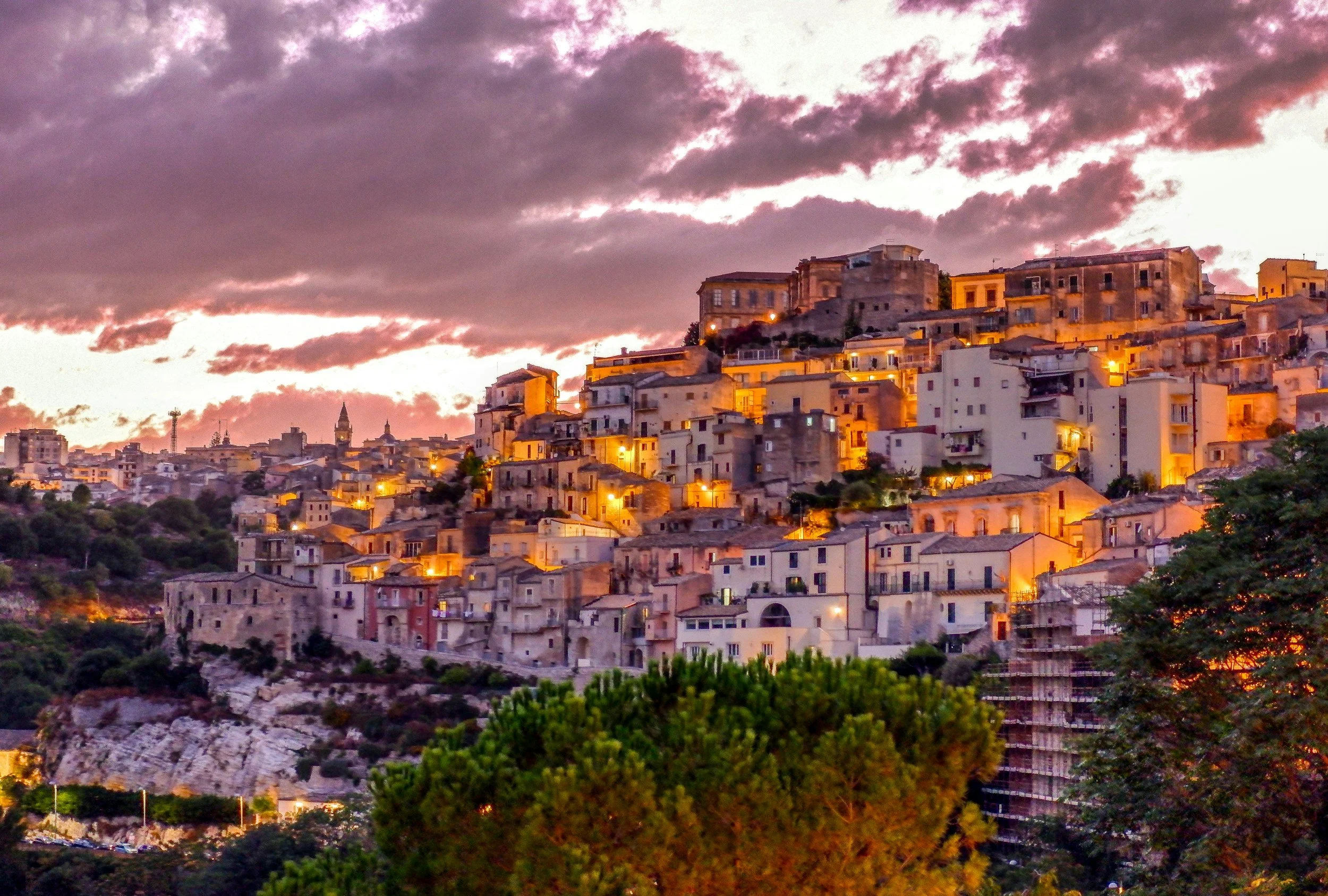
You notice it when something feels slightly off, but in a good way.
You’re standing at a stall in Palermo, maybe along Via Ballarò where everything is piled up without much order, and between the usual citrus and tomatoes there’s a crate of avocados that don’t look imported. They’re not perfectly shaped, a bit uneven, softer than you expect. Someone picks one up without hesitation, pays, and moves on.
No one explains it. It’s just there.
A few days later, you’re driving out past Scicli, taking a smaller road because the main one feels too direct, and you start noticing the trees. Not olive trees, not citrus. Taller, denser, leaves that don’t quite match what you’ve been seeing elsewhere on the island. You pass them once, then again, and realise they’re everywhere in certain pockets if you slow down enough to look.
That’s when it starts to make more sense.
This isn’t something that’s been introduced all at once. It’s been building quietly. The climate already allows for it, especially in the south and around the slopes of Mount Etna, where the soil holds heat differently. People have just started using that in a different way.
You’ll see it again, but not in the way you expect. Not labelled as “tropical Sicilian cuisine” or anything like that. More like a small shift in what ends up on your plate.
A dish in Catania that tastes slightly rounder than usual. Something you can’t quite place at first. Or a dessert that leans less on sugar and more on the fruit itself. You don’t stop and analyse it, but you notice it.
The coffee is the only part people tend to mention out loud. Small-scale, still limited, mostly around Etna. You might come across it if you’re paying attention, or you might not. It’s not something every café is serving yet.
If you’re thinking this sounds very different from the usual Italian food picture, this Bologna food guide shows what that looks like in a more traditional region.
Visit Sicilian farms for fresh avocados & mangos
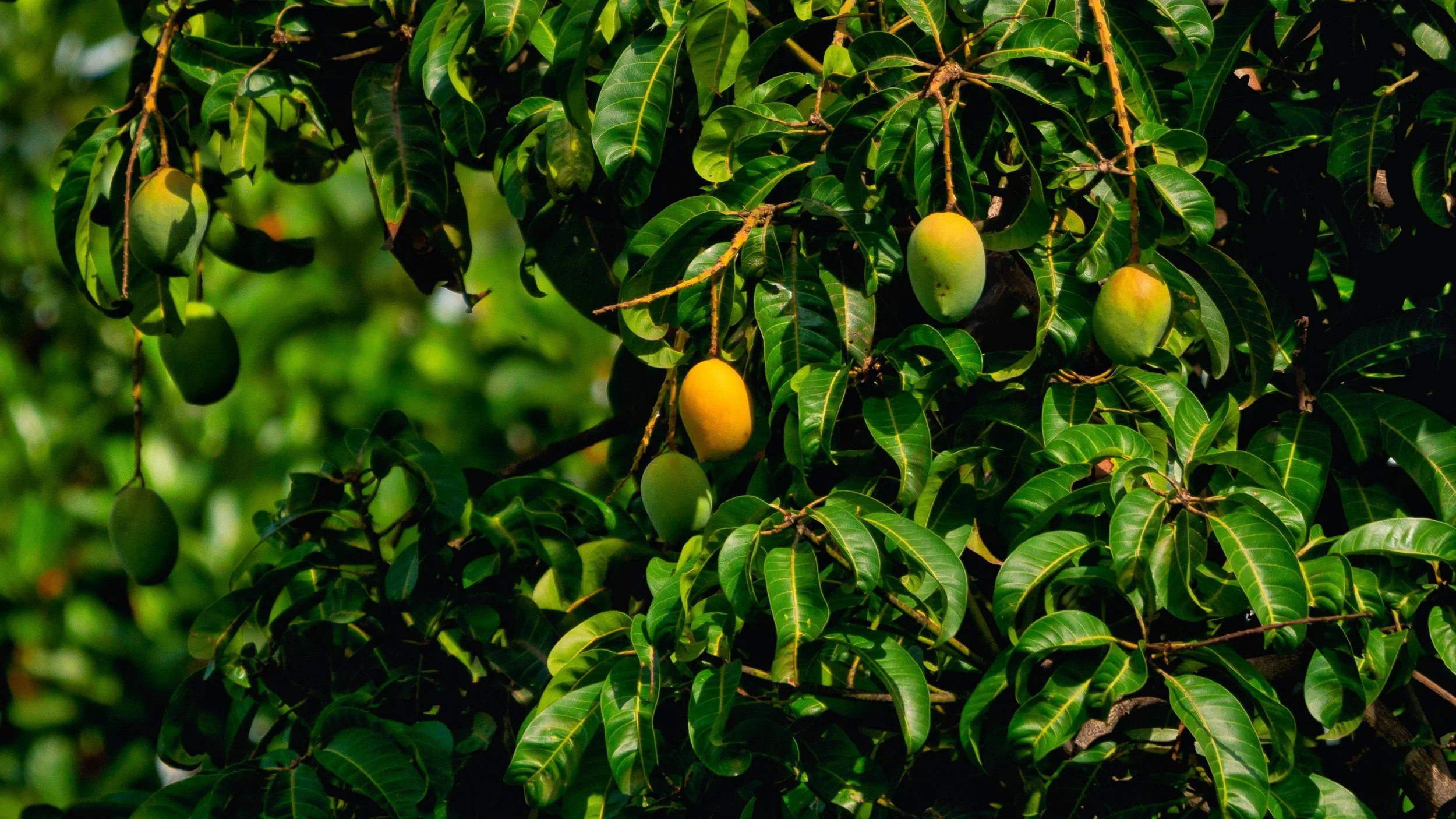
Take the SP39 out of Ragusa towards Scicli instead of sticking to the faster route. The road dips and curves, and after a while the landscape starts to shift. Olive trees become less consistent. Then you pass fenced plots where the trees sit closer together, darker leaves, more shade underneath. That’s usually your first clear sign.
Around Contrada Zagarone and the stretch heading down towards Donnalucata, you’ll find some of the more established avocado farms. They’re not marked as attractions. What you’re looking for are small roadside setups, a table, plastic crates, sometimes a handwritten price sign in Italian. If there are a couple of cars parked awkwardly at the side of the road, it’s usually a good indicator something is being sold.
You don’t walk in and browse. You stand near the table, look at what’s there, and someone will come out from behind the house or from further into the field. Transactions are quick. No packaging beyond a bag, sometimes not even that.
Mango is more seasonal and less visible unless you’re there at the right time. Late summer is when you’ll see it properly, often in smaller quantities, sometimes mixed in with other fruit rather than displayed on its own.
If you’re on the eastern side of the island, the setup changes. Around the lower slopes of Mount Etna, near places like Giarre or Acireale, the farms are smaller and less visible from the road. Here, it’s more likely you’ll need to know where you’re going or be pointed in the right direction locally.
Between 10:00 and 12:00 is when you’re most likely to catch someone actually there. Earlier than that, the setups aren’t out yet. Later, especially after 13:00, a lot of it disappears and the roadside looks empty again.
Sicilian food markets: tropical fruits meet tradition
Sicilian markets are a must for anyone who likes to travel slowly and really soak up local life. The markets in Palermo and Catania are buzzing with energy and packed with fresh, vibrant ingredients - from just-caught fish to fragrant citrus fruits. What’s really interesting is how these markets showcase Sicily’s changing food scene, where classic local flavors now mingle with tropical fruits like avocados and mangos.
Take a stroll through La Vucciria Market in Palermo, for example. Here, you’ll see vendors selling Sicilian avocados right next to the famous local lemons. If you want a quick and tasty snack, try a fresh Sicilian avocado salad or treat yourself to mango gelato - a fun way to enjoy the island’s tropical twist without straying too far from traditional flavors.
For the best experience, head to the markets early in the morning. That’s when the locals shop, the produce is at its freshest, and the atmosphere is calm and genuine (not overwhelmed by tourists). You’ll get to explore with a relaxed vibe and maybe even chat with some friendly vendors while you’re at it.
Italy doesn’t move at the same pace everywhere, and checking Italian food seasons makes it easier to understand why Sicily feels a bit out of sync.
Mango & avocado dishes in Sicilian restaurants
Sicily’s chefs are mixing things up by adding tropical fruits to traditional dishes, giving them a fresh, exciting edge. You’ll find dishes like mango-infused pasta or risotto with avocado and citrus popping up on menus across the island’s more contemporary restaurants. These meals still honor the classic Sicilian staples (think quality olive oil, fresh herbs, and local seafood) but the addition of tropical flavors brings something new and vibrant to the table. It’s a great way to experience Sicily’s evolving food scene while keeping that authentic feel.
For a genuine, low-key dining experience, Osteria del Mare in Catania is a great pick. It’s a small, relaxed spot where locals hang out, and they often feature dishes with mango and citrus marinades paired with fresh fish caught nearby. The vibe is simple and friendly - perfect if you want to enjoy new flavors without fuss.
If you’re in Ragusa, don’t miss Ristorante Duomo. Their seasonal menu changes regularly, and they’ve been known to creatively include tropical ingredients alongside classic Sicilian dishes.
Sicilian coffee from Mount Etna’s volcanic slopes
Sicily’s coffee scene is getting a fresh boost thanks to the unique volcanic soil on Mount Etna, where local farmers have started growing their own coffee beans. The rich minerals and warm climate create beans with a bold, rich flavor that you won’t find anywhere else. It’s a new and exciting part of Sicily’s food landscape that’s definitely worth exploring if you love coffee.
If you’re into coffee, consider booking a tour around the Etna region to visit some of these farms. You’ll get to see how the beans are cultivated, harvested, and roasted right on the mountain slopes. Along the way, many small cafés are popping up, proudly serving coffee made from these local beans. Caffè Sicilia in Catania is a standout spot—here you can enjoy tastings of Etna-grown coffee while learning about how this new coffee tradition is growing and evolving on the island.
For a more low-key stop, head to a little café in Zafferana Etnea. The espresso made with beans from Mount Etna is a favorite among locals, known for its smooth yet intense flavor.
Sicilian street food with mango & avocado flavors
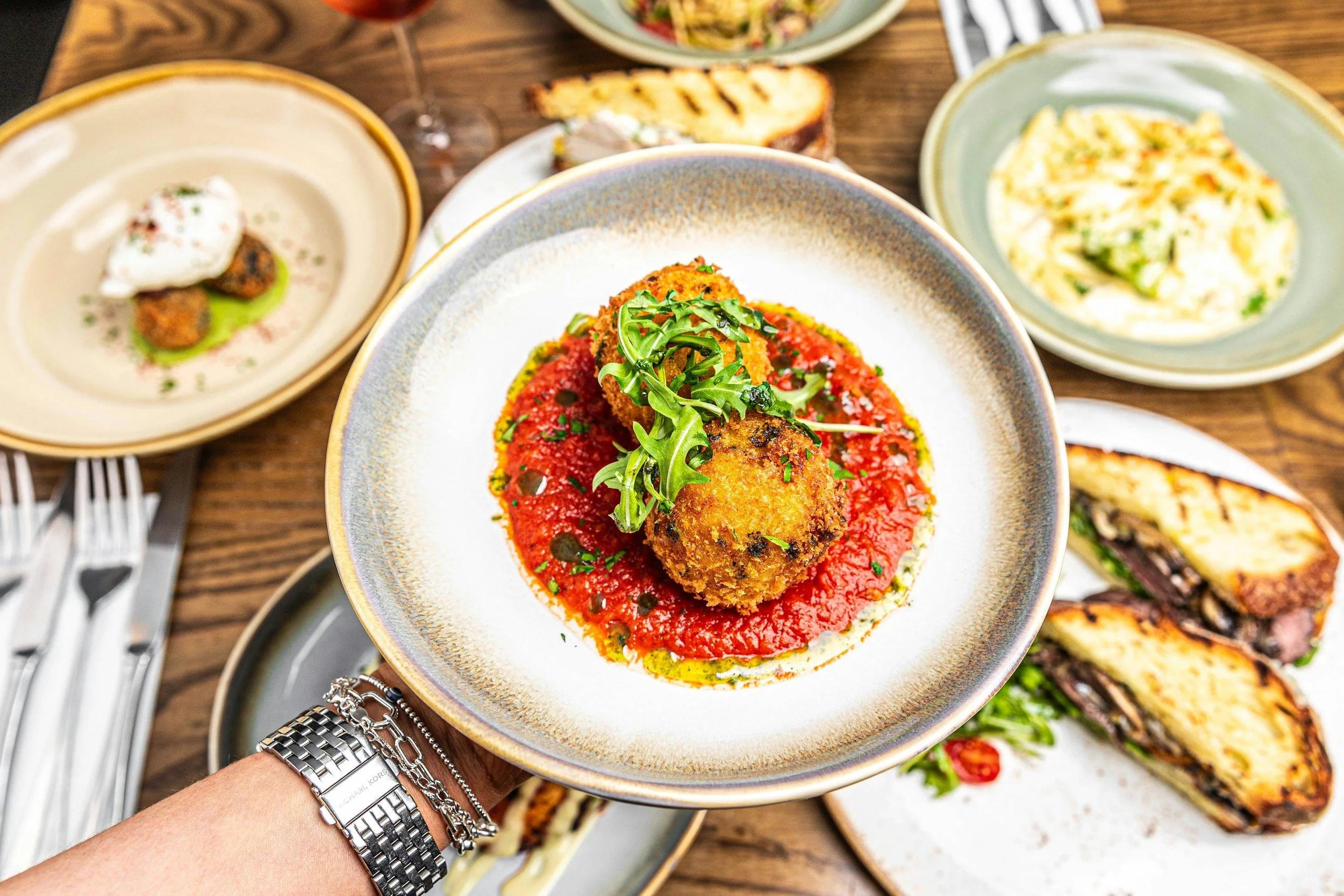
Sicilian street food is famous for good reason, but lately it’s been getting a fresh update. Imagine biting into arancini (those classic fried rice balls) but filled with mango chutney instead of the usual ragù. Or trying panelle, those crispy chickpea fritters, served alongside creamy fresh avocado. These new takes are popping up in small local spots and food stalls around Palermo, giving the traditional flavors a fun tropical twist.
If you’re wandering around Catania, make sure to stop by Fritto. This place is known for putting a creative spin on classic Sicilian snacks, and their Sicilian Avocado Arancini is a must-try. The creamy avocado inside paired with the crunchy, golden outside makes for the kind of street food that’s both comforting and exciting. Perfect for a casual bite while exploring the city.
Markets here don’t always follow the same rhythm either, which is why a quick look at market days in Italy helps avoid turning up when everything’s already packed away.
Pairing Sicilian wine with tropical flavors: a new wine experience
Sicily’s wine scene has always been rich and exciting, known especially for bold reds like Nero d’Avola and Frappato. But with the island’s food scene embracing tropical flavors, there’s a fresh way to enjoy wine here that’s worth exploring. White wines like Grillo and Catarratto, with their crisp acidity and bright notes, pair surprisingly well with dishes featuring mango, avocado, and citrus. They bring out the fruity freshness of these ingredients without overpowering them, making for a refreshing and balanced experience.
If you’re curious to try this new style of Sicilian wine and food pairing, Planeta Winery in Menfi is a great place to start. They’re known for blending tradition with sustainability and innovation, producing wines that reflect the unique terroir of the region. Visiting Planeta means you get more than just a tasting—you get to take in sweeping vineyard views while sampling wines thoughtfully matched to Sicily’s evolving flavors.
I highly recommend a visit to Planeta Winery in Menfi, which has become a leader in sustainable, innovative wine production. Not only will you experience incredible views of the vineyards, but you’ll also be treated to wine pairings that perfectly complement Sicily’s evolving cuisine.
Further north, the landscape shifts again, and this Prosecco hills guide shows how closely food and scenery are tied together there.
If you’re trying to picture how all of this plays out day to day, these Italian market towns give a clearer sense of what you actually walk into.
Best time to visit Sicily for tropical flavors
If you’re coming to Sicily specifically for avocados, mangos, and anything even slightly tropical, timing matters more than people expect.
You can technically find Sicilian avocados most of the year now, especially around markets in Palermo or Catania, but they’re not always at their best. Early spring, around March to May, is when they tend to be at their peak. That’s when you’ll see more of them coming from the south, especially areas around Ragusa, and they actually taste like something rather than just being there.
Mango is different. It’s much more seasonal and less predictable. Late summer into early autumn, roughly August through October, is when you’ll see it properly, especially if you’re driving through places like Scicli or down towards the coast near Donnalucata. Outside of that window, it’s either not there or not worth going out of your way for.
Coffee is still limited. If you’re hoping to try something grown on the island, you’ll need to be more intentional. Small-scale production around the slopes of Mount Etna means it shows up occasionally rather than consistently. You might come across it in a specialty café in Catania, or you might not see it at all depending on timing and availability.
What works best, if this is the reason you’re coming, is to aim for late summer into early autumn. That’s when everything overlaps. Mango is in season, avocados are still available, and the markets feel fuller with local produce rather than a mix of imported and local.
If you come earlier in the year, you’ll still see parts of it, but it won’t feel as complete. Later in autumn, it starts to drop off again.
The difference isn’t huge on paper, but once you’re there, it changes what you actually come across without needing to search for it.
In places like Parma, the focus is still very much on tradition, and this Parma guide makes that contrast pretty obvious.
FAQs about Sicily’s new food scene (avocados, mangos and local coffee)
Does Sicily really grow avocados and mangos now?
Yes. In southern Sicily, especially around Ragusa and Scicli, avocados and mangos are now grown locally and sold directly or through markets.
Where can I see avocado farms in Sicily?
You’ll find them along smaller roads between Ragusa and Scicli, particularly around areas like Donnalucata. Look for fenced plots and roadside stalls rather than marked attractions.
When is the best time to visit Sicily for mango season?
Late August to October is the most reliable period. This is when mango is actually in season and shows up in markets and on menus.
When are Sicilian avocados at their best?
Late winter to spring (February to May) is when locally grown avocados are most consistent in quality and easier to find.
Can you visit farms growing tropical fruit in Sicily?
Some farms allow informal visits, but most are not set up for tourism. You’re more likely to stop at a roadside setup or buy directly at the entrance.
Where can I try dishes with Sicilian avocados or mangos?
In cities like Catania and Palermo, you’ll find restaurants using them in small ways, often combined with seafood or traditional Sicilian dishes rather than standalone “tropical” menus.
Is coffee grown in Sicily or is that a myth?
It’s real, but very limited. Small experimental farms on the slopes of Mount Etna are producing small quantities of coffee.
Where can I drink coffee grown in Sicily?
A few specialty cafés in and around Catania occasionally serve it, but availability changes and it’s not something you’ll find everywhere.
What part of Sicily is best for this new food scene?
Southern Sicily (Ragusa, Scicli) is the most established for tropical fruit, while eastern Sicily near Mount Etna is where more experimental growing is happening.
Is this a trend or something permanent in Sicily?
It’s not a short-term trend. These crops are being grown because the climate supports them, so they’re likely to become a more regular part of the island’s food scene over time.