
7 vintage hotels with the kind of character you can't renovate
Vintage hotels are having a bit of a moment, and it's easy to see why. After years of identical boutique hotels with neutral colours, minimalist furniture, and the same design ideas repeated from city to city, more travellers are looking for places with actual personality.
The best vintage hotels in Europe don't feel staged or nostalgic for the sake of it. They feel connected to their buildings, their neighbourhoods, and the era that inspired them. You might find original 1970s interiors in Copenhagen, mid-century details in Rome, colourful retro design in Lisbon, or carefully restored spaces that feel completely different from the average hotel room.
What makes these places memorable isn't just the design. It's how the whole stay feels. The lighting is warmer, the common spaces are somewhere you actually want to spend time, and the atmosphere often feels more personal than larger chain hotels.
This guide focuses on vintage and retro-inspired hotels across Europe that combine distinctive design with locations you'll genuinely enjoy staying in. Some sit in lively city neighbourhoods, others overlook quiet streets or courtyards, but all of them offer something increasingly difficult to find: a hotel you'll still remember long after the trip is over.
Hotel de la Ville, Rome: retro 70s design near the Spanish Steps
Hotel de la Ville sits at the very top of the Spanish Steps on Via Sistina, one of those locations that sounds touristy on paper but actually works surprisingly well in practice. You can walk down to Piazza di Spagna in a couple of minutes, browse the boutiques along Via Condotti, spend a morning in Villa Borghese, and still be back at the hotel for a break before lunch.
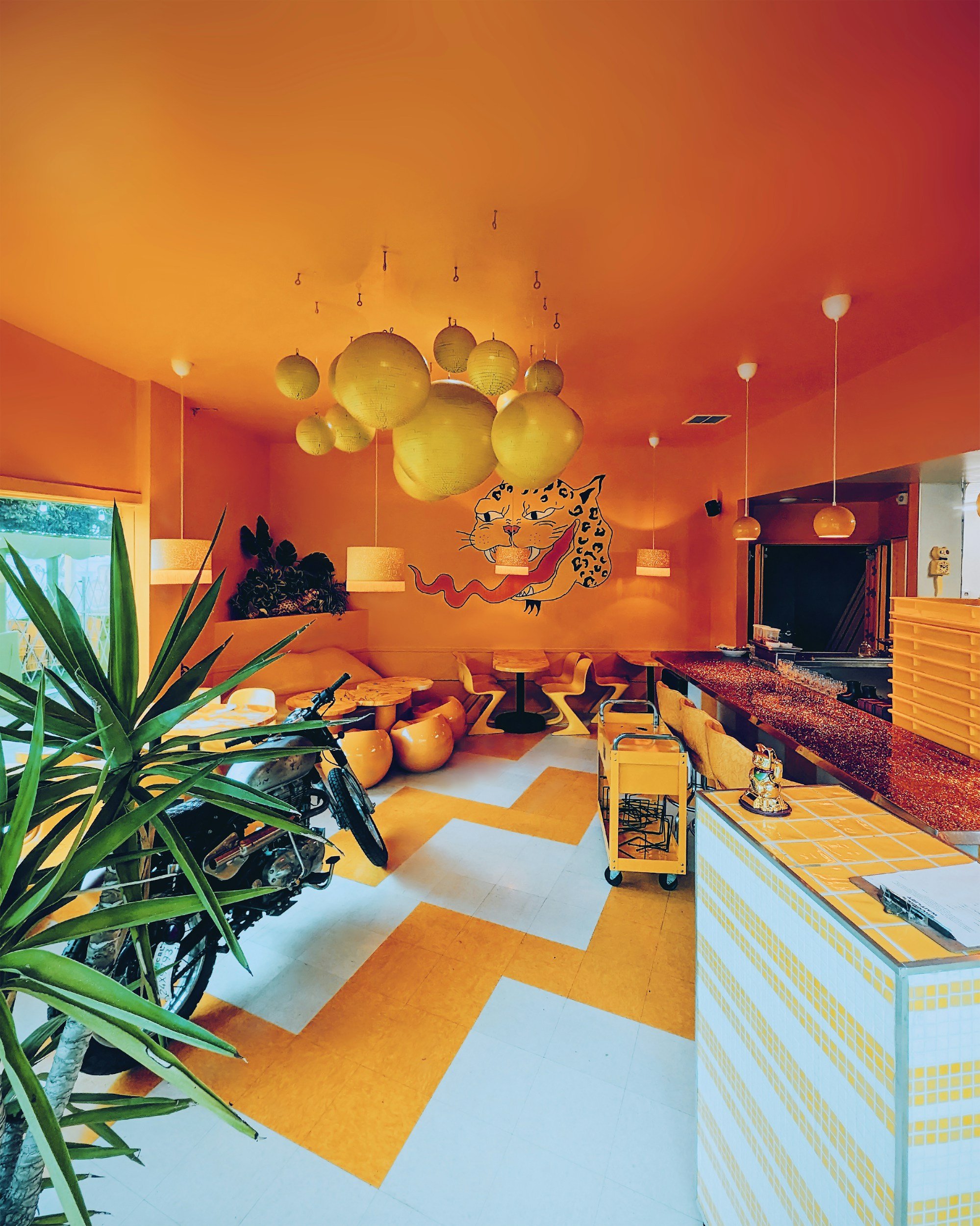
The building dates back to the 18th century, but the interiors feel much more playful than many of Rome's grand historic hotels. Rich velvets, patterned wallpapers, lacquered surfaces, fringed lamps, and warm lighting give the hotel a distinctly 1970s feel without becoming themed or over-the-top. It feels elegant, but also comfortable enough that you actually want to spend time in the lounges rather than rushing straight to your room.
One thing guests mention repeatedly is how different the hotel feels once you step inside. The area around the Spanish Steps can be busy throughout the day, but the atmosphere changes almost immediately beyond the entrance. The courtyard, lounges, rooftop spaces, and corridors feel noticeably calmer than the streets below.
The rooftop is one of the biggest reasons people book a stay here. Cielo Terrace looks out across Rome's rooftops, church domes, and terracotta buildings stretching across the historic centre. Arrive just before sunset, order a Negroni or spritz, and you'll understand why so many visitors return even when they're not staying at the hotel. Early mornings are beautiful too. Before the city fully wakes up, you can often see the light spreading across the rooftops while church bells ring in the distance.
The location also makes exploring Rome surprisingly easy on foot. The Spanish Steps are right outside, Villa Medici is a few minutes away, and Villa Borghese is close enough for an early morning walk before most visitors arrive. If you're visiting Rome for several days, being able to retreat somewhere quieter between sightseeing sessions makes a bigger difference than many travellers realise.
Rooms vary considerably, but many feature oversized headboards, marble bathrooms, deep colours, vintage-inspired furniture, and large windows looking across the surrounding rooftops. Some rooms overlook internal courtyards, which are worth requesting if you're particularly sensitive to city noise.
While there are plenty of luxury hotels in Rome, Hotel de la Ville feels a little more distinctive than most. It combines a genuinely memorable location with interiors that have personality, which is surprisingly rare in a city full of beautiful hotels.
If you enjoy vintage interiors beyond the hotel itself, spend an afternoon exploring Monti. Shops like Pifebo Vintage and Humana Vintage are good for everything from old leather jackets to forgotten designer pieces, while the streets around Via Urbana are filled with independent boutiques, record stores, and small cafés. For something completely different, Antica Libreria Cascianelli near the Pantheon feels almost untouched by time, with floor-to-ceiling shelves and old books stacked in every direction.
If you’re drawn to that earthy, design-forward look but want it grounded in a landscape that matches it, tuscany vineyards gives a clearer sense of how that style fits into a slower, rural setting.
The Dean Dublin: playful retro design in one of Dublin's liveliest neighbourhoods
If you're looking for a hotel that feels distinctly Dublin rather than something that could be anywhere, The Dean is a good place to start. Sitting on Harcourt Street, just south of St. Stephen's Green, it combines bold retro interiors with one of the most convenient locations in the city.
The design doesn't take itself too seriously. You'll find velvet headboards, colourful furniture, vintage-inspired lighting, graphic artwork, and record players in many of the rooms. It feels playful rather than polished, which is probably why the hotel has remained popular long after many trendy boutique hotels have started to feel dated.
Rooms vary quite a bit in size. Some are compact, which is fairly typical in central Dublin, but clever details help them feel bigger than they are. If you're staying more than a couple of nights, it's worth looking at one of the larger room categories or suites for extra space.
One thing that makes The Dean particularly useful is its location. St. Stephen's Green is less than ten minutes away on foot, while the Georgian streets around Fitzwilliam Square and Merrion Square are close enough for a morning wander. The Luas tram stops right outside, making it easy to reach neighbourhoods further afield without relying on taxis.
The rooftop restaurant, Sophie's, remains one of the hotel's biggest draws. Locals come here as much as visitors, especially on sunny evenings when the views stretch across the rooftops towards the Dublin Mountains. It's one of those places that's worth visiting even if you're not staying at the hotel.
If vintage shops and independent businesses are part of your travel plans, you're in a good area. George's Street Arcade is about a fifteen-minute walk away and is home to vintage traders, independent makers, record stalls, and small local businesses. Nearby Temple Bar Vintage and Dublin Vintage Factory are good stops if you're hunting for retro fashion rather than souvenirs. Around Drury Street and South William Street you'll also find independent bookstores, design shops, coffee roasters, and some of Dublin's most interesting small businesses.
One thing I like about staying here is that you can easily explore Dublin without following the standard tourist route. Walk through the Georgian streets around Merrion Square, browse the bookshops along Dawson Street, spend an afternoon around South William Street, then head back to Sophie's for a drink as the city lights start coming on.
The Dean isn't really a quiet hideaway, and that's part of its appeal. It's social, energetic, and full of personality. If you're looking for a boutique hotel in Dublin with retro design, a great location, and plenty happening around it, it's one of the easiest recommendations in the city.
For something more playful and retro-leaning rather than minimal, soda shops is a quick way to see how that nostalgic aesthetic shows up outside hotels too.
Hotel Majestic Barcelona: old Barcelona glamour on Passeig de Gràcia
Some hotels become part of a city's story, and Hotel Majestic is one of them. Open since 1918, it's been welcoming artists, politicians, musicians, and travellers for more than a century, and it still feels very much connected to Barcelona rather than simply located in it.
The setting helps. Hotel Majestic sits right on Passeig de Gràcia, one of Barcelona's most beautiful streets. Step outside and you'll find yourself surrounded by modernist architecture, elegant apartment buildings, historic cafés, and some of Gaudí's most famous work. Casa Batlló is a few minutes away, La Pedrera is practically around the corner, and many of the city's best neighbourhoods are within walking distance.
Inside, the atmosphere feels classic rather than trendy. Marble floors, polished wood, brass details, historic photographs, and elegant lounges give the hotel a sense of continuity that's becoming harder to find. It doesn't chase design trends. Instead, it leans into the fact that it's one of Barcelona's grand old hotels.
The rooftop remains one of the best places in the city for a drink. From here you can spot the towers of the Sagrada Família, the hills around Tibidabo, Montjuïc, and rows of Eixample rooftops stretching towards the Mediterranean. Arrive late in the afternoon with a glass of cava and you'll see why both visitors and locals keep coming back.
One thing I particularly like about staying here is the neighbourhood itself. Passeig de Gràcia is famous for luxury shopping, but some of the most interesting streets are the ones branching off it. Around Carrer d'Enric Granados you'll find independent galleries, wine bars, local restaurants, and quieter cafés where life feels much more local than along the main boulevard.
If vintage shopping is part of the reason you're reading this guide, you're in a good area. Lullaby Vintage on Carrer de la Riera Baixa is one of Barcelona's best-known vintage stores, while Holala! Plaza and Flamingos Vintage Kilo are worth browsing if you're willing to venture into El Raval. Nearby, the bookshops, antique dealers, and small design stores around Eixample make it easy to spend an afternoon wandering without much of a plan.
The rooms feel understated rather than flashy. Many overlook Passeig de Gràcia itself, while others face quieter courtyards at the back of the property. Marble bathrooms, comfortable beds, and large windows make them feel more residential than hotel-like, particularly in the higher room categories.
The Majestic Spa is another reason people book longer stays. After a day spent exploring Barcelona on foot, returning for a massage, a swim, or simply an hour away from the city feels surprisingly restorative.
For travellers who love historic hotels with personality, Hotel Majestic offers something increasingly rare. It doesn't rely on gimmicks or trends. Instead, it delivers the sort of old-world elegance that has kept people returning for generations.
If you’re thinking about a coastal stay where this kind of design actually works, sitges helps you picture how it plays out in a smaller seaside town. The city is just a train ride from Barcelona!
Mama Shelter Lisbon: playful retro style near Príncipe Real
Some hotels are somewhere you sleep. Mama Shelter feels more like somewhere you end up hanging out.
You notice it almost immediately. People are working from the lounge, meeting friends for drinks, stopping by for dinner, heading up to the rooftop. It feels connected to the city around it rather than sealed off from it.
The location helps. You're a short walk from Príncipe Real, which is one of those Lisbon neighbourhoods that's easy to spend half a day in without really having a plan. There are old bookshops, antique stores, tiny wine bars, bakeries, and enough side streets that you'll constantly spot something that wasn't on your map five minutes earlier.
If vintage shopping is your thing, you're in a good part of the city. A Outra Face da Lua is worth a browse, and the streets around Rua Dom Pedro V and Rua da Escola Politécnica have a mix of independent boutiques, second-hand shops, and places selling everything from old records to Portuguese design pieces. Even if you don't buy anything, it's a nice area to wander around for an afternoon.
Back at the hotel, the design feels fun without trying too hard. Velvet seating, colourful lighting, playful artwork, patterned carpets, retro-inspired furniture. It would be easy for it to feel gimmicky, but somehow it doesn't. The atmosphere is too relaxed for that.
The rooftop is probably where you'll end up at some point. Not necessarily because it's the biggest rooftop in Lisbon, but because it's an easy place to spend time. Order a drink, look out across the rooftops towards Castelo de São Jorge, and watch the city slowly change colour as the sun goes down.
One thing I like about staying in this area is how easy mornings are. You can walk over to Jardim do Príncipe Real before most people are awake, grab a coffee from Copenhagen Coffee Lab or Dear Breakfast, then spend the first hour of the day wandering streets that still feel mostly local.
The rooms aren't trying to be minimalist or understated. They're colourful, comfortable, and full of little details that make them feel different from the usual boutique hotel formula. Some overlook the city rooftops, others face quieter corners of the neighbourhood, but all of them feel like they belong to the same playful personality as the rest of the hotel.
If you're looking for old-world Lisbon elegance, there are better options elsewhere in the city. But if you like hotels with a bit of energy, a good location, and enough character that you'll remember where you stayed, Mama Shelter is a very easy place to settle into for a few days.
For a city version that still feels considered rather than busy, lisbon spots gives a better sense of where design-led hotels fit into the neighborhoods.
The Zetter Townhouse: vintage charm and eccentric London character in Clerkenwell
Some hotels try very hard to be unique. The Zetter Townhouse somehow manages it without looking like it's trying at all.
From the moment you walk in, it feels less like a hotel and more like you've been invited into the home of a slightly eccentric collector who's spent decades filling every room with curious objects, old books, antique furniture, and stories. There are velvet sofas, vintage prints, unusual lamps, framed portraits, patterned wallpaper, and enough details that you'll keep noticing new things throughout your stay.
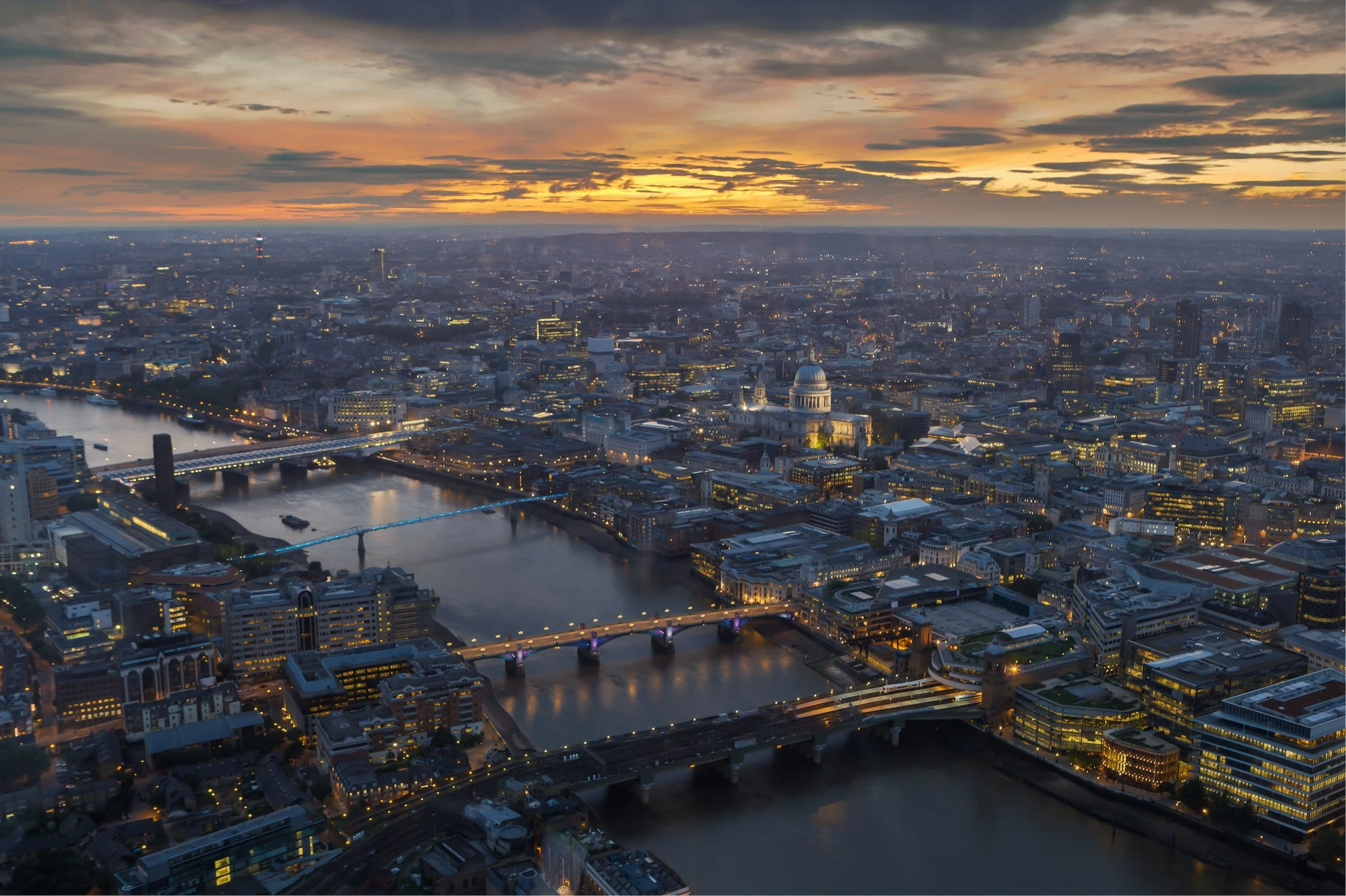
The rooms all feel slightly different from one another, which is part of the appeal. Some have bold colours and vintage-inspired fabrics, others feel more like classic London townhouses with unexpected touches scattered throughout. Nothing feels standardised, and after so many boutique hotels that seem to use the same furniture and colour palette, that's surprisingly refreshing.
One of the nicest things about staying here is the location. Clerkenwell has long been one of London's creative neighbourhoods, but it still feels more local than many parts of central London. Around Exmouth Market you'll find independent cafés, bakeries, wine bars, bookshops, and restaurants tucked between Georgian buildings and former warehouses.
If you enjoy hunting for vintage finds, you're in a great part of the city. The streets around Clerkenwell and nearby Farringdon are full of independent design stores, antique dealers, and small galleries. Columbia Road, Spitalfields, and the vintage traders around Brick Lane are all easy to reach by public transport if you want to spend a morning browsing old furniture, records, artwork, or clothing.
Back at the hotel, the cocktail lounge is exactly the sort of place you hope to find in London but rarely do. Low lighting, dark wood, vintage curiosities, and armchairs that encourage you to stay longer than intended. It feels more like a hidden drawing room than a hotel bar.
One thing I particularly like about this area is how easy it is to explore on foot. Walk towards Smithfield Market, spend some time around the historic lanes near St John's Gate, or wander through Exmouth Market before finding a café for a late breakfast. The neighbourhood reveals itself slowly, which suits the hotel perfectly.
The Zetter Townhouse won't appeal to travellers looking for sleek luxury or minimalist interiors. But if you love hotels with personality, old-world charm, and enough character that you'll still be thinking about them long after you've checked out, it's one of London's most memorable places to stay.
If you're torn between quirky city hotels and somewhere more rooted in the countryside, this quiet towns near London breakdown is a useful place to start.
Vander Urbani Resort: a retro stay right on the river in Ljubljana
One of the best things about Ljubljana is that you barely need a plan. You leave the hotel for a coffee and somehow end up wandering around for half the morning.
Vander Urbani sits right on the Ljubljanica River, so you're in the middle of things from the second you step outside. A few tables along the water are already filling up, someone is cycling across one of the bridges, and the market traders are setting up for the day.
The hotel itself feels a bit different from the historic buildings around it. There are vintage mirrors, colourful chairs, retro lamps, concrete walls, and lots of little details that stop it feeling like another boutique hotel trying to look expensive.
Most people staying here end up walking everywhere. Dragon Bridge is only a few minutes away, the Central Market is around the corner, and if you follow the river long enough you'll eventually find yourself at Triple Bridge without really trying.
One thing I always like about this part of Ljubljana is that there are so many places to stop without making a big decision about it. You spot a café, sit down for a while, then continue. Along Gallusovo Nabrežje you'll find wine bars spilling onto the pavement, little shops selling Slovenian ceramics, and people sitting outside chatting long after they've finished their drinks.
If you're in town on a Friday, it's worth wandering over to Odprta Kuhna. Local food stalls fill the market area and you'll see everything from Slovenian dumplings and grilled meats to pastries and natural wines. It feels more local than a lot of food markets that have become attractions in their own right.
The rooftop is small, which is actually part of the charm. A plunge pool, a few loungers, and views across the rooftops towards Ljubljana Castle. Nothing overcomplicated. Just somewhere nice to escape for an hour after walking around the city.
Back downstairs, the rooms feel individual rather than identical. Some overlook the river, others face the old town rooftops, but they all have the same slightly playful feel as the rest of the hotel.
What makes Vander Urbani work isn't really the rooftop or even the design. It's that you're right in the middle of one of Europe's easiest cities to enjoy on foot. Most days start with coffee by the river and somehow end there too.
And if you’re curious how this aesthetic translates in a smaller, more understated capital, ljubljana guide gives a useful point of reference before you decide where to book.
70s-inspired boutique hotels in Europe
One thing these hotels have in common is that they don't feel interchangeable.
You could walk into any one of them and know exactly where you are. A rooftop overlooking Rome, a colourful room in Lisbon, a townhouse in London filled with curious objects, or a riverside hotel in Ljubljana. They all have their own personality, which is surprisingly rare once you start looking at a lot of hotel listings.
The design is obviously part of the appeal. You'll find velvet, bold colours, vintage furniture, statement lighting, and plenty of details that nod to the 1970s without feeling like a film set. But the best ones don't rely on nostalgia alone. They're places where you'd genuinely want to spend time, whether that's reading with a coffee before heading out for the day or returning for a drink after a long afternoon exploring.
Location matters just as much. A beautiful hotel is a lot more enjoyable when you can walk out the front door and immediately find yourself somewhere interesting. That's part of what makes these places work. Most are close to neighbourhood cafés, independent shops, markets, galleries, and the parts of a city that people actually spend time in.
If you're choosing between a few different hotels, I'd pay less attention to perfectly styled photographs and more attention to the neighbourhood around them. The best hotel stays usually happen when you like the area just as much as the room itself.
These are the kinds of places that become part of the trip rather than simply somewhere to sleep.
FAQs about vintage and retro boutique hotels in Europe
What are the best vintage hotels in Europe?
Some of the most memorable vintage hotels in Europe include Hotel de la Ville in Rome, The Dean in Dublin, Hotel Majestic in Barcelona, Mama Shelter in Lisbon, The Zetter Townhouse in London, and Vander Urbani Resort in Ljubljana. What they have in common is character. They're the kind of places where the hotel becomes part of the trip rather than simply somewhere to sleep.
Which European cities have the best retro boutique hotels?
Cities with strong design scenes tend to have the most interesting retro hotels. Rome, Copenhagen, Lisbon, Barcelona, London, Dublin, and Ljubljana all have boutique properties that combine vintage-inspired interiors with great locations and distinctive local character.
Are vintage hotels in Europe worth the extra cost?
They can be. Many travellers choose vintage hotels because the experience feels more memorable than staying in a standard chain hotel. The design, atmosphere, history, and location often add something extra to the trip that goes beyond having a comfortable room.
What is the difference between a vintage hotel and a boutique hotel?
A boutique hotel refers to the size and style of the property, while a vintage hotel usually focuses on design, history, or interiors inspired by a particular period. Some hotels are both. Many of the properties in this guide combine boutique hospitality with vintage or retro-inspired design.
Which vintage hotels in Europe are best for a city break?
The Dean Dublin, Mama Shelter Lisbon, Vander Urbani Resort Ljubljana, and Hotel de la Ville Rome all work particularly well for short city breaks. Their central locations make it easy to explore on foot while still giving you somewhere interesting to return to at the end of the day.
Are retro boutique hotels usually located in city centres?
Many are. Hotels with strong design identities are often found in historic neighbourhoods, creative districts, or central areas where independent cafés, galleries, vintage shops, and restaurants are within walking distance.
Which European hotels have the most unique interiors?
The Zetter Townhouse in London and Mama Shelter Lisbon stand out for their playful, unconventional interiors, while Hotel de la Ville in Rome and Hotel Majestic Barcelona lean more towards historic glamour and vintage elegance.
How far in advance should you book boutique hotels in Europe?
For spring and summer travel, booking several months ahead usually gives you the best choice of rooms. Smaller boutique hotels often have limited availability, particularly in popular cities such as Rome, Barcelona, and Lisbon.
Are boutique hotels better than large chain hotels?
That depends on the type of trip you're planning. Boutique hotels generally offer more individuality, local character, and distinctive design, while larger chains often focus on consistency. Travellers looking for memorable stays often prefer boutique properties for that reason.
Which boutique hotels in Europe are best for design lovers?
Hotel de la Ville, Mama Shelter Lisbon, The Dean Dublin, Vander Urbani Resort, and The Zetter Townhouse are all strong choices if design is a priority. Each takes a different approach, from playful retro interiors to historic spaces filled with vintage details.